
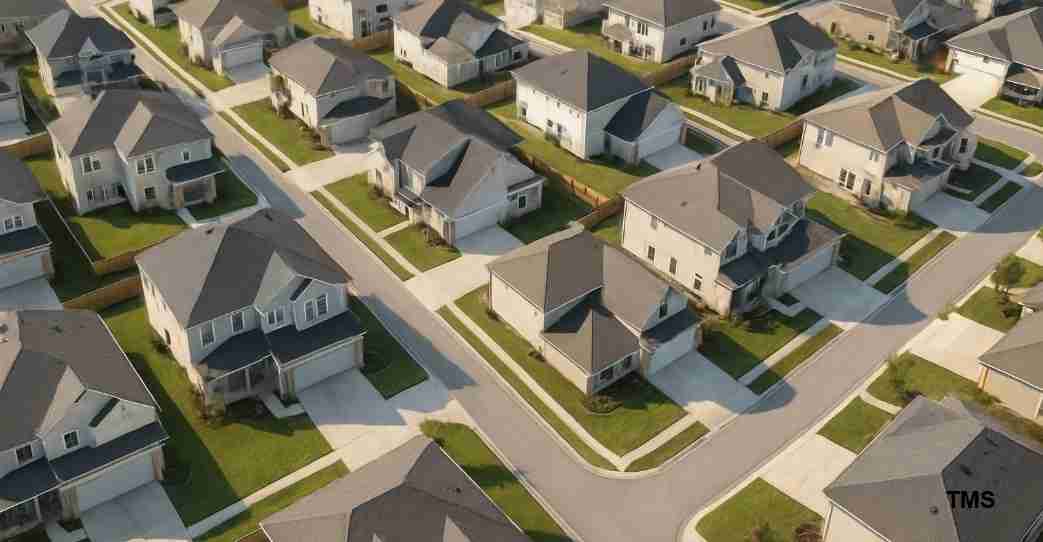
Hidden homeownership costs jump, tightening the squeeze on buyers
New data shows hidden U.S. homeownership costs have surged to more than $21,000 annually on average, driven by rising maintenance, insurance premiums and property taxes — squeezing homeowners and first‑time buyers as expenses outpace income growth.
- Average hidden costs: National totals now range roughly $16,000–$21,400 in 2025, excluding mortgage principal and interest.
- Primary drivers: Home maintenance, homeowners insurance (up ~48% since 2020) and property taxes explain most of the increase.
- Location matters: High‑cost states such as Hawaii (~$34,573) and California (~$32,806) far exceed lower‑cost states like West Virginia and Mississippi (below $15,000).
- Affordability gap: Hidden costs rose ~4.7% year‑over‑year while incomes grew ~3.8%, further squeezing budgets and first‑time buyers.
What the numbers show
Homeowners nationwide pay well beyond the mortgage statement. Recent analyses put average annual hidden homeownership costs — repairs and maintenance, homeowners insurance, property taxes and everyday bills like utilities and internet — between $16,000 and $21,400 nationally in 2025. Key studies include Bankrate, Fox Business, and National Mortgage Professional.
Main drivers: maintenance, insurance and taxes
Three categories explain the bulk of the rise:
- Maintenance: Now the largest single line item — national averages are $8,800–$10,946 per year, and substantially higher in expensive states.
- Homeowners insurance: Premiums have jumped about 48% since 2020, lifting average annual insurance costs to roughly $2,003–$2,267.
- Property taxes: Add another $3,030–$4,316 on average, with state extremes that can exceed $7,000 annually.
These trends reflect higher claims costs from natural disasters, rising repair and materials prices, and local tax revenue changes. See reporting from Fox Business and analysis from Bankrate.
Why the costs are rising
Insurance pressures: Carriers raised rates after larger claims from storms and wildfires, and because of supply‑chain and construction‑cost inflation. That dynamic helps explain the ~48% increase in insurance since 2020 (Fox Business).
Maintenance inflation: As home values and labor/parts costs rise, routine upkeep and big replacements (roofs, HVAC, plumbing) become costlier. Bankrate notes many buyers underestimate these recurring expenses.
Property tax shifts: Local revenues and reassessments tied to rising home values — and post‑pandemic budget adjustments — have pushed property tax bills upward and introduced volatility for many homeowners.
Full expense breakdown (national averages, 2025)
- Home maintenance: $8,800–$10,946 per year (Bankrate; Fox Business).
- Homeowners insurance: $2,003–$2,267 per year, up ~48% since 2020 (Fox Business; Bankrate).
- Property taxes: $3,030–$4,316 per year (Bankrate; Fox Business).
- Utilities/energy: about $4,494 per year (Bankrate).
- Internet/cable: about $1,515 per year (Bankrate).
Those line items produce national totals in the $16,000–$21,400 range. In high‑cost states totals jump: Hawaii (~$34,573) and California (~$32,806); the most affordable states like West Virginia and Mississippi fall below $15,000 (Bankrate).
How hidden costs outpace incomes
Hidden homeownership costs rose about 4.7% year‑over‑year while incomes grew roughly 3.8% in the same period. That gap tightens household budgets — especially for first‑time buyers who may qualify for a mortgage based on income but lack cash reserves for unexpected home bills (National Mortgage Professional; Bankrate).
What new homeowners miss
Surveys show common blind spots: buyers often underestimate the cost and timing of repairs, overlook HOA fees, and are surprised by property tax and insurance swings. Homeowners report spending about seven hours per week on maintenance and repairs, and over one in four find it overwhelming (American Home Shield).
Without emergency savings, homeowners may delay necessary fixes or rely on costly credit — eroding the financial benefits of ownership even when some maintenance adds value.
A local angle: state and neighborhood differences
Hidden costs vary widely by location. Coastal and high‑cost states show steeper bills (California, Hawaii) due to higher home values and energy/maintenance expenses; interior states like West Virginia and Mississippi are markedly lower (Bankrate; Fox Business).
Neighborhood factors matter: older homes, extreme‑weather exposure, and local tax policy or building codes change annual bills substantially.
Policy and market implications
Rising hidden costs could cool housing demand, delay purchases, and reduce mobility. Lenders, housing counselors and policymakers may need to incorporate typical maintenance, insurance and tax bills into affordability tests. Local governments face tradeoffs between revenue and shielding vulnerable homeowners from sudden shocks.
Implications for The World
Although U.S.‑focused, these trends carry global relevance:
- Economic signals: Rising hidden costs can cool housing demand and affect global real estate investors and banks with U.S. exposure (Bankrate).
- Insurance & climate risk: Premium spikes tied to extreme weather highlight climate‑driven household cost risks (Fox Business).
- Policy lessons: Municipal tax policy, homeowner assistance and building standards shape cost burdens — lessons relevant to European governments (National Mortgage Professional).
- Household preparedness: The U.S. experience underlines the value of emergency savings and realistic budgeting for repairs (American Home Shield).
Practical takeaways for buyers and owners
Experts recommend:
- Budget conservatively for maintenance and include a margin for surprises.
- Shop and review insurance annually to manage premium risk.
- Track local property tax trends and learn appeals processes where available.
- Build an emergency fund—it prevents debt and preserves home value.
Affordability is more than the mortgage: maintenance, property taxes and insurance now determine whether ownership is sustainable or a source of financial strain (Bankrate; Fox Business; National Mortgage Professional).
Sources and methodology
This report draws on multiple recent studies and reporting. Each used different methods (survey‑based and model‑based), producing ranges above. For details and methodology see:
