Ilhan Omar blasts Chuck Schumer for withholding endorsement of Zohran Mamdani in NYC mayoral race, challenges antisemitism claims
Representative Ilhan Omar publicly criticized Senate Minority Leader Chuck Schumer for refusing to endorse New York City mayoral nominee Zohran Mamdani, arguing Democrats should back their nominee and questioning repeated accusations of antisemitism aimed at Mamdani.
Key takeaways
- Omar called out Chuck Schumer for not endorsing Zohran Mamdani and said the stance “makes no sense.”
- She pushed back on what she described as the frequent or politicized use of antisemitism allegations against Mamdani.
- Omar noted House Minority Leader Hakeem Jeffries gave a “somewhat reluctant” endorsement, making Schumer’s refusal stand out.
- She said she would support Rep. Alexandria Ocasio-Cortez if AOC chose to challenge Schumer in the future.
What Omar said and where she said it
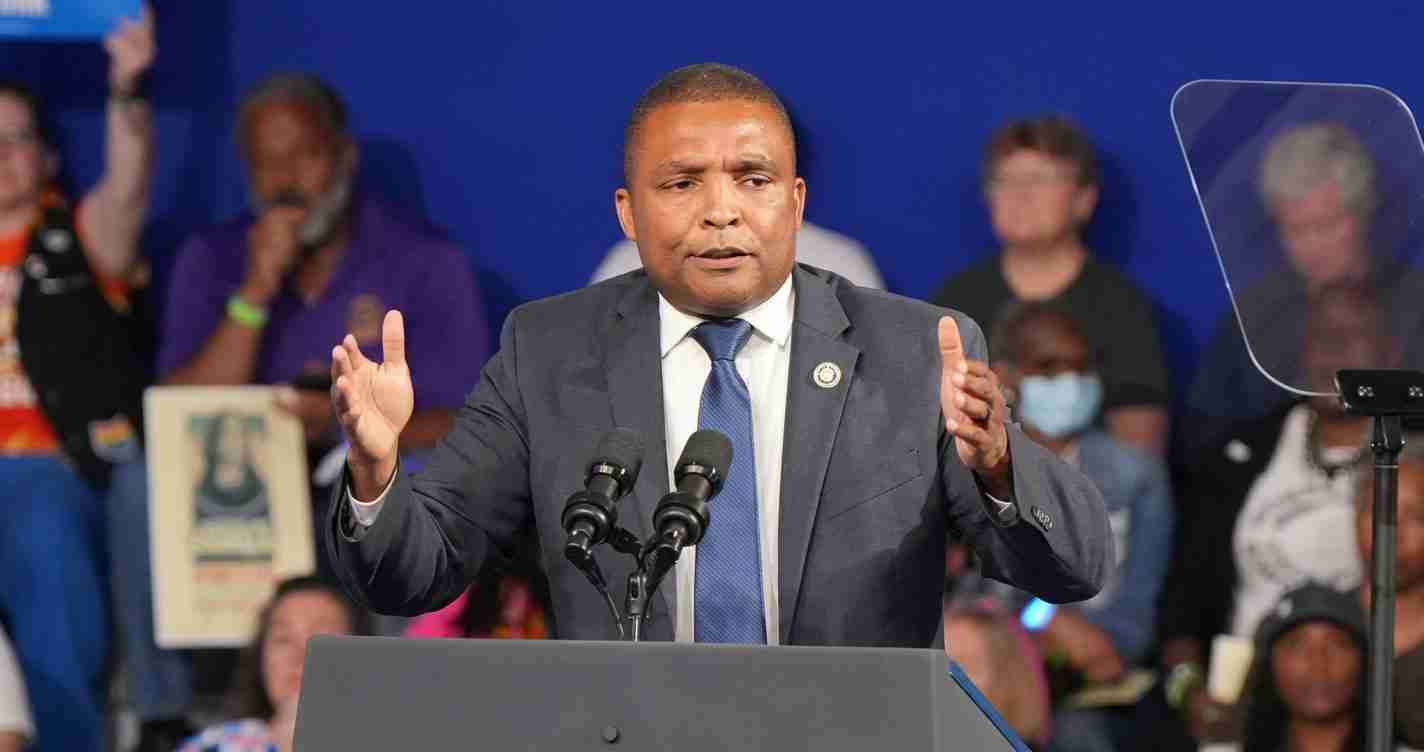
On a televised interview, Omar pressed Schumer’s decision not to endorse Mamdani and appealed to party norms. She said, “We as Democrats have always believed that, in an election, we support our party’s nominee,” adding Schumer “has pressured other Democrats to do just that, and he should be following his own advice.”
Video and transcript of the interview are available via video and transcript and the interview clip is posted to YouTube.
“We as Democrats have always believed that, in an election, we support our party’s nominee,” Omar said on air.
Antisemitism allegations and Omar’s response
The mayoral race featured controversy over accusations that Mamdani failed to immediately condemn the slogan “Globalize the intifada,” which some critics labeled antisemitic. Omar argued those charges have been applied repeatedly and broadly, saying:
“Everything he does or says seems to be called antisemitic.” She emphasized Mamdani’s diverse support, noting he “has got a huge coalition of Jewish voters that are supporting him. He’s got a huge coalition of Muslims of every sect.”
Reporting on these exchanges is summarized in reporting and the interview clip at Fox News.
Religious identity and political calculation
Omar raised concerns that Schumer’s reluctance could intersect with broader issues of religious bias and rising anti-Muslim attacks nationwide. She urged national leaders to consider the large Muslim community in New York and framed endorsement decisions as signals about safety and inclusion for Muslim Americans.
Party unity and the norms of endorsements
Omar appealed to a core party norm: support your party’s nominee. She argued endorsements from national leaders provide strategic and symbolic unity in local races and said Schumer’s silence risks amplifying internal divisions and voter confusion.
She contrasted Schumer’s position with House Minority Leader Hakeem Jeffries’ “somewhat reluctant” endorsement, noting the tightrope national figures face when balancing controversies with party unity.
Omar on Alexandria Ocasio-Cortez and future challenges
When asked whether she would support Rep. Alexandria Ocasio-Cortez if AOC challenged Schumer for his Senate seat, Omar said, “I would like Alex to do whatever it is that Alex wants, and I’ll be there to support her.” The remark underscores divides within the Democratic coalition between establishment and progressive leaders.
Sources and media context
Coverage and video of the exchange are available from multiple outlets. Primary items include:
- Fox News coverage and video clip
- Video of the interview on YouTube
- Meaww coverage summarizing Omar’s remarks
Implications for The World
Political signaling and democratic norms: Omar’s rebuke highlights how national leaders’ endorsements influence perceptions of party unity and democratic norms in local contests.
Religious and community relations: The episode demonstrates how endorsement choices can affect perceptions of inclusion for Jewish and Muslim communities in New York and beyond.
Media framing and global flows: The story’s spread across outlets with differing slants shows how local U.S. politics become global talking points; access to full clips and transcripts helps outside observers judge context (video and transcript, YouTube clip).
Election strategy and local governance: National leaders stepping back from local endorsements could reshape campaign coalitions and voter mobilization in major cities.
Diplomatic and cultural resonance: Who holds City Hall matters internationally; signals from national figures can affect how foreign actors view New York’s priorities and stability.