Vulnerable North Carolina Democrat Draws Fire for More Than $40,000 in Taxpayer-Funded Office Furniture
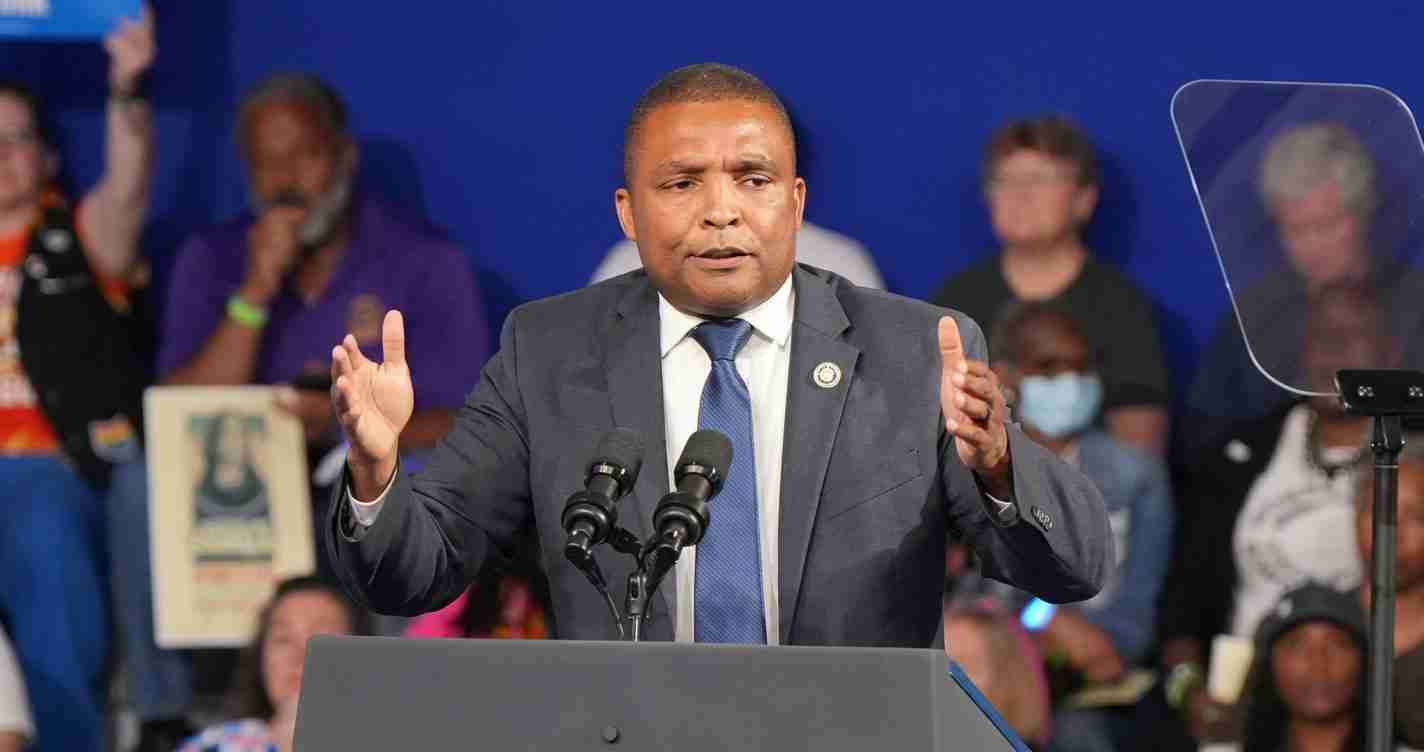
Rep. Don Davis (D-N.C.) reportedly spent just over $40,000 on district office furniture and refurbishment in 2023, a sum Republicans now highlight as part of a broader criticism of his stewardship of taxpayer funds in North Carolina’s 1st District.
- Records show more than $40,000 in combined House categories for habitation and furniture in Q2 2023, placing Davis near the top of House spenders for that reporting period.
- Davis says the costs reflect startup and redistricting‑related expansion, plus rising prices after his first election.
- Opponents and GOP groups are using the expenditures alongside other line items to frame a narrative of poor fiscal stewardship.
- Key details missing: no publicly available itemized invoice showing how purchases were coded or priced.
What the records and reporting say
Disclosure filings and press reports indicate Davis’s office logged $27,300 under a House category labeled “habitation expenses” and $13,030 under “office supplies and furniture” in the second quarter of 2023 — a combined total just over $40,000. Public coverage places him near the top among House members on that spending measure for the period, according to Fox News Digital and an AOL news summary.
Reporting states the payments were made to a furniture and interior‑design firm, Taff Office, for refurbishing a district office. The same coverage says Davis ranked second among the 435 House members for spending in the habitation category in that period (Fox News Digital).
Davis’s explanation: redistricting, start‑up costs and rising prices
Davis has defended the expenditures as legitimate start‑up and expansion costs. He told reporters his staff “had to start from scratch” after his first election and later expanded offices after redistricting. He also cited the wider effect of rising prices on procurement (Fox News Digital).
“Upon my first election to Congress, we immediately set to work establishing our congressional office within the new district, starting from scratch with no furniture and limited supplies. After subsequent redistricting, we expanded our offices to serve our constituents better. These expenses underscore not only the rising costs we are facing nationwide but also the financial impact of redistricting.”
How the rules are described and why categorization matters
House administrative guidance distinguishes small décor items from larger furniture purchases. The “habitation expenses” category is intended for minor décor and items costing less than $500 each (chairs, lamps, etc.). Items costing more than $500 but less than $25,000 should be reported under the “furniture and fixtures < $25,000” code. Critics argue the amounts and category choices in Davis’s filings raise questions about whether purchases were coded correctly (Fox News Digital; AOL).
How opponents are using the spending in the campaign
Republican groups and state party officials have seized on the furniture and refurbishment spending as a central attack line in the NC‑01 contest. The Congressional Leadership Fund (CLF), a GOP‑aligned super PAC, called the spending “out of touch” and tied it to other reported disbursements they say show poor stewardship of public funds (Fox News Digital; NC GOP social post).
Among other reported expenditures cited by critics are roughly $2,300 on ride‑share trips and nearly $10,000 for a 2024 trip to the U.S. southern border that included about $7,000 in airfare, totals taken from public disbursement reports and press coverage referenced by opponents (Fox News Digital).
Comparisons and political framing
Opponents compare Davis’s one‑year totals to long‑term figures for some Republicans. For example, a Fox News Digital review of an opposition research file once compiled by the DCCC on Rep. Steve Chabot found Chabot’s habitation spending totaled less than $7,000 between 2011 and 2022 — a contrast critics use to underscore how large Davis’s 2023 totals appear in a single year (Fox News Digital).
Context matters: observers note there is no comprehensive public table in reporting that shows how common front‑loaded setup costs are for newly elected members who inherit empty or relocated offices after redistricting. The finding that Davis ranked second in the House on habitation spending for the reporting period is public, but broader multi‑year context is limited in partisan coverage (AOL).
Other spending controversies cited as part of the narrative
Fox News cites a Center Square story alleging that during Davis’s time in state office he accepted approximately $4,500 in per diems over 19 days when he did not participate in recorded votes — an item critics frame as exploiting allowances meant for travel and lodging (see reporting via Fox News Digital).
The CLF and party critics pair that reporting with ride‑share and border trip totals to argue a pattern of questionable spending. Defenders note such travel can be legitimate oversight, but the totals are likely to be used in campaign ads in a district where many voters face economic strain.
District profile and electoral stakes
North Carolina’s 1st Congressional District covers much of the state’s northeast, including rural counties with high poverty rates and some outer suburban parts of the Research Triangle. That mix of economic distress and changing boundaries makes fiscal stories politically potent (Ballotpedia; Wikipedia).
Davis first won the seat in 2022 and is seen as vulnerable heading into the next general election. He will face Republican Laurie Buckhout, a retired Army colonel. Republicans are expected to use these spending stories in advertising to contrast fiscal discipline and stewardship (Ballotpedia; AOL report).
What remains unclear and what to watch next
Public reporting lists totals and vendor names but does not include a full itemized invoice breaking down each purchase, price and budget code. That level of detail would clarify whether specific pieces were mis‑categorized under “habitation” or correctly reported as allowable furniture purchases (Fox News Digital).
No public record currently shows a formal House ethics finding against Davis for these 2023 expenditures; the matter remains a political controversy and an ethics question raised by opponents rather than a documented rules violation in public reporting.
Journalists and watchdogs may next seek detailed House disbursement line items for Davis’s office, compare similar startup spending by other freshmen in redistricted seats, and request a response from the Davis campaign with invoices. Public campaign and FEC filings will be watched for advertising and fundraising dynamics (FEC races data; fundraising snapshot).
Implications for the World
Economic optics: stories about elected officials spending taxpayer money on office furniture can feed broader questions about public‑sector accountability and transparency. For international observers, the episode highlights how routine office costs can become a political flashpoint amid rising prices (Fox News Digital).
Political consequences: spending controversies are a common campaign theme globally; opponents use public records to frame narratives about fiscal responsibility, affecting party fortunes and local trust in institutions (Ballotpedia).
Social and cultural effects: in poorer rural areas, perceived misuse of funds may deepen frustration with politics. Different countries have varied standards for acceptable use of public funds; here the debate centers on technical categorization and timing — whether costs were legitimate startup expenses tied to redistricting or avoidable luxury.
Reporting and data sources
- Fox News Digital
- AOL news summary
- Ballotpedia – district background
- NC GOP social post
- Altasworldnews post
- FEC races data and fundraising snapshot
Key figures and records to watch
Watch for: detailed House disbursement line items for Davis’s office; any campaign response providing itemized invoices and codes; how the Buckhout campaign and GOP groups incorporate these allegations into advertising; and watchdog comparisons of startup spending for freshmen in redistricted seats.