PHRYGIA, TURKEY, Sept. 10 (World Daily Times) — A study of nine inscriptions from Akmoneia, an ancient city in Phrygia in modern-day western Turkey, is adding new evidence about religious practice during the first through third centuries A.D.—the period when Christianity was beginning to spread through parts of the Roman world.
The inscriptions, analyzed in a study published in Gephyra, include references to Demeter Karpophoros, a goddess associated with fertility and harvests; a torch-bearing statue commissioned by a benefactor named Demades; and Mandana, identified as the city’s high priestess. The research was led by Hüseyin Uzunoğlu of Akdeniz University and Münteha Dinç of Uşak University.
What do the inscriptions show?
One inscription concerns a statue of Demeter Karpophoros. The study presents it as the first epigraphic, or inscription-based, evidence identified in the research for the presence of her cult in Phrygia.
That finding matters because Phrygia was an important agricultural region, yet the supplied evidence had not previously provided written proof that the cult was practiced there. The inscription therefore helps expand the known map of ancient religious traditions.
Another inscription records that Demades commissioned a statue holding a torch. The researchers’ interpretation, as reported in coverage of the study, is that the statue may have been connected with lighting Akmoneia’s colonnaded main street at night. The inscription offers a glimpse of how religious dedications could also be tied to civic life and the appearance of a city.
A third example honors Mandana as the city’s high priestess. A monument to her was erected by her husband, Priscus, according to the inscription’s reported interpretation. The reference provides evidence of an organized religious office and identifies a woman serving in a prominent position within the city’s religious life.
The study’s findings concern nine inscriptions, but the supplied research does not establish that every inscription directly describes cult activity. It also does not provide the complete texts, archaeological contexts or current locations of all nine pieces.
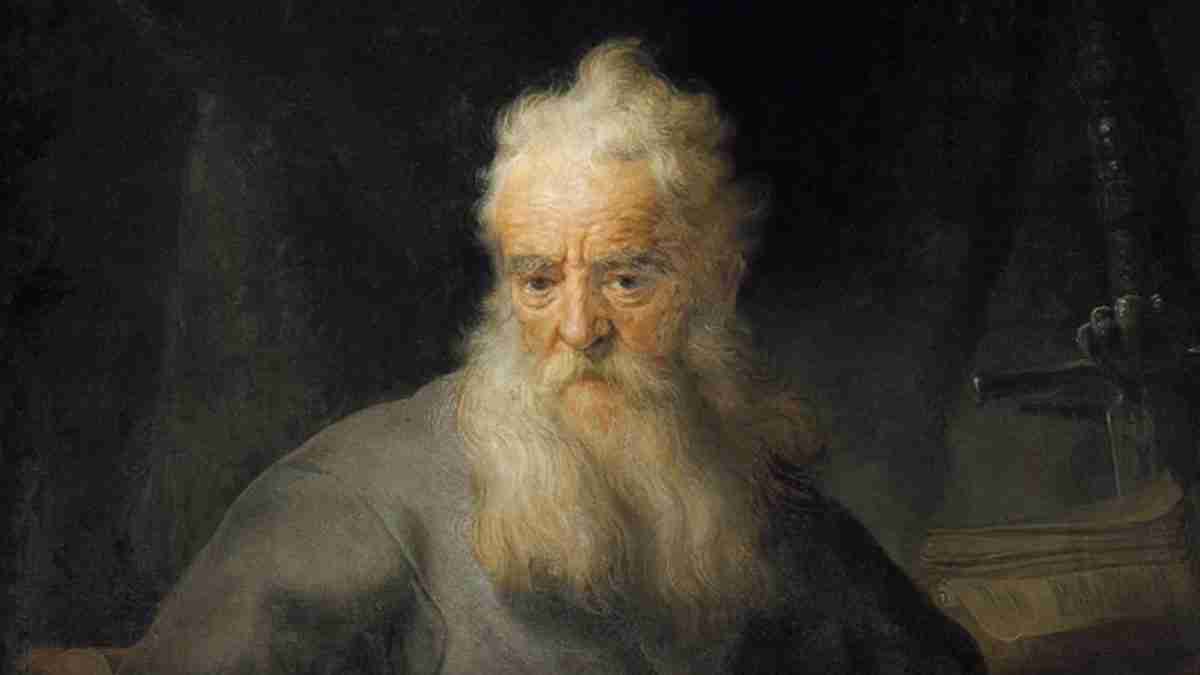
How does Apostle Paul fit into the story?
Akmoneia was in Phrygia, a region associated with routes and communities connected to the early spread of Christianity. The inscriptions date from the first through third centuries A.D., placing them within a period when traditional local and Greco-Roman religious practices continued while Christianity was emerging.
The available evidence does not establish that Paul personally visited Akmoneia. Nor do the inscriptions directly refer to Christianity. Their importance is instead historical: They document the religious environment that existed in the region before, during and after Christianity began taking root.
That distinction is important. The inscriptions do not describe a conflict between a named Christian community and the cults represented at Akmoneia. They show that religious practice in the region was varied and included deities, priestly roles, public monuments and civic benefaction.
Why does the evidence matter?
Ancient inscriptions can preserve details that are missing from literary accounts. Names, titles, dedications and descriptions of monuments can reveal which deities were honored, who held religious authority and how worship was connected to public spaces.
For Uzunoğlu and Dinç, the Akmoneia inscriptions fill a gap in the evidence for ancient religious practice in Phrygia. They also provide a more detailed picture of the setting in which Christianity later developed in the region—not as a replacement shown by these inscriptions, but as one tradition emerging within a landscape that already contained established religious institutions and customs.