
Chicago on the Brink: $1.15 Billion Budget Deficit 2026 Deepens as Mayor Brandon Johnson and City Council Clash
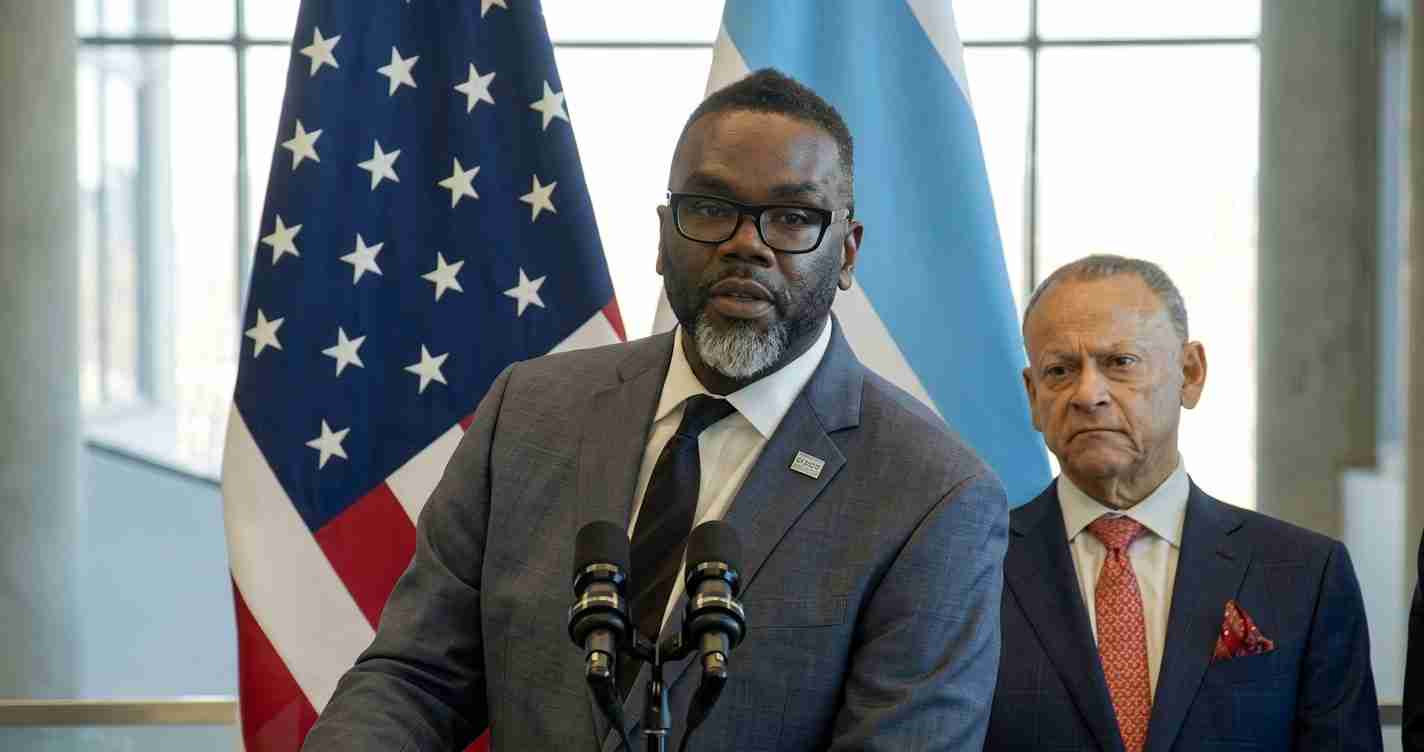
Chicago faces a projected $1.15 billion corporate fund gap in FY2026, triggering a political standoff after Mayor Brandon Johnson’s $16.6 billion spending plan failed to advance, imperiling services and risking a municipal funding crisis.
- Baseline shortfall: About $1.15–$1.2 billion in the corporate fund for FY2026.
- City finances: FY2025 closed with roughly $150 million deficit; nearly 40% of the budget goes to debt service and pensions.
- Political split: Mayor’s revenue proposals (head tax, social media user fee, video gambling expansion) were rejected by City Council, setting up a possible veto fight.
- Market impact: A February 2026 credit downgrade widened borrowing spreads and increased long-term costs for taxpayers.
Budget shortfall: scale and drivers
Chicago’s corporate fund — which pays for police, sanitation, public health and other day‑to‑day services — faces a baseline gap of about $1.15 billion for fiscal year 2026, according to an analysis by the Illinois Policy Institute: Chicago Forward 2026. That follows a roughly $150 million deficit in FY2025, and officials note nearly two‑fifths of the city’s budget is already consumed by debt and pension payments.
Analysts warn the issue is structural. A recent state pension “sweetener” could add roughly $11.1 billion in obligations by 2055, a change city officials say materially increases long‑term liabilities and pressure on operating funds.
Mayor Johnson’s plan and the City Council rejection
Mayor Brandon Johnson characterized the challenge as a revenue challenge, proposing a $16.6 billion FY2026 spending package intended to erase a reported $1.19 billion shortfall by preserving ARPA programs, shifting costs to the corporate fund and pursuing new revenue options. Details of the mayor’s approach were reported by WTTW.
City Council members rejected the mayor’s package and advanced their own plan, turning down contested revenue measures including a $33-per-employee head tax, a $0.50-per-user social media fee (projected to raise about $31 million), expansion of legalized video gambling and higher bag fees — coverage by Fox News and Illinois Answers summarizes the dispute.
“The city is at a crossroads that requires doing more with less,” the mayor argued; aldermen faulted the plan’s assumptions and some called council alternatives “workable,” while progressive allies labeled cuts to services “immoral.”
Markets, credit ratings and investor concerns
Investors responded: Chicago experienced a credit downgrade in February 2026 tied in part to mayor‑council infighting and growing structural deficits, a development that widened spreads on city debt and raises borrowing costs for years. Local analysts point to the use of one‑time federal COVID relief for ongoing expenses and borrowing structures that delay principal payments as key investor concerns.
A video summary of the downgrade and market reaction is available via credit downgrade coverage.
Historic deals and recent borrowing choices
Critics highlight historic decisions that reduced future revenue flexibility, notably the 2008 75‑year parking meter lease that shifted a long‑term revenue stream to private operators. More recently, the Johnson administration sold an $830 million bond that delays principal payments for 20 years, a move some compare to past one‑off deals and say perpetuates a “pay later” financing culture.
Program priorities, ARPA transitions and political stakes
Johnson defended spending choices as efforts to protect programs he calls essential: mental health outreach, youth employment, homelessness services, domestic violence support, CARE crisis response teams and One Summer Chicago. Many of these were initially funded with American Rescue Plan Act (ARPA) dollars and could shift into the corporate fund if federal funds expire.
Council members requested additional data on long‑term costs and performance metrics for nonprofit providers before agreeing to move millions from ARPA into recurring city budgets, a central point of contention reported by Illinois Answers.
Implications beyond Chicago
Economic: As the nation’s third‑largest city and a global business hub, Chicago’s fiscal stress can increase borrowing costs and ripple into state, national and international markets.
Political: The standoff underscores how local politics can stall budgets, trigger downgrades and shape voter views on fiscal management.
Social & cultural: Potential cuts threaten public safety, mental health and homelessness programs and could impact cultural institutions and tourism. Humanitarian groups and regional service providers face funding uncertainty.
Practical lessons: Cities should avoid relying on one‑time relief for permanent programs, plan for ARPA‑like sunsets, pursue pension reform, adopt clearer debt rules and demand transparent, data‑driven transitions.
Sources and further reading
- Illinois Policy Institute report: Chicago Forward 2026
- WTTW: Mayor Brandon Johnson’s 2026 spending plan fails to advance
- Illinois Answers: Chicago Mayor Brandon Johnson, council clash over city budget
- Fox News: Brandon Johnson’s progressive tax push puts Chicago on brink of rare shutdown
- Credit downgrade coverage (video)


