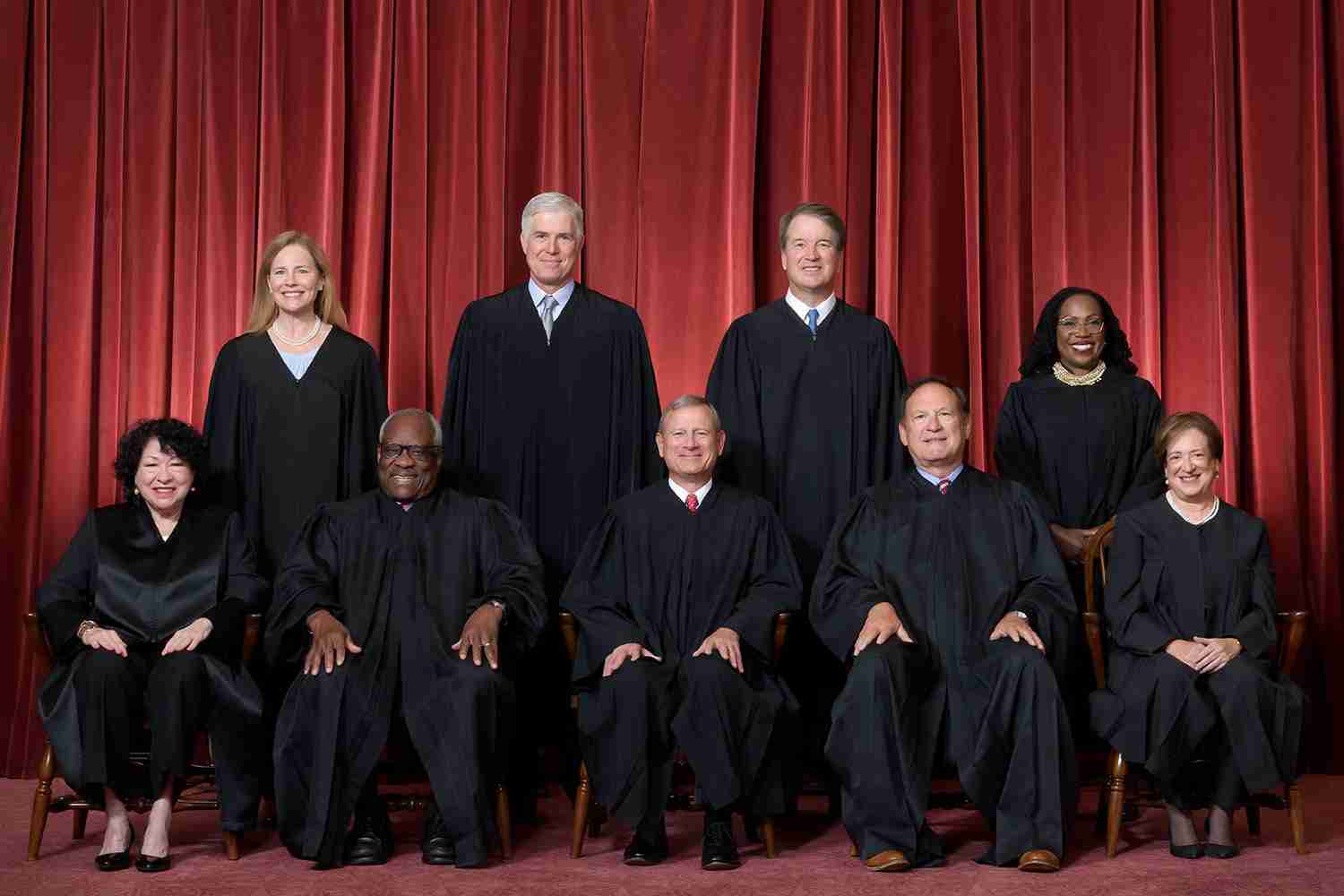
Supreme Court blocks Trump National Guard Illinois deployment, curbs presidential power
The Supreme Court refused President Trump’s emergency request to federalize about 300 Illinois National Guard members, upholding lower-court orders that block the deployment and signaling limits on presidential authority over domestic military use and precedent.
- Emergency relief denied: The Supreme Court left a temporary restraining order in place, preventing the federalization of roughly 300 Illinois Guard members. Supreme Court order
- Vote split: The decision was 6–3 with Justices Alito, Thomas and Gorsuch dissenting, underscoring a sharp ideological divide. Supreme Court order
- Core legal issue: Whether 10 U.S.C. §12406 permits presidential federalization of state National Guard troops for domestic law‑enforcement duties. Supreme Court order
Key information — Trump v. Illinois and the emergency application
Case: Trump v. Illinois, No. 25A443. See the Supreme Court order.
Date of federalization order: Oct. 4, 2025. President Trump ordered roughly 300 members of the Illinois National Guard into federal service under 10 U.S.C. §12406(3) to “protect federal personnel and property,” especially in Chicago. See the Supreme Court order.
Litigation path: A temporary restraining order (TRO) from U.S. District Judge April Perry blocked the federalization; the Seventh Circuit denied a stay; the administration sought emergency relief from the Supreme Court. See the District and appeals rulings.
Supreme Court action: The Court denied the emergency stay, leaving the TRO in place and effectively blocking the deployment for now. The Court acted more than two months after the initial order. See the Supreme Court order.
Vote and dissents: The ruling was 6–3. Justices Samuel Alito, Clarence Thomas and Neil Gorsuch publicly dissented. See the Supreme Court order.
How the case reached the high court
On Oct. 4 the White House announced it was federalizing about 300 Illinois Guard members under 10 U.S.C. §12406, a statute permitting the President to call up state troops when “regular forces cannot enforce federal law.” The federalization also included members of the Texas National Guard sent to Chicago the next day. See the Supreme Court order.
Illinois sued. Judge April Perry of the U.S. District Court for the Northern District of Illinois issued a TRO on Oct. 5, finding the government had not shown a lawful basis to federalize state Guard units under the cited statute. The Seventh Circuit refused to lift that TRO, and the government asked the Supreme Court for emergency relief. See the District ruling and appeals.
The Supreme Court’s decision and reasoning
The Court declined the administration’s emergency application and left the lower courts’ rulings intact. The majority emphasized that using the military to “execute the laws” inside a U.S. state is an exceptional step and said the government had “failed to identify a source of authority” permitting this federalization in Illinois. See the Supreme Court order and statements from civil‑liberties groups such as the ACLU.
The high court’s order did not include a full written opinion resolving the merits, but the denial of emergency relief functionally affirmed the lower courts’ decision to pause the deployment while legal questions are sorted. Civil‑liberties groups noted the Court’s language calling domestic military deployment “exceptional.” See ACLU‑Illinois.
Dissent and split among the justices
Three justices — Alito, Thomas and Gorsuch — dissented from the denial of relief. In separate writings they argued the Court should have allowed the federalization while the case proceeds. Their dissents did not change the practical outcome: the Guard remains blocked under the TRO. See the Supreme Court order.
Reactions from officials and groups
Governor reaction: Illinois Governor J. B. Pritzker praised the decision, saying the Court correctly found Trump “did not have the authority to deploy the federalized guard in Illinois,” calling it a “victory for the rule of law and for states’ rights.” See the Governor’s statement.
Civil‑liberties groups: Organizations such as the ACLU framed the federalization as pretextual, arguing the administration manufactured a security rationale to assert federal power over a Democratic‑led state. The ACLU hailed the Court’s refusal, saying the decision protects communities from military involvement in domestic policing. See the ACLU and ACLU‑Illinois.
Commentators noted the decision was a rare emergency‑docket setback for President Trump and that the Court’s unusually long consideration — more than two months — was notable for an urgent application. See the Supreme Court order.
The legal question at the center — presidential power, the National Guard and §12406
Central to the dispute is how far the President can go under 10 U.S.C. §12406 to federalize state National Guard units for duties that overlap with domestic law enforcement. The statute permits federalization when the President is “unable with the regular forces to execute the laws of the United States.” The courts will decide how to interpret that high bar. See the Supreme Court order.
The district court and the Seventh Circuit expressed skepticism of the government’s claim, finding the administration had not shown a clear statutory or constitutional basis to bypass state control and place Guard troops under federal command for duties in a state that opposed the move. See the Court record.
Implications for The World
Political impact: The ruling reaffirms limits on executive power in a major democracy and signals to other nations that courts can check presidents who seek to use the military for domestic political ends. See the Supreme Court order.
Legal precedent: Though an emergency order, it narrows how readily a national leader can federalize state forces without clear statutory grounding; other jurisdictions may cite this as an example of judicial restraint against executive overreach. See the ACLU.
Local democracy and governance: The decision preserves a degree of state control over the Guard and prevents sudden federal intrusions into local policing and public order, offering reassurance to cities and regional governments resisting central pressure. See the Governor’s statement.
Civil liberties and policing: The ruling limits the prospect of routine military involvement in crowd control and law enforcement, a key concern for human‑rights groups and protesters globally. See ACLU‑Illinois.
Economic and practical effects: Immediate deployment costs were modest, but reputational effects can be larger; clear legal limits reduce political risk for businesses and reassure residents that local police — not federal troops — will lead everyday public safety absent a lawful federal framework. See the Court record.
What comes next
With the TRO still in place, the legal fight will continue in the lower courts unless the government abandons the deployment or Congress clarifies the law. The underlying questions about §12406 and the scope of presidential authority to federalize the National Guard are likely to return to federal courts.
“Civil‑liberties groups, state officials and the federal government have set clear and opposing stakes as they prepare for further litigation.”
Stakeholders on both sides are preparing for extended litigation; watchers should expect further filings, evidentiary records, and possible clarifying opinions from appellate courts. See the Supreme Court order and related statements from the ACLU.