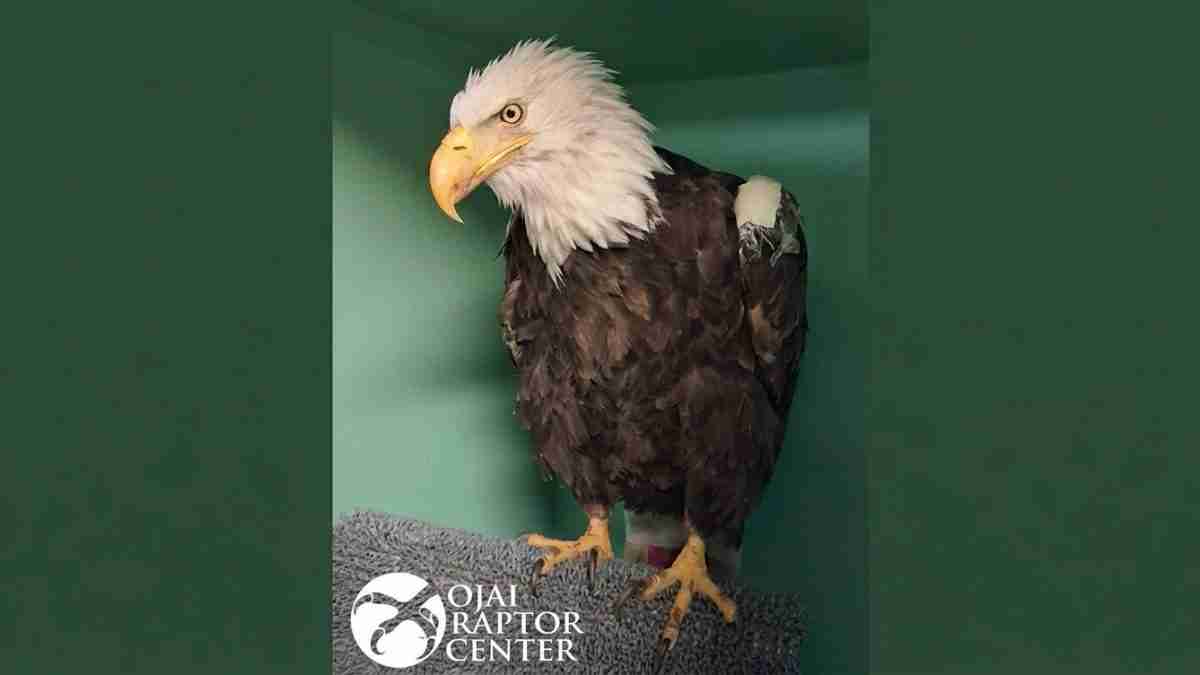
BIG BEAR LAKE, Calif., Oct. 16 (Nationwide Times) — Bird flu caused the illness that led to the death of Jackie, the bald eagle from California’s Big Bear Valley whose nest drew a worldwide online audience, according to findings released Oct. 14, 2026, by the California Department of Fish and Wildlife and its partners.
The investigation found an uncommon form of the infection: severe damage to Jackie’s stomach, followed by persistent internal bleeding and other life-threatening complications. Testing identified highly pathogenic avian influenza, or HPAI, as the primary underlying cause of her decline.
Jackie died Aug. 10 while receiving care at Ojai Raptor Center in Ojai, California, the Los Angeles Times reported.
What did bird flu do to Jackie?
The virus triggered a chain of serious health problems, according to Steve Kubiski, director of disease investigations at the San Diego Zoo Wildlife Alliance.
“In an uncommon presentation of the virus, the infection caused a severe ulcer in her stomach that led to persistent internal bleeding, anemia, and the development of bacterial sepsis,” Kubiski said.
An ulcer is an open sore. Anemia means the blood has too few healthy red blood cells, which carry oxygen. Sepsis is a dangerous response to infection.
Damaged tissue allowed bacteria to enter Jackie’s body, according to the wildlife department’s account of the examination. Pathologists also found severe inflammation and blood clots in her heart and several major blood vessels.
Follow-up testing detected genetic material from the bird flu virus in several tissues, including the ulcerated tissue in her ventriculus, a part of a bird’s stomach.
How was the cause established?
The findings came from a necropsy — an examination of an animal after death — and laboratory tests involving several institutions.
Veterinary pathologists at the San Diego Zoo Wildlife Alliance performed the necropsy on Jackie, designated Patient 26-519. The California Animal Health and Food Safety Laboratory at UC Davis conducted toxicology tests, which look for poisons, and additional PCR testing for HPAI. PCR tests detect genetic material from a pathogen.
The U.S. Department of Agriculture’s National Veterinary Services Laboratory system made the final HPAI confirmation, according to the California wildlife department. The department released the findings with the alliance and Ojai Raptor Center.
Was rat poison involved?
Toxicology testing detected brodifacoum, a rodent poison, in Jackie’s liver, according to the wildlife department. But the examination did not find the uncontrolled bleeding typically associated with poisoning from anticoagulant rodenticides, which interfere with blood clotting.
The department did not identify brodifacoum as the primary cause of her illness or death. Testing also ruled out West Nile virus and harmful levels of heavy metals as contributing factors.
What care did she receive?
Jackie received more than three weeks of intensive care, SFGate reported. AccuWeather reported that her treatment included intensive monitoring.
Her patient FAQ, hosted by the California wildlife department, identifies treatments including a blood transfusion, oxygen therapy, intensive fluid therapy and anti-parasitic medications.
How can eagles encounter bird flu?
HPAI primarily affects birds and has circulated among wild birds throughout the United States, according to the wildlife department. Waterfowl and shorebirds are natural hosts of avian influenza viruses.
Eagles and other raptors — birds of prey — can be exposed through contact with infected birds or by eating infected prey, the department said.
To prevent transmission of bird flu, Jackie’s remains were cremated by the U.S. Fish and Wildlife Service’s National Eagle Repository, according to the California wildlife department.
Why was Jackie so widely known?
For more than a decade, viewers followed Jackie and her mate, Shadow, as they tended their nest near Big Bear Lake in the San Bernardino Mountains, the Associated Press reported.
The online video feed was run by Friends of Big Bear Valley and attracted millions of viewers worldwide, according to AccuWeather. Shadow remains in Big Bear, the California wildlife department said.