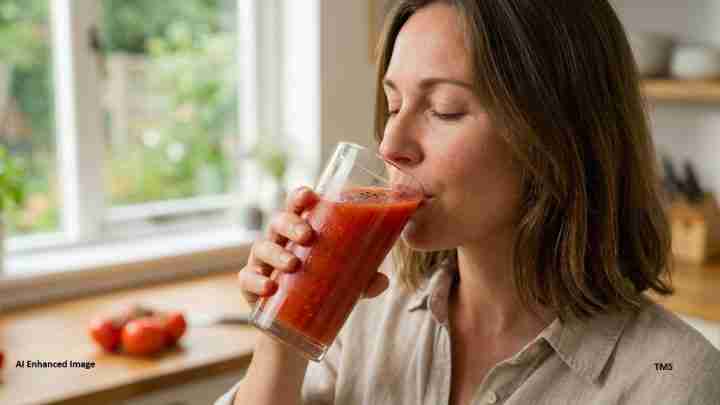
Dry January’s payoff: How a month off alcohol can reset sleep, weight and long-term health
Considering Dry January? This campaign asks people to abstain from alcohol for one month to reset habits and health, often producing better sleep, weight loss, lower blood pressure and improved mood—plus reduced long-term disease risk.
Key takeaways
- Short-term wins: One month can yield ~2 kg weight loss, deeper REM sleep, and lower blood pressure.
- Long-term benefit: Reducing alcohol intake lowers risks linked to cancers, heart disease and metabolic problems.
- Practical tools: Swap drinks, hydrate, increase activity and track sleep/weight to stay motivated.
- Limits: Dry January is a starting point — seek medical advice for heavy dependence and follow year-round low-risk guidance.
Key information
Dry January encourages people to stop drinking alcohol for the first month of the year to “reset” habits and health. See resources from UC Davis, BBC Good Food and Brown University.
Short-term gains after one month include about 2 kg weight loss, better sleep with more REM cycles, lower blood pressure and improved mood (sources: UC Davis, UT Southwestern, BBC Good Food).
Long-term alcohol harms include links to cancers, heart disease, metabolic problems and disruptions to the gut microbiome and mitochondria; reducing intake can lower these risks over years (see UC Davis, South Shore Health).
Practical tips: swap nutrient-rich drinks, hydrate, increase activity and track sleep and weight to stay motivated (guidance from UC Davis, UT Southwestern, Brown University).
What is Dry January and why it has traction
Dry January began as a public health challenge: stop drinking for 31 days to give the body a break after holiday excess.
The aim is not only to see the impact of a month of abstinence but to create space to form better habits. Campaigns and public health teams promote it as a low-cost, low-risk way to test how life feels without alcohol and to learn whether cutting back is sustainable (BBC Good Food, Brown University).
Short-term benefits many participants report
People who stop drinking for a month often see measurable changes. Multiple health summaries and clinical write-ups point to clear short-term wins:
- Weight loss: Cutting out alcohol removes “empty” calories and can improve insulin sensitivity. Average weight loss reported across programs is around 2 kg (about 4–5 pounds) after one month (UC Davis, BBC Good Food).
- Improved sleep: Alcohol helps people fall asleep but later fragments sleep and reduces REM cycles — the deep restorative sleep when the brain and immune system clear the day’s buildup. People report deeper, more consistent sleep once they stop drinking (UT Southwestern, Brown University, South Shore Health).
- Lower blood pressure and heart strain: Short-term abstinence can reduce blood pressure by roughly 5% and lower heart rate, easing strain on blood vessels (UC Davis, BBC Good Food).
- Better mood and cognition: Many participants experience improved concentration, less anxiety and better energy levels, likely from reduced brain inflammation and more stable neurotransmitter signaling (UT Southwestern, Brown University).
Long-term risks tied to alcohol and how reduction helps
Alcohol — specifically ethanol — is linked to many long-term harms. Health reviews note links between drinking and over 200 diseases, including at least six cancers, high blood pressure, heart disease, digestive problems and metabolic dysfunction. Some cancer risks appear even at low levels of drinking (less than one drink per day for some cancers) (UC Davis, BBC Good Food).
A 2024 report cited in clinical summaries connected higher levels of alcohol intake with factors that can speed cancer growth. Studies tracking people who quit or cut drinking found that lowering intake over two years was associated with reduced cancer risk markers (UC Davis).
Alcohol can also disturb the gut microbiome and damage mitochondria, small structures inside cells that power tissues. These effects may explain links to metabolic disease and poorer recovery from illness (UC Davis, South Shore Health).
What the studies show
Clinical trials and analyses back many of the reported gains. Controlled trials and larger analyses found that moderate-to-heavy drinkers who abstained for a month saw clear improvements in liver fat, blood pressure and other markers. People who simply reduced their drinking also saw partial benefits. Longer-term follow-up studies show that short abstinence periods can nudge long-term behavior: around half of participants in some programs drank less harmfully six to eight months later (BBC Good Food, UT Southwestern, Brown University).
Expert caution: Dry January is a starting point, not a cure. Public health guidance still recommends year-round low-risk limits — for example, under one standard drink per day for women and under two for men — and cautions about rebound overdrinking after the month ends (BBC Good Food).
Expert perspective on sleep and immune recovery
Authorities who study diet and sleep point to alcohol’s complex sleep effects. Dr. Mark Hyman and other commentators note that alcohol suppresses REM sleep and interrupts the body’s nightly cleanup by the immune system. That interruption may blunt recovery from daily stress and reduce the effectiveness of immune “housekeeping.” More consistent REM sleep after abstinence likely contributes to reported boosts in energy and mood (South Shore Health, Brown University).
Practical tips for a successful Dry January
- Replace drinks: Use nutrient-rich alternatives such as water infused with fruit, herbal teas and vegetable-based juices to add fiber and antioxidants.
- Hydrate: Drinking more water helps reduce cravings and counters alcohol-related dehydration (UT Southwestern).
- Swap habits: Choose physical activity, walks or social activities that do not center on drinking to build new patterns (UT Southwestern).
- Track progress: Log sleep, mood and weight. Small, visible wins keep people motivated (Brown University).
- Medical caution: If you have heavy dependence or medical concerns, seek medical advice before stopping suddenly; supervised programs may be needed (MD Anderson).
Implications for the World
Dry January has ripple effects beyond individual health—local economies, policy and social norms can all be affected.
Economic impact
Local and national economies may see small, short-term drops in alcohol sales during January, affecting bars, restaurants and retail. Some businesses counteract this with alcohol-free product lines and special events. Reduced alcohol spending can free household funds for other goods and services, shifting consumer behavior (BBC Good Food).
Political consequences
Public campaigns such as Dry January can influence health policy by highlighting prevention. Governments and health services may use participation data to design alcohol harm-reduction programs that encourage long-term moderation rather than short-term abstinence only (Brown University).
Social effects
Globally, Dry January can change social norms around drinking. When many people take part, social events become easier to attend without alcohol pressure, and stigma for choosing not to drink falls. Experts warn of rebound drinking risks — some may binge after the month, so follow-up support matters (BBC Good Food).
Cultural relevance
In diverse regions, Dry January intersects with local traditions. In some countries, January is already a time for fasting or reflection; in others, it may clash with year-round social drinking cultures. Messaging that respects regional norms and offers practical swaps tends to work best (UC Davis).
Practical applications for residents and health systems
- For individuals: Try Dry January to test the impact on sleep, weight and mood in a low-risk way. Simple tracking of sleep, weight and blood pressure can show quick wins (UT Southwestern, UC Davis).
- For health systems: Use the annual campaign as outreach to promote long-term moderation, screen for harmful use and offer support where dependence exists (Brown University).
- For employers and local governments: Offer alcohol-free social options, health challenges and easy access to support services to turn a one-month experiment into lasting change (Summa Health).
Sources and further reading
- UC Davis Health: Dry January — why cutting out alcohol can boost your health, sleep and mood
- BBC Good Food: Dry January benefits and drawbacks
- UT Southwestern Medical Center: No alcohol — health benefits
- Brown University News: Dry January coverage
- South Shore Health: Dry January — eight health benefits
- MD Anderson Cancer Center: Should you do Dry January?
- Summa Health Flourish: Seven health benefits of giving up alcohol