
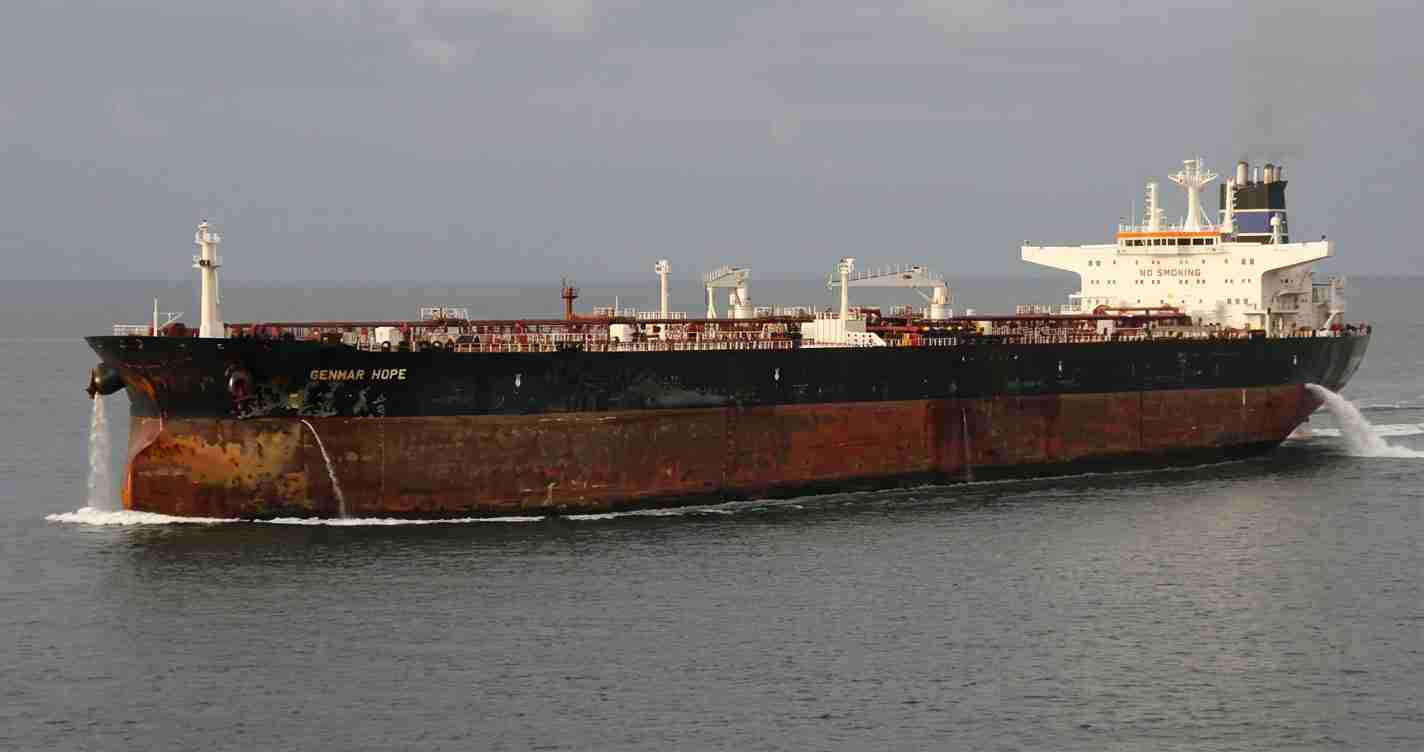
Tehran’s strike campaign threatens shadow shipping networks and sanctions‑evasion routes
The Strait of Hormuz is increasingly imperiled as Iran issues mixed signals about closure while Western forces interdict shadow‑fleet tankers and strike Iran‑linked vessels, disrupting sanctions‑evasion routes and threatening global oil supplies and maritime security.
- Mixed signals from Tehran have left ship operators and insurers uncertain — see Economic Times and Wikipedia.
- Shadow fleet interdictions such as the seizure of MT Ethera highlight efforts to disrupt opaque tanker networks tied to sanctions evasion.
- Military strikes and legal seizures have targeted Iran‑linked vessels, squeezing routes used by buyers of sanctioned crude and raising potential costs for Russia and China.
Overview
Iran’s leadership has sent contradictory messages about the status of the Strait of Hormuz. On March 7, 2026, Tehran’s deputy foreign minister said Iran had not closed the strait and had no intention to do so “until further notice.” Simultaneously, Revolutionary Guard statements warned passage could be controlled and ships set alight in wartime, prompting caution among ship operators, insurers and seafarers (Economic Times; Wikipedia).
“Those contradictory messages have left ship operators, insurers and seafarers uncertain and wary.”
Shadow fleet tankers and interdiction operations
The shadow fleet — vessels sailing unflagged or under false papers — moves oil for buyers and sellers seeking to bypass sanctions or price caps. Western-aligned authorities have increased port inspections, intelligence‑sharing and seizures to raise the cost and difficulty of such evasion.
Notable action: Belgium interdicted a tanker identified as MT Ethera, escorting it to Zeebrugge for seizure; Belgian officials have linked the vessel to relatives of senior Iranian figures alleged to control shadow shipping used to move Iranian and Russian oil (Wikipedia).
Military strikes on Iran‑linked vessels
Alongside interdictions, naval and military actions have targeted ships tied to Tehran. CENTCOM released footage of a U.S. strike on a vessel reportedly carrying drones. Media and naval summaries claim more than 30 Tehran‑linked vessels have been sunk since the offensive began, though these counts remain under verification (Naval reporting/video summary).
These strikes aim to limit Iran’s maritime logistics and to constrain the use of commercial‑looking ships for military purposes.
Economic tools and price caps
Western powers are combining legal, naval and financial levers. A coalition enforces a price cap on Russian oil — often referenced as the Ural Price Cap — reported recently at around $44 per barrel, which seeks to restrict revenue to Moscow and reduce incentives for sanctions evasion (Wikipedia).
How this could squeeze Moscow and Beijing
Russia: sanctions evasion and war funding
Russia has depended on opaque shipping and intermediaries to move crude. Tightened interdictions and price‑cap enforcement could reduce volumes or force steeper discounts, decreasing export revenues at a time when military budgets are strained.
China: industrial and military supply chains at risk
China has been reported to receive sanctioned crude via alternate channels. A contraction of the shadow fleet would likely raise costs, lengthen delivery timelines and introduce volatility into fuel‑dependent industries, with potential inflationary consequences.
Limits of the available evidence
Many claims remain under independent verification. Counts of sunk vessels and some ownership links are still being corroborated by authorities and industry investigators. Early reporting draws on military statements, video summaries and aggregated sources; primary documents such as registries and court records are being pursued for confirmation (Wikipedia; Naval reporting/video summary).
Implications for the world
Economic impact
- Oil markets: The Strait of Hormuz handles roughly 20% of daily seaborne oil; periodic interruptions would reduce supply and push prices higher.
- Shadow fleet disruption: Raises costs for buyers relying on opaque shipments, potentially increasing import bills and refined‑goods prices.
Political consequences
- Greater resolve to enforce sanctions may deepen diplomatic polarization and force choices between trade ties and compliance.
- Russia may seek alternate partners or routes, complicating international responses.
Social effects
- Higher energy prices can raise household costs and food inflation.
- Merchant seafarers and port communities face increased danger and economic uncertainty.
Cultural relevance
The crisis underscores global dependence on secure sea lanes and the strategic significance of maritime law and trade security for nations reliant on shipping lifelines.
Practical applications
- Businesses should reassess supply chains that relied on low‑cost or opaque oil supplies and consider hedging strategies.
- Governments may tighten export controls and vessel screening.
- Shippers and insurers must factor higher war‑risk premiums into route planning and contracts.
Sources and further reading
- Economic Times: “Strait of Hormuz is not closed, says Iran; clarifies it has no intentions to shut it until further notice”
- Wikipedia: 2026 Iran war (summary of events, interdictions and vessel links)
- Naval reporting/video summary: footage and reporting on strikes and struck vessels
Reporting compiled from Times Media Service research and open‑source reporting cited above.



