
Vice President JD Vance Joins Grueling Navy SEAL Training at Coronado, Tests Limits in 90-Minute Workout
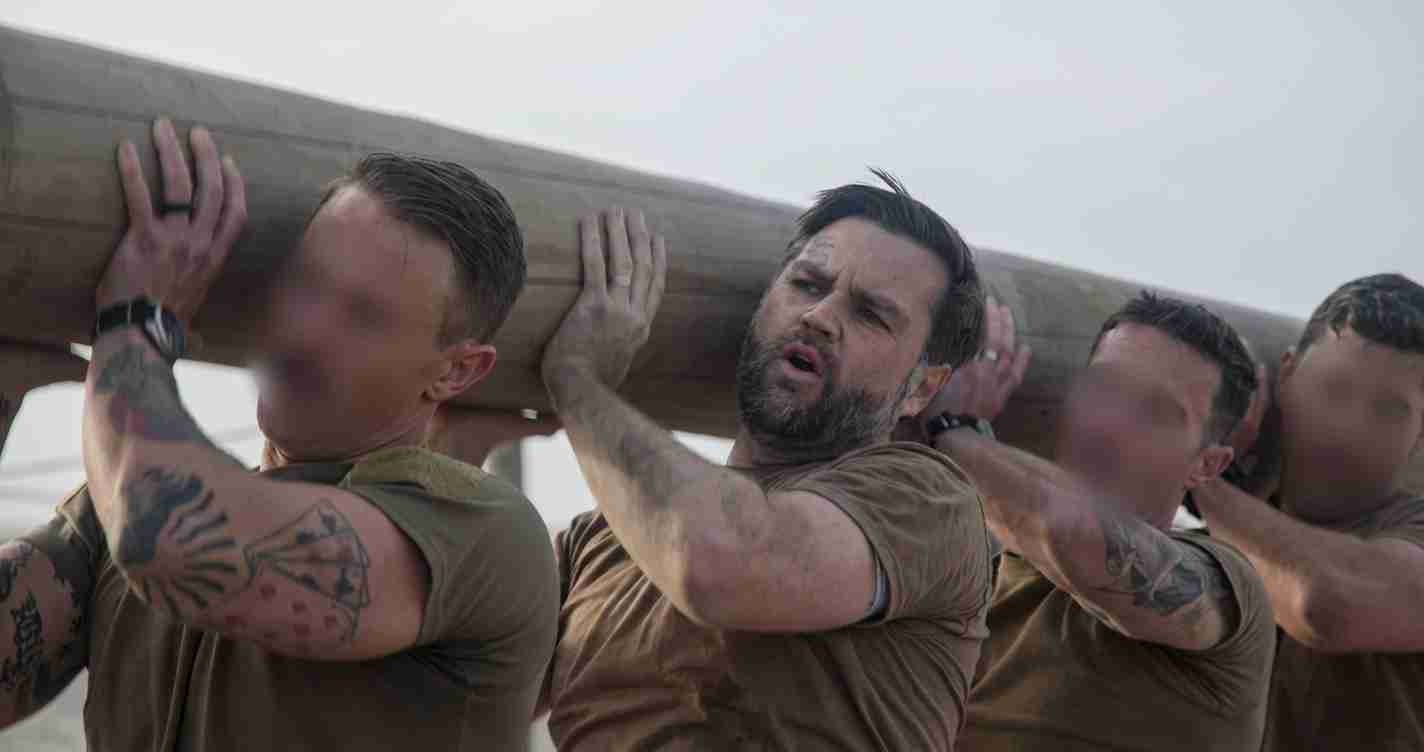
Vice President JD Vance completed an intense 90-minute Navy SEAL-style training workout at Naval Amphibious Base Coronado, carrying logs, rowing, sprinting and climbing obstacles alongside SEAL trainers — testing endurance and underscoring his public military credentials.
- 90-minute session: Vance participated in a Navy SEAL–style workout at Naval Amphibious Base Coronado, including log carries, ocean rowing, sprints and obstacle climbs.
- Photographic record: Photos and video show Vance working alongside SEAL trainers on sand and in open water.
- Veteran background: Vance is a U.S. Marine Corps veteran who enlisted in 2003 and served in Iraq in 2005 with the 2nd Marine Aircraft Wing.
- Questions remain: Reporting does not fully disclose security, medical oversight, or which SEAL trials were omitted for safety.
The workout: what happened at the Coronado military base
Photographs and video released to the press show the vice president working through several classic SEAL training drills at the Coronado military base. The session lasted roughly 90 minutes and included log carries across the sand, coordinated ocean rows, sprint runs on the beach and rope obstacle climbs. Additional elements such as net climbs were also recorded by accompanying cameras and reporters.
Reporters and outlets document the exercises and provide visual evidence: see Fox News coverage and embedded video footage.
Post-workout message and remarks
In a social post on X, Vance wrote that he felt “hit by a freight train” despite reports that SEAL trainers paced the session for him. He added a message of gratitude: “I sincerely thank all the heroes who keep us safe and maintain the world’s highest standards.”
Those quotes appear in published reports and accompanying images.
Vance’s military background and public profile
JD Vance enlisted in the U.S. Marine Corps in 2003, deployed to Iraq in 2005 with the 2nd Marine Aircraft Wing, and worked in public affairs during his service. His time in uniform is frequently referenced by his team and supporters; the Coronado session was framed as a visible reminder of those service credentials and a demonstration of personal fitness.
Photos, access and messaging
Images published by Fox News show Vance integrated with a small group of trainers and SEALs, performing demanding tasks in wet sand and open water while personnel wear full training kit. The timing and release of those images invite standard investigative questions about who arranged access, what participation limits were set, and how security and medical safety were managed for a vice president taking part in elite training.
Investigative notes: what remains unclear
- Scope of participation: Reports indicate SEAL trainers “went easy” on Vance; public reporting does not specify which full-scale SEAL trials were offered or avoided for safety.
- Security and logistics: The event occurred on an active military installation; detailed accounts of security measures, medical oversight and formal approvals were not released in initial coverage.
- Messaging choice: Officials often use such appearances to highlight readiness and morale; the strategic aim of publicizing this session (political reassurance, troop morale, signaling) isn’t fully explained in available material.
Context: fitness, politics and the public stage
The visit fits a pattern of high-profile fitness appearances by senior U.S. officials. Defense leaders and cabinet members have staged joint workouts to emphasize physical standards in the ranks and to publicly connect with service members. For global audiences, the spectacle of elite training as a platform for domestic political messaging is familiar; the Coronado images reinforce narratives of administrations foregrounding toughness and frontline solidarity.
Implications for The World
Economic impact: The direct economic effect of a single training visit is minimal, but broader emphasis on fitness and readiness can influence defense budgets and procurement priorities internationally.
Political consequences: Public displays of elite force readiness may reassure allies in Europe and Asia but can also be used by rivals to justify their own military buildups.
Social effects: The visit reinforces respect for veterans and service members and may be meaningful to veterans’ communities while also prompting debate about whether optics match policy on veterans’ care and support.
Practical applications for citizens and policymakers
Policymakers should balance symbolic gestures with measurable policy steps: if fitness standards and troop readiness are priorities, they require funding, training time and oversight. Citizens can expect more public engagements like this and should ask whether they are matched by budgetary and welfare commitments to service members.
Sources and further reading
- Fox News: “Exclusive photos: JD Vance joins Navy SEAL training, pushes limits in grueling workout.”
- Chosun Ilbo (English): coverage of the visit and quotes.
- Video footage of drills and exercises referenced
Reporting note
This article draws on photographs, social posts and reporting from Times Media Service syndication partners and other outlets. Official transcripts, detailed military after-action notes or full security briefings were not released at the time of reporting. Questions about planning, safety measures and the exact nature of the training remain open and warrant follow-up with military and White House briefers.



