
Trump Announces “Operation Epic Fury” — U.S. and Israel Launch Major Combat Operations in Iran
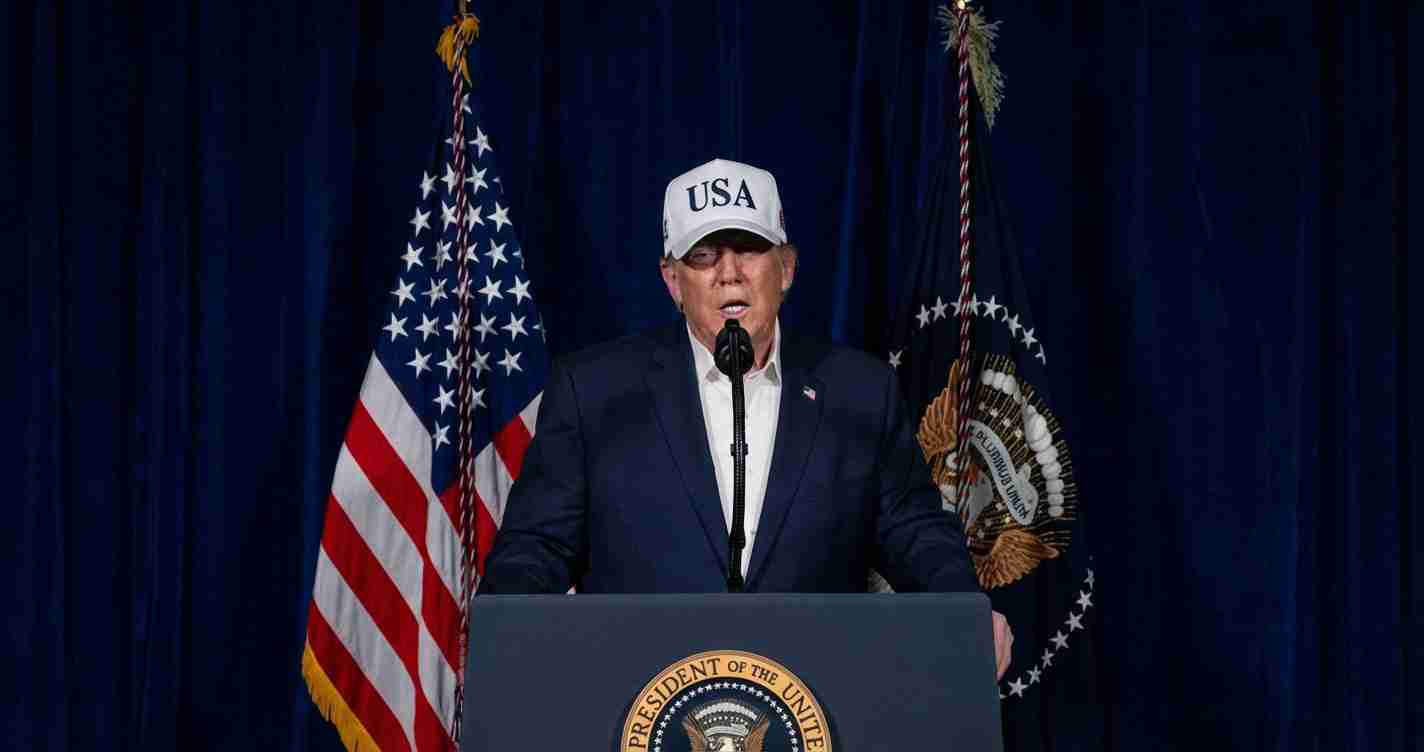
President Donald Trump announced early Saturday the launch of “Operation Epic Fury,” a joint U.S. and Israeli military assault inside Iran described as “major combat operations,” intended to halt Iran’s nuclear work and dismantle its missile industry after failed diplomacy.
- Joint assault: President Trump said the U.S. and Israel have begun “major combat operations” inside Iran under Operation Epic Fury, according to his remarks and media reporting — Politico and CBS News.
- Stated goals: The strikes were framed as necessary to stop Iran from developing nuclear weapons and long-range missiles threatening U.S. allies and American soil — Politico.
- Targets and response: Israeli strikes reportedly focused on leadership targets while U.S. strikes targeted sites described as posing “imminent threat”; explosions were reported in Tehran as Iran fired missiles toward Israel and U.S. bases — reporting from CBS News and Wikipedia.
Trump’s stated rationale
In a video posted to Truth Social, Mr. Trump described the campaign as “a massive and ongoing” operation to stop what he called a “very wicked, radical dictatorship.” He said the aim is to “destroy their missiles and raze their missile industry”, “annihilate their Navy” and prevent Iran and its proxies from destabilizing the Middle East.
“This terrorist regime can never have a nuclear weapon,” he said, repeating a principal justification cited by U.S. officials — coverage summarized by CBS News and Politico.
Warning to Iran: Trump told Iranian forces to “lay down your weapons and have complete immunity” or “face certain death,” and urged Iranian civilians to rise up against their government. He acknowledged the likelihood of American casualties: “The lives of courageous American heroes may be lost and we may have casualties.”
How we got here: the path to military action
The strikes followed weeks of sharp escalation after diplomatic efforts stalled. U.S. officials and Trump allies accused Tehran of expanding nuclear work and developing longer-range ballistic missiles. The crisis escalated through January and February as protests, threats and military buildups converged.
In late January, Mr. Trump warned on Truth Social that “a massive Armada is heading to Iran” and threatened harsher action if Iran refused a deal to curb its nuclear program — signaling a shift from diplomacy to pressure. The United States began assembling a large air and naval force in the region, described in public reporting as the biggest such buildup since the 2003 Iraq invasion — see the timeline summary on Wikipedia.
By mid-February, Mr. Trump had authorized a second carrier strike group — the USS Gerald R. Ford with Carrier Strike Group 12 — to the Middle East to bolster the USS Abraham Lincoln and to give commanders more operational options. Intelligence briefings weighed responses from cyber operations and psychological campaigns to kinetic strikes (reporting summarized by Wikipedia and CBS News).
Reports indicated preparations for strikes as early as Feb. 21, with a final decision delayed amid back-channel talks. On Feb. 18, the president met with national security officials and received briefings on indirect mediator contacts with Iran. When diplomacy failed to produce a settlement, the administration moved toward military action (Wikipedia).
The military operations on Feb. 28
On the day of the announcement, U.S. and Israeli forces reportedly launched coordinated strikes inside Iran. Iranian state and semi-official sources and international reporting described large explosions in Tehran and other areas. Iran responded by launching missiles at Israel and at least two major U.S. bases in the region were reported targeted — immediate coverage by CBS News and the event timeline on Wikipedia.
U.S. officials told reporters American strikes prioritized sites posing an “imminent threat” to U.S. forces and allies, while Israeli statements indicated a parallel focus on leadership and command-and-control targets inside Iran. Both governments characterized the campaign as limited in scope but intense in force (CBS News; Politico).
Nuclear program and ballistic missiles at the center
U.S. officials and senior politicians said Iran’s refusal to discuss limits on its ballistic missile program was a key sticking point in talks. Secretary of State Marco Rubio (as cited in U.S. media reports) said Iran’s insistence on excluding missiles from negotiations was “a big, big problem.”
The administration framed missile facilities and nuclear-related sites as dual threats to regional stability and to Europe and North America if Iran developed long-range delivery systems or nuclear arms. That framing underpinned decisions to target missile infrastructure and nuclear-related facilities during the opening phase of Operation Epic Fury (Politico).
Political and public reactions
The president’s announcement and the strikes prompted a range of responses from governments and analysts. Allies in Europe and the Middle East face rapid choices about support, restraint or mediation. Public opinion is likely split between calls to stop nuclear proliferation and concerns about a wider regional war.
Independent reporting and U.S. media live-coverage continue tracking developments; casualty figures, damage assessments and a full target list remain incomplete as governments control much of the immediate information flow (CBS News; Politico).
Implications for The World
Economic impact: Global markets are likely to react immediately. A sustained conflict could disrupt Gulf shipping, raise oil prices and increase costs for consumers worldwide. Supply chains and European energy security may be strained (analysis referenced in Politico).
Political consequences: European governments, NATO partners and the EU must decide whether to support U.S. actions, call for restraint, or push emergency diplomacy. The strikes could reshape electoral politics, security narratives and debates on defense spending (CBS News).
Social effects: Diaspora communities from Iran and the broader Middle East may face heightened anxiety and potential backlash. There is risk of anti-West sentiment and retaliatory attacks by Iran’s allies or proxies; humanitarian needs could rise if infrastructure is damaged (Wikipedia).
Cultural relevance: For many Europeans, the strike revives memories of past Middle East conflicts and raises questions about preemptive strikes, sovereignty and international law. Debate will focus on whether the attack was necessary, proportionate and supported by credible evidence of imminent threats (Politico).
Practical applications: Governments should review contingency plans for energy supply, secure critical infrastructure and prepare for potential refugee flows. Businesses must prepare for supply disruptions and evaluate risks to personnel. Citizens should monitor travel advisories and expect heightened security at transport hubs and events (CBS News).
Sources and reporting notes
This article draws on on-the-record statements by President Trump posted to Truth Social and public statements from U.S. and Israeli officials, as reported by major outlets. Timeline and situational details are drawn from public reporting and contemporary summaries of the crisis. Primary sources include:
- Politico: Trump announcement and Operation Epic Fury reporting
- CBS News: live updates and coverage of strikes and Trump remarks
- Wikipedia: timeline and additional contextual reporting
Further reporting will be necessary to confirm target lists, casualty figures and long-term strategic consequences as independent verification becomes available and governments release more detailed information.



