Michigan education official’s answer on “how many genders” fuels online firestorm as state adopts new sex-ed guidance
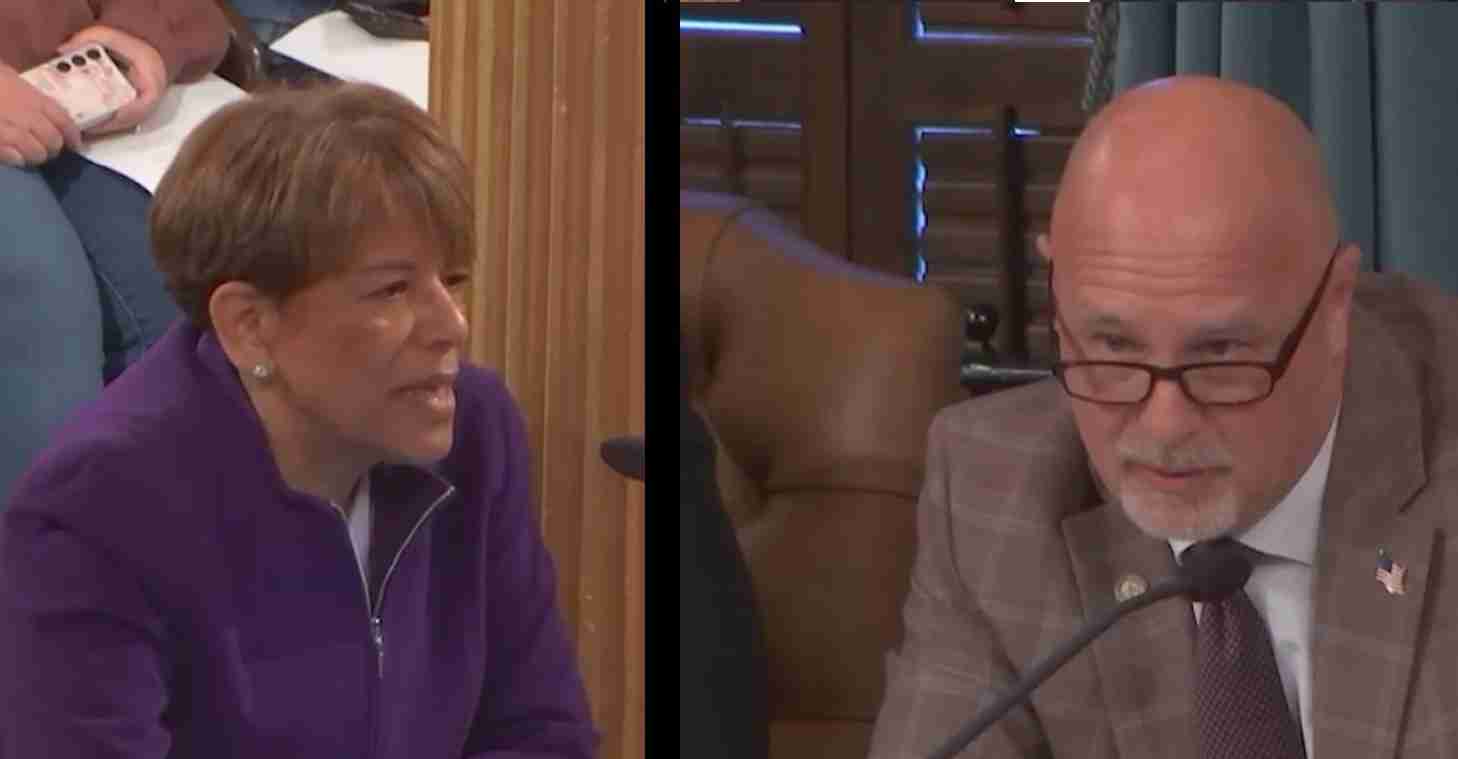
Lansing, Michigan (Times Media Service) — A Michigan education official’s refusal to name a single number of genders at an October 2025 oversight hearing touched off an online firestorm as the state adopted updated sex‑education guidance recommending instruction on gender identity.
- Viral exchange: A short clip of Michigan Chief Deputy Superintendent Dr. Sue Carnell declined to give a single number of genders and circulated widely, drawing sharp conservative criticism and millions of views.
- Standards adopted: The State Board approved updated health and sex‑education guidance that recommends teaching gender identity, expression and sexual orientation while leaving curricula decisions to local districts.
- Legal context: The guidance is framed as research‑based and intended to align with the Elliott‑Larsen Civil Rights Act protections for gender identity.
- Political fallout: GOP lawmakers issued subpoenas and pressed oversight actions while advocates defended the guidance as protecting student safety and civil rights.
What happened on the record
During an October 2025 legislative oversight hearing ahead of the State Board vote, Republican Rep. Jay DeBoyer asked Dr. Sue Carnell to state how many genders exist. Carnell declined to provide a single number, saying “different people have different beliefs on that” and emphasizing that the Michigan Department of Education (MDE) offers research‑based guidance for local districts to use in ways that reflect community values. Coverage of the exchange is available from Fox News.
“Different people have different beliefs on that.” — Dr. Sue Carnell, Michigan Chief Deputy Superintendent
Social and political reaction
A short clip of the exchange was posted and amplified by conservative social‑media accounts, including the influencer account LibsofTikTok, and it rapidly gathered millions of views on X (formerly Twitter). Critics called Carnell’s answer “beyond embarrassing” and argued the MDE was promoting an ideological agenda in schools; that criticism was reflected in Fox News coverage.
Prominent conservative voices — including Heritage Foundation Vice President Roger Severino, former candidate Tudor Dixon, GOP state Sen. Aric Nesbitt and commentators such as Wesley Yang — publicly denounced the response and used it to press broader arguments about school curricula and state leadership. At the same time, parents of transgender students and LGBTQ+ groups pushed back, saying guidance on gender identity and sexual orientation can make schools safer and ensure compliance with civil‑rights law. Local reporting and public comment periods showed a deeply divided public reaction; see reporting from Bridge Michigan and the Detroit Free Press.
Context: the new standards and legal backdrop
The revised health and sex‑education standards recommend that, by the end of 8th grade, students should be able to define gender identity, gender expression and sexual orientation and understand they are distinct from biological sex. Officials describe the guidance as research‑based and age‑appropriate, and emphasize that the standards are advisory — local districts set curricula and parents retain opt‑out rights. Coverage of the board’s adoption appears in Fox News and Bridge Michigan.
The standards must also align with Michigan’s Elliott‑Larsen Civil Rights Act, amended in 2023 to include protections for gender identity. The Department says updates aim to ensure legal compliance while providing tools to support student safety and inclusion.
No evidence that Carnell or the standards prescribe a number of genders
Available reporting does not show Carnell or the MDE endorsing a specific number of genders. Both the hearing exchange and the guidance language stress that gender identity is a topic with differing views and that the department’s role is to support local districts with resources rather than mandate particular beliefs (see Fox News; Bridge Michigan; Detroit Free Press).
Legislative follow‑up and subpoenas
The controversy has fed a partisan response in the statehouse. Republican lawmakers on the House Oversight Committee issued a subpoena to the MDE seeking internal communications about the development of the standards; GOP materials outline oversight actions and motions related to the inquiry. Supporters of the guidance say oversight is part of the legislative process but caution it should not supplant careful review of legal and educational goals. See the GOP notice at GOP House and reporting at Michigan Capitol Confidential.
How schools and districts may respond
Local control remains central: because the guidance is advisory, individual school boards and districts will decide whether and how to teach topics on gender identity and expression. Some districts may adopt explicit lessons; others may limit instruction or rely on opt‑out policies for families who object. The MDE repeatedly underscores that local communities retain autonomy over curricula.
Implications for the world
Though primarily political and educational, the dispute has several broader implications:
- Economic: Mostly limited; disputes can affect budgets for training, curriculum rewrites or legal defense and, in polarized areas, influence enrollment and property decisions.
- Political: Reflects a wider trend where education and identity issues shape elections and party messaging; other jurisdictions may cite Michigan as precedent.
- Social and cultural: Debates touch on student mental health, community cohesion and differing cultural norms about gender in public institutions.
Practical applications for educators and policymakers
Officials considering similar updates should expect intense scrutiny. Best practices include:
- Clear, transparent communication about review processes and legal compliance.
- Explicit explanation of opt‑out rights and local control to address parental concerns.
- Training and outreach so educators and families understand what advisory guidance means in practice.
Reporting and public record
This account draws on reporting from multiple outlets and public materials:
- Fox News (politics: viral exchange)
- Fox News (coverage of adopted standards)
- Bridge Michigan
- Detroit Free Press
- GOP House materials
- Michigan Capitol Confidential
- WWMT local reporting
Voices on both sides continue to use the episode to press broader narratives: opponents underscore leadership and ideological concerns; backers emphasize evidence, safety and civil‑rights protections for students.