Potomac Interceptor repairs completed after historic Montgomery County sewage spill; full flow restored, C&O Canal drained
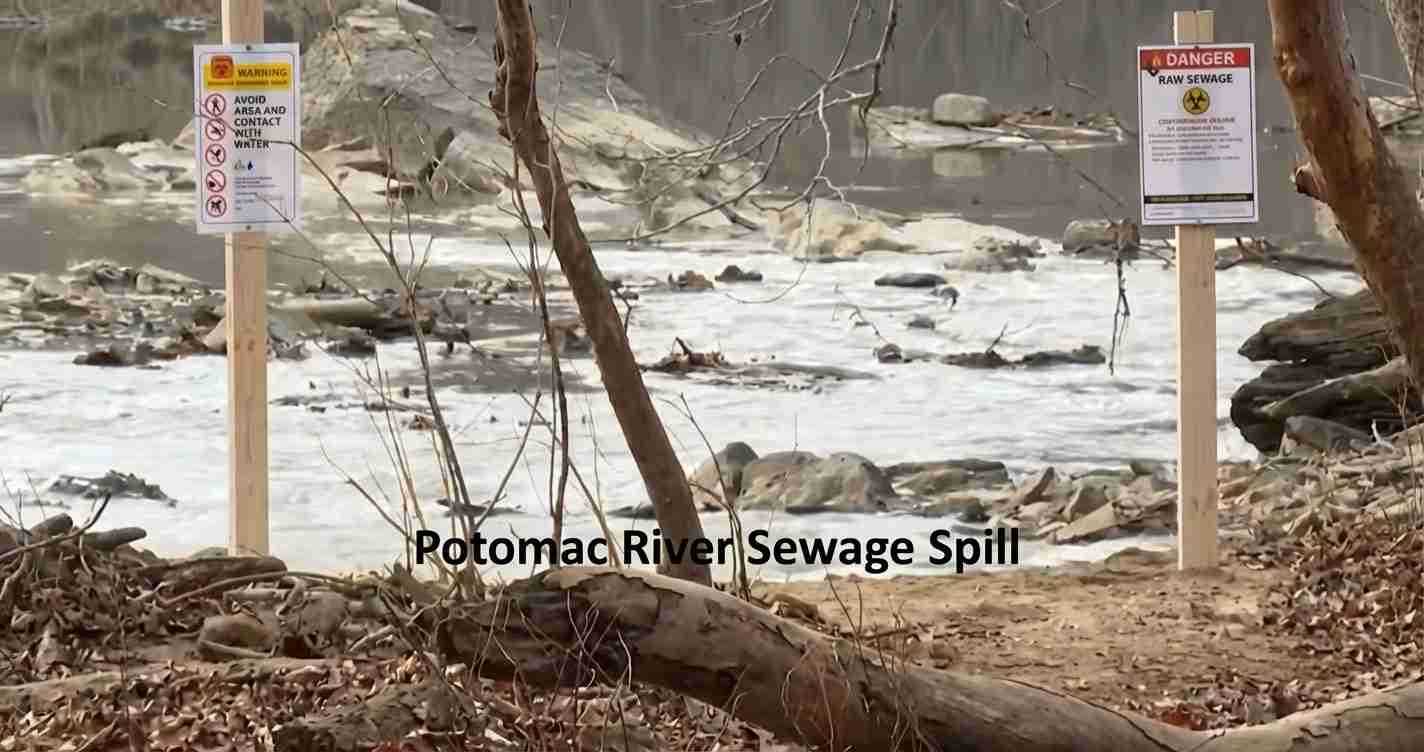
DC Water says emergency repairs to the Potomac Interceptor are complete and full flow to Blue Plains has been restored after the Jan. 19, 2026 rupture that released an estimated 240–300 million gallons of untreated wastewater into the Potomac.
- Full flow restored: Emergency repairs completed and treated flow to Blue Plains resumed after the interceptor rupture.
- Massive spill: The collapse released roughly 240–300 million gallons of raw sewage — among the largest U.S. spills on record.
- Canal bypass and drainage: Crews installed a temporary bypass through the Chesapeake & Ohio Canal and drained the canal for site restoration.
- Ongoing monitoring & costs: Health agencies continue testing; response and repairs are estimated near $20 million.
The spill and the Potomac Interceptor
The Potomac Interceptor is a 72-inch sewer main largely built in 1962 that routes wastewater from parts of Virginia and Maryland to DC Water’s Blue Plains treatment plant. The line runs in places through federal land and the Chesapeake & Ohio Canal National Historical Park. For a detailed background see Wikipedia: 2026 Potomac River sewage spill.
Response, bypass and repairs
Emergency crews worked around the clock after the rupture on Jan. 19, roughly five miles upstream of downtown Washington. Teams stabilized the site, installed a roughly 2,700-foot bypass through the C&O Canal, and used pumps and a steel bulkhead gate near Lock 10 to limit river releases while repairs proceeded.
The U.S. Army Corps of Engineers joined Feb. 21 to support heavy-lift and repair operations, and the National Park Service cooperated on the canal bypass to permit routing to Blue Plains. DC Water announced emergency repairs are finished, full flow to Blue Plains restored, and the C&O Canal fully drained as part of restoration.
Reported response costs approximate $20 million, including about $10 million for pipe work and $5–10 million for cleanup operations, according to public reporting and agency statements.
Water quality and health monitoring
Testing by state and independent groups documented sharp spikes in bacterial contamination near the rupture. Reported E. coli readings rose to many times EPA safety limits at the closest sites; some hot spots showed extremely high multiples, while winter conditions slowed bacterial growth and limited wider spread.
Authorities reported that major drinking-water intakes upstream remained unaffected, but state agencies issued advisories and closures: the Maryland Department of the Environment closed a Charles County shellfish harvesting area, and Montgomery, Prince George’s and Charles counties warned residents to avoid river recreation in affected reaches.
Environmental groups such as the Potomac Riverkeeper Network urged continued independent sampling and stronger science-based cleanup measures.
Political dispute and federal aid
The incident generated rapid political pressure. D.C. Mayor Muriel Bowser declared a public emergency on Feb. 18 and requested federal assistance. President Donald Trump approved a disaster declaration unlocking FEMA and EPA resources; his public comments criticized local leaders and warned of lingering odor concerns ahead of America250 events.
Maryland Gov. Wes Moore and other state officials pushed back, noting the pipe sits on federal land and is managed by DC Water, an independent District utility. Gov. Moore emphasized Maryland’s neighborly assistance but rejected public attacks on his response.
Legal fallout
A lawsuit filed by recreational boater Nicholas Lailas seeks compensation for impaired use and enjoyment of the Potomac, alleging the rupture harmed recreational and property interests. That suit joins demands for accountability from environmental groups and residents; regulators and courts will sort liability among DC Water, upstream users, the federal government and any contractors.
Local and infrastructure context
The incident highlights aging sewer infrastructure risks across the U.S. The Potomac Interceptor, installed in the early 1960s, serves a wide suburban area and its route through federal parkland complicated response and raised questions about oversight and responsibility. Recent months have seen other major urban releases, underlining the dangers of deferred maintenance.
For national context see coverage by WSBTV: Beyond Potomac River.
Implications for the world
Economic: Local tourism, boating and fisheries suffered immediate harm; closures and advisories reduced income in affected counties. The event demonstrates how a single infrastructure failure can have wide regional economic impacts.
Political: The spill tested multi-level government cooperation and highlights need for clear command chains and joint emergency plans for cross-jurisdiction utilities.
Social & cultural: Loss of access, trust, and community reliance on rapid testing, transparent communication and compensation mechanisms to restore confidence—especially in a capital region with high symbolic visibility during major public events.
Practical applications for residents and managers
- Residents: Heed advisories, avoid closed shellfish areas, and check local health updates before returning to river recreation.
- Managers: Inspect aging conveyance systems, fund preventive maintenance, maintain cross-jurisdiction emergency plans, and plan rapid bypass options with clear leadership roles.
Ongoing monitoring
Authorities continue river testing and site restoration. DC Water and the D.C. Department of Energy and Environment have issued regular updates and water-quality reports while environmental groups press for independent sampling. Federal support via FEMA and the Army Corps remains part of recovery efforts following the disaster declaration.