UNITED STATES, July 28 (Nationwide Times) — A Senate committee vote could matter for U.S. car buyers if a proposal to limit sales of some connected vehicles becomes law. The legislation, approved by the Senate Commerce Committee, would restrict sales of connected vehicles made by automakers that are more than 15% owned by Chinese entities.
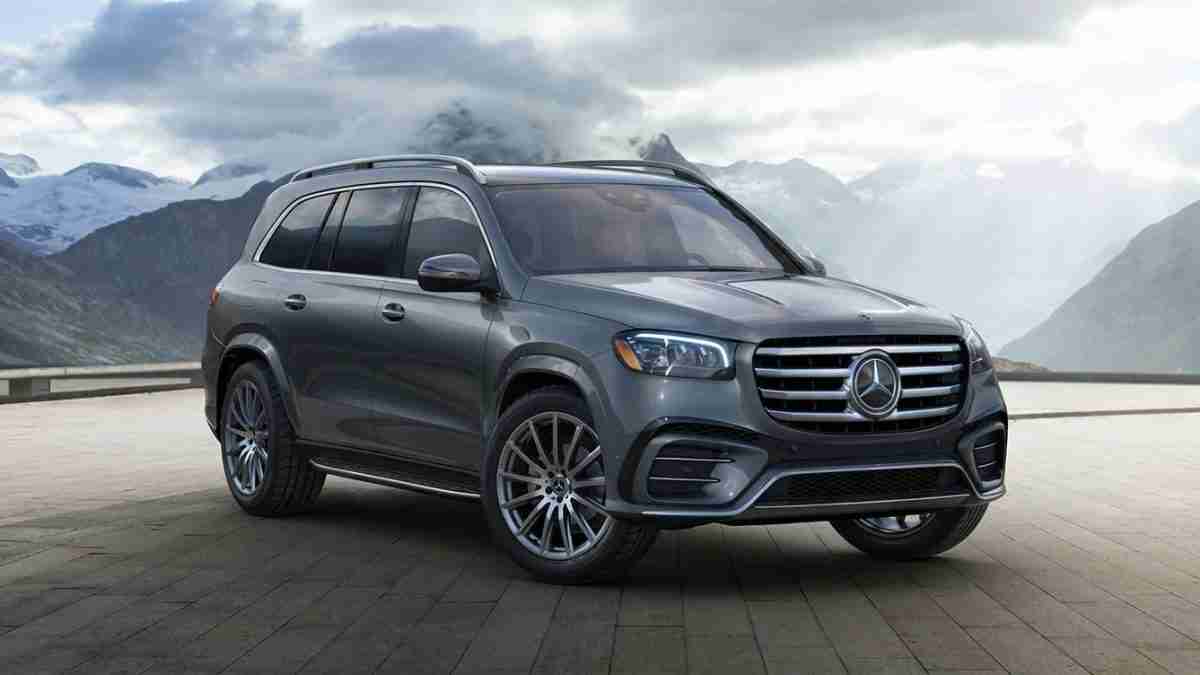
Mercedes-Benz is now one of the clearest companies caught in that debate. Multiple reports say Chinese investors collectively hold nearly 20% of Mercedes-Benz Group AG, which puts the German automaker above the bill’s 15% threshold.
What is a connected vehicle?
In simple terms, a connected vehicle is a car that uses software, internet links, and data-sharing systems to provide features such as navigation, remote updates, emergency assistance, and app-based controls. Because those systems can move data in and out of the car, Congress has been looking at whether foreign ownership or foreign-made software could create security risks.
What the Senate bill would do
Public reporting describes the Senate proposal as a restriction on sales of connected vehicles from automakers with too much Chinese ownership. Some coverage has described the idea more broadly, including effects on imports or manufacturing, but the exact wording has not been reported consistently.
At the Commerce Committee markup, Chairman Ted Cruz said the 15% threshold would sweep in Mercedes-Benz because of its Chinese investors. CNBC and other reports said Cruz warned the bill could unintentionally bar Mercedes-Benz from the U.S. market if the language is not changed.
The ownership issue centers on stakes linked to BAIC, a Chinese state-owned automaker, and Geely founder Li Shufu. Reported figures place those Chinese holdings at nearly 20% combined.
Why Mercedes-Benz is concerned
Bloomberg reported, citing people familiar with the matter, that Mercedes-Benz Group AG has been trying to soften the proposal. One report said the company has pushed to raise the Chinese ownership cap from 15% to 25%, though the source for that detail was not clear.
Mercedes chief executive Ola Källenius also addressed the issue publicly in May at a media roundtable in Los Angeles. CNBC later reported that he said he was “very confident that we will be able to handle that situation” if the legislation moves forward.
What lawmakers say
Sen. Bernie Moreno said Mercedes-Benz could have until 2030 to comply with the ownership limit and could seek a waiver. The public reporting does not fully explain how that waiver would work or what standard lawmakers would use to grant it.
Moreno also said the goal was not to ban Mercedes-Benz vehicles outright. Cruz made a similar point, saying the committee would not intend to target the company directly, even though the bill’s current language could reach it.
Is the bill law now?
No. The Senate Commerce Committee vote is only one step. The proposal would still need more congressional action before it could become law, and a separate House version has also been discussed in public reporting. The exact status of any companion bill remains unclear.
Why this matters for U.S. drivers
If the measure survives Congress and becomes law without changes, it could affect which connected vehicles can be sold in the United States. That could matter not only for Mercedes-Benz, but also for other automakers with Chinese ownership stakes that fall near the same threshold.
For now, the practical effect is limited to the legislative process. The bill has advanced, but it has not yet become a federal ban.