Man Dies After Entering Closed Area of Kīlauea Caldera
A 33-year-old Hawaii resident died after entering a restricted section of the Kīlauea caldera on Feb. 26. Rescue crews found and airlifted him Feb. 27, but he was later pronounced dead at Hilo Benioff Medical Center.
- Restricted entry: The victim entered a closed section of the Kīlauea caldera marked off-limits for steep, unstable terrain and hidden volcanic hazards.
- Search and rescue: Crews conducted an overnight search and performed an airlift on Feb. 27; the man was later pronounced dead at Hilo Benioff Medical Center.
- Broader trend: Officials say this incident reflects a wider pattern of visitors ignoring closures and safety warnings across U.S. national parks.
What happened at Kīlauea
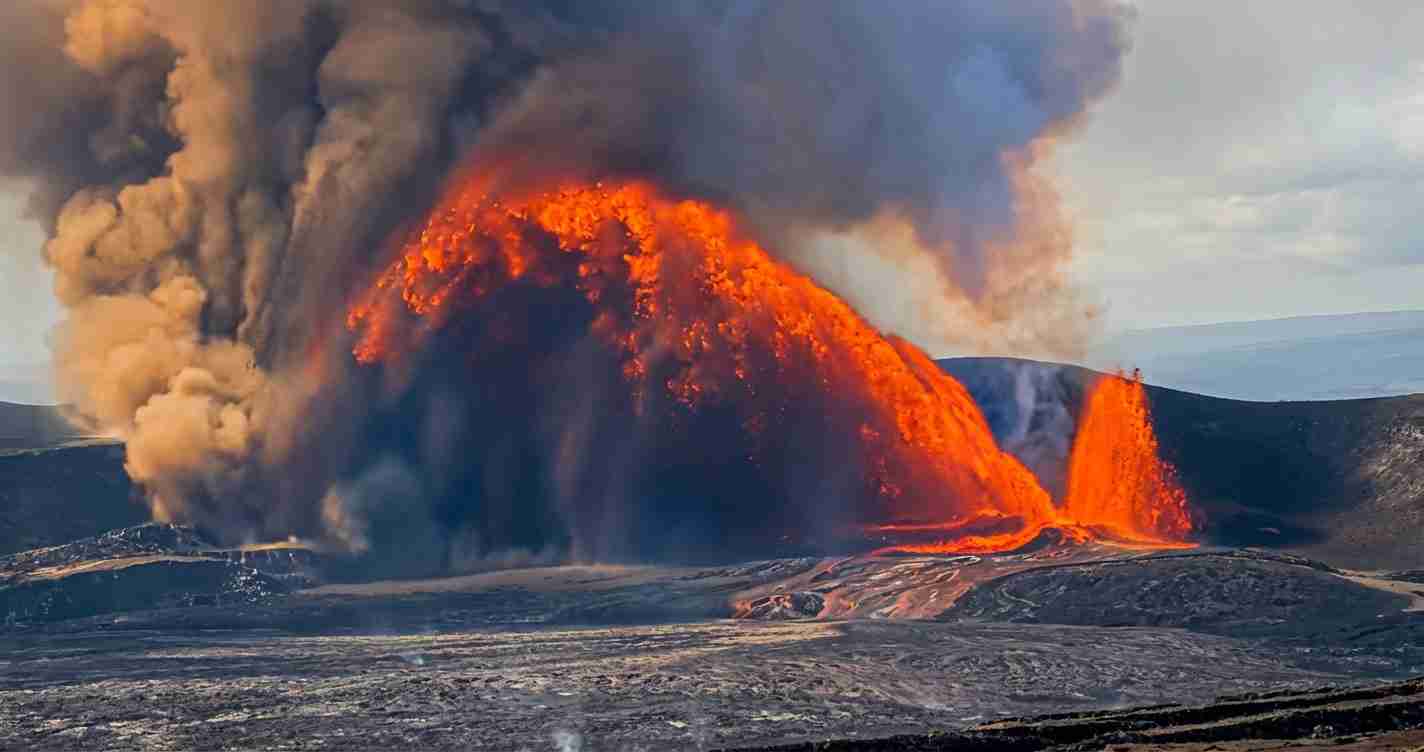
Park officials say the man entered a closed portion of the Kīlauea caldera on Feb. 26 — an area explicitly blocked off because of steep, unstable cliff edges, hidden cracks and other hazardous volcanic terrain. Rangers and rescue teams searched through the night and located him the next day. On Feb. 27 he was airlifted from the site and taken to the hospital, where he was pronounced dead.
Park statements stress that closures protect visitors from hidden dangers such as sudden ground collapse and thin crust over heated ground. Although Kīlauea was not erupting at the time (the most recent lava episode had ended on Feb. 15), changing volcanic landscapes leave terrain dynamic and dangerous, even without visible lava. Local reporting and park briefings are available through Big Island Video News: Man dies after being airlifted out of Kīlauea volcano caldera and follow-up coverage from WBZ NewsRadio / iHeart.
A pattern across U.S. parks
Officials and researchers say the Hawaii incident is part of a broader trend of rule-breaking and risky behavior in national parks. Increased visitation, crowded trails and strong interest in dramatic natural features have led some people to ignore closures or cross barriers to get closer to views or photos.
- Yellowstone: Visitors have repeatedly violated safety rules in thermal zones; nearly two dozen people have died from burns in thermal areas since the park opened (Fox News).
- Olympic National Park: An 18-year-old man died after leaving a designated path near Sol Duc Falls.
- Bryce Canyon: Two tourists died after climbing over a rail last spring.
- Yellowstone bison incident: An 83-year-old woman was severely injured after a bison gored her in 2024.
At Hawaii Volcanoes National Park, rangers previously caught trespassers near active lava in December 2024, and other incidents have included falls when visitors left trails to approach lava. These examples show the range of hazards — from falls to burns to rescue risks — when closures are breached.
Why visitors take risks
Experts point to several factors: growing park visitation, a mismatch between visitor expectations and the realities of wild landscapes, and social pressure to capture dramatic images. Dylan Spencer, an assistant professor who co-authored a 2025 study on disorder in parks, noted that many people treat national parks like city parks or zoos instead of dynamic, sometimes dangerous environments (Fox News).
Social media and photography: Some visitors knowingly approach hazards for photos or close encounters, underestimating unstable ground, geothermal heat under thin crust, or unpredictable wildlife. Where barriers and signs exist, they are intended to communicate these risks; not all visitors heed them.
Official response and safety messaging
“Rangers do everything reasonable they can to warn visitors of risks and keep them safe,” said Bill Wade, executive director of the Association of National Park Rangers, noting that some people keep ignoring warnings and sometimes pay the price.
The National Park Service continues to emphasize basic safety steps: stay on marked trails and boardwalks, obey closure and trespassing signs, do not climb over barriers, keep a safe distance from wildlife, and follow ranger directions. These rules often mean the difference between a safe visit and a life-threatening situation (WBZ NewsRadio / iHeart).
Rescue costs and risk to responders
When visitors enter closed zones, they can trigger complex overnight search-and-rescue missions in steep, remote terrain that put responders at risk and strain budgets. The Hawaii incident required an overnight search and an airlift; park officials warn that rescues in volcanic terrain are dangerous and resource-intensive (Big Island Video News).
Implications for the world
Economic: Accidents can close trails, increase rescue costs and affect tourism-dependent local businesses.
Political: Rising incidents can prompt debates over visitor limits, ranger funding and enforcement measures in countries with major natural attractions.
Social and cultural: A widespread desire for close-up nature experiences — amplified by social media — clashes with safety and conservation needs. Public education, clearer signage and sustained funding are common responses recommended to reduce injuries.
Practical steps for managers: Increase ranger presence at high-risk sites, improve physical barriers and signage, offer targeted visitor education, and consider timed-entry or visitor caps during peak periods. Emergency services should also review protocols and funding for rescues in hazardous terrain.
Sources and further reading
- Fox News: National park death exposes repeated rule violations
- WBZ NewsRadio / iHeart: Man dies after sneaking into a closed area of a national park
- Big Island Video News: Man dies after being airlifted out of Kīlauea volcano caldera
For readers: obey closures and posted warnings — stay on trails, maintain safe distances and respect ranger instructions to protect yourself and the people who may have to rescue you.