
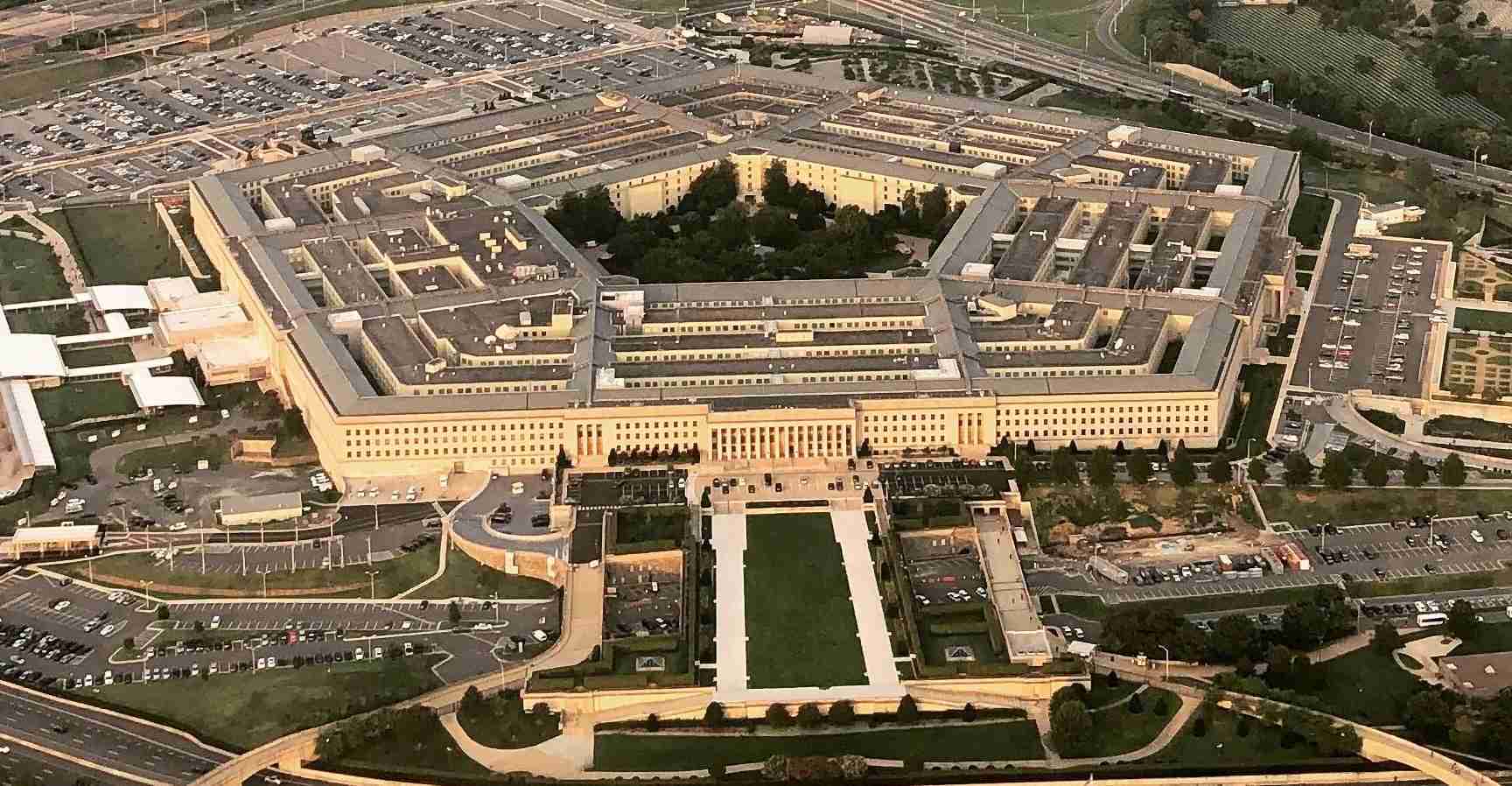
Pentagon accepts $130 million anonymous donation to cover troops’ pay amid 45-day shutdown
The Pentagon accepted a $130 million anonymous donation to cover service members’ pay during a 45-day government shutdown — the first known use of private funds for military salaries — confirmed by Pentagon spokesman Sean Parnell and announced by President Trump.
Key takeaways
- Large private gift: The Defense Department accepted a $130 million anonymous donation to help pay troops during the shutdown, according to Military.com.
- Official confirmation: Chief Pentagon spokesman Sean Parnell confirmed the gift and said it was accepted under the department’s general gift authority (Military.com).
- Transparency concerns: Officials declined to identify the donor or explain detailed accounting; legal and ethical questions remain about private funding for core government obligations.
Donation announced by president, confirmed by Pentagon
Announcement: President Donald Trump revealed the gift during a White House Homeland Security Task Force roundtable on October 24, 2025, saying “a friend had sent a check for $130 million” to help cover shortfalls caused by “the Democrat shutdown.”
Trump said the donor asked to remain anonymous and “doesn’t really want the recognition … but that’s what I call a patriot.” The following day, Chief Pentagon spokesman Sean Parnell confirmed the department had accepted the funds on October 23, 2025 and said the money will offset service members’ salaries and benefits under the department’s general gift authority.
Pentagon declined to provide details on donor identity and accounting
Defense Department officials so far have declined to identify the donor or explain how the funds will be tracked and disbursed. The department stated it accepted the funds under existing legal authority to receive gifts but did not provide granular accounting details or say whether the donation will directly fund payroll or reimburse accounts already tapped to keep paychecks flowing (Military.com).
Legal and ethical questions
Accepting a private donation for troop pay is without modern precedent. Legal experts and ethicists warn the move raises significant transparency and ethics concerns. While the department has authority to accept some gifts, the scale and purpose — funding guaranteed wages — is unusual and has drawn scrutiny.
Critics caution that private gifts for core government functions could create opaque funding channels and risk expectations of donor influence; officials insist no agreement or access was tied to this gift, but no confirming documents have been released.
Opponents argue that needing a private donation to pay troops represents a government failure. The president framed the contribution as a corrective for congressional inaction; lawmakers on both sides have disputed that characterization (AOL).
Budget moves already strained other accounts
Before the donation, the Defense Department redirected billions from research, development and other discretionary funds to maintain pay during the shutdown. Those transfers can slow development programs, reduce long-term readiness and raise concerns among military planners and lawmakers (Military.com).
What this means for service members now
Short-term relief: For many troops the donation offers reassurance that upcoming paychecks are likely to arrive. But it is a stopgap; the contribution covers only a portion of payroll needs and officials have not said what happens when the funds are exhausted.
Service families facing mortgages, bills and day-to-day expenses remain under strain while the shutdown continues; local support organizations and base commanders are advising families to prepare for ongoing uncertainty (Military.com).
Public and political reaction
Reactions split quickly. Supporters hailed the donor as a patriot protecting troops during a stalemate. Opponents said the need for private charity to meet payroll is a failure of government and demanded transparency about the donor’s identity and the accounting of the gift (AOL).
Commentary across social platforms and cable news raised ethical questions about private funding for public obligations; analysts and watchdogs signaled they will press for documentation and oversight (video discussion).
Tracking and oversight questions remain
Congressional oversight committees have authority to request records about the gift and how the Pentagon plans to spend it. Lawmakers may seek documents and accounting records to determine whether rules were followed and whether pay ultimately comes from the donation or from appropriations temporarily repurposed (Military.com).
Implications for The World
Economic impact
U.S. military pay affects hundreds of thousands of service members and civilians at bases worldwide. Pay delays can reduce local spending near overseas bases — from shopkeepers in Germany to contractors in Japan — and the donation only buys time, not a stable funding system.
Political consequences
Allies observe how the U.S. funds its military. Relying on private donations during a shutdown may complicate alliance politics, raise questions about long-term commitments and prompt partners to seek clearer assurances about funding and readiness.
Social effects
Pay disruptions strain morale, family finances and community commerce. Host-nation businesses that rely on base personnel can suffer, creating ripple effects in local economies.
Cultural relevance
In many allied countries, military pay and readiness are tied to national identity and stability. The perception that private individuals must step in can be culturally jarring and feed narratives of U.S. political dysfunction.
Practical applications
For service members stationed abroad the donation may cover immediate bills and local purchases, but families and local employers still face uncertainty if the shutdown continues and the special funds run out.
Reporting and oversight next steps
Lawmakers, watchdog groups and reporters will seek documentation showing how the $130 million is recorded, whether it replaces funds shifted to cover payroll or directly finances pay, and how the department plans to maintain pay if the shutdown extends beyond the donation’s reach. Transparency and clear accounting will shape public confidence at home and abroad (Military.com; AOL; YouTube).
For now, the gift has bought temporary relief for service members while deepening questions about sustainability, donor influence and the proper role of private funds in meeting essential government responsibilities.



