Trump officials warn California oil reliance is a national security risk as federal moves seek Sable Offshore pipeline restart
Trump administration officials say California’s heavy dependence on imported crude creates national security vulnerabilities and are invoking emergency powers to push to restart the long‑shuttered Sable Offshore pipeline near Santa Barbara, sparking a sharp political and legal clash.
- Federal claim: Officials argue >60% of crude processed in California comes from foreign suppliers and that reliance poses a national security risk.
- Federal action: Energy and Interior leaders have invoked emergency authorities to press for restarting the Sable Offshore system near Santa Barbara.
- State pushback: Governor Gavin Newsom and state regulators call the move illegal, citing a major 2015 spill and state coastal protections.
- Unclear gains: Independent analysts say the scale of any security benefit from restarting Sable is not yet quantified and needs detailed review.
Federal officials’ national security argument
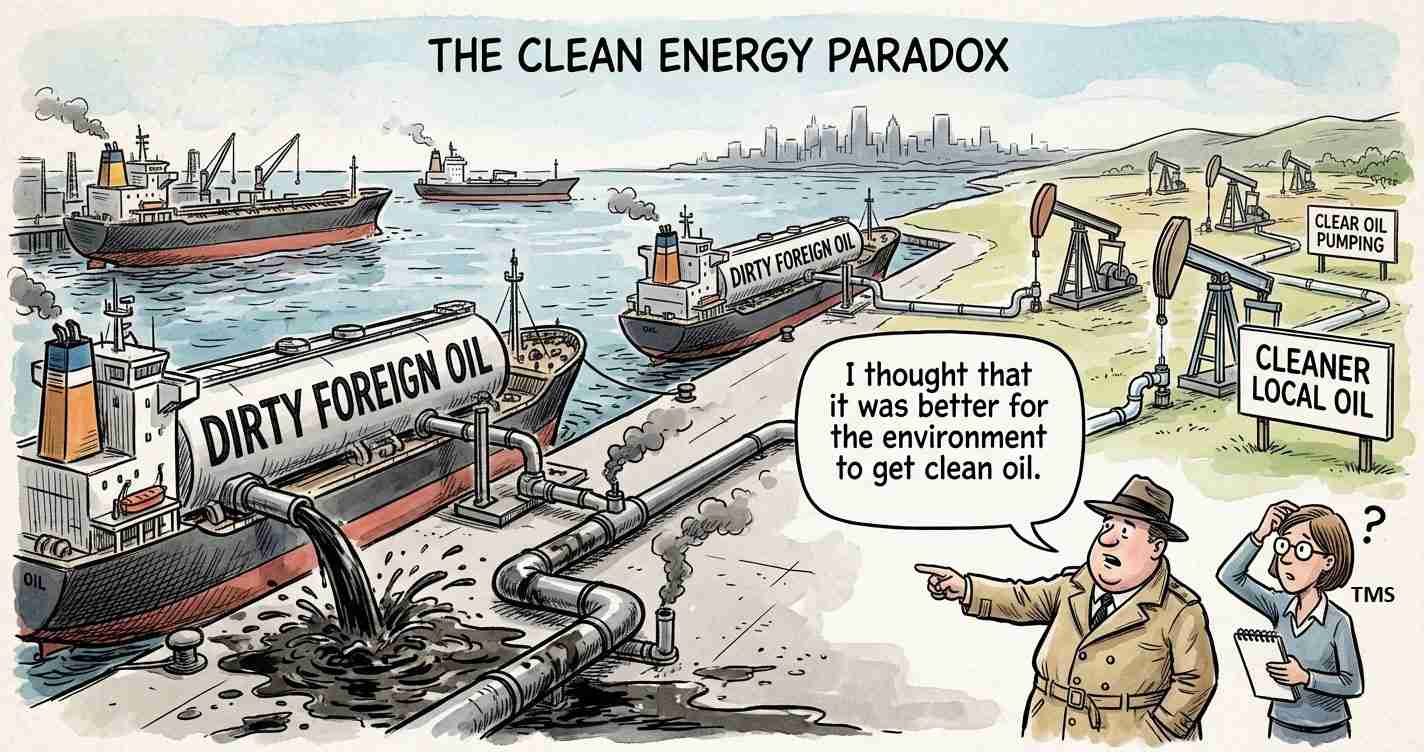
Federal Energy and Interior officials assert that more than 60% of the crude processed in California refineries now comes from foreign suppliers, a mix they say exposes the state to geopolitical risks and chokepoints like the Strait of Hormuz.
Energy Secretary Chris Wright and Interior Secretary Doug Burgum have framed the issue as beyond economics: the Department of Energy’s fact sheet states import dependence “puts U.S. national security at risk.” Wright emphasized that roughly 30 U.S. military facilities in California require secure fuel supplies, and Burgum blamed state policies for shrinking local production and refinery capacity.
“They’re regulating refineries out of existence,”
Burgum said, citing days when Iraq was the top foreign supplier into California as an example of reliance on distant, geopolitically sensitive producers. For original reporting on those comments see Fox Business and additional coverage at VibeTrader.
The Sable Offshore project and the federal move
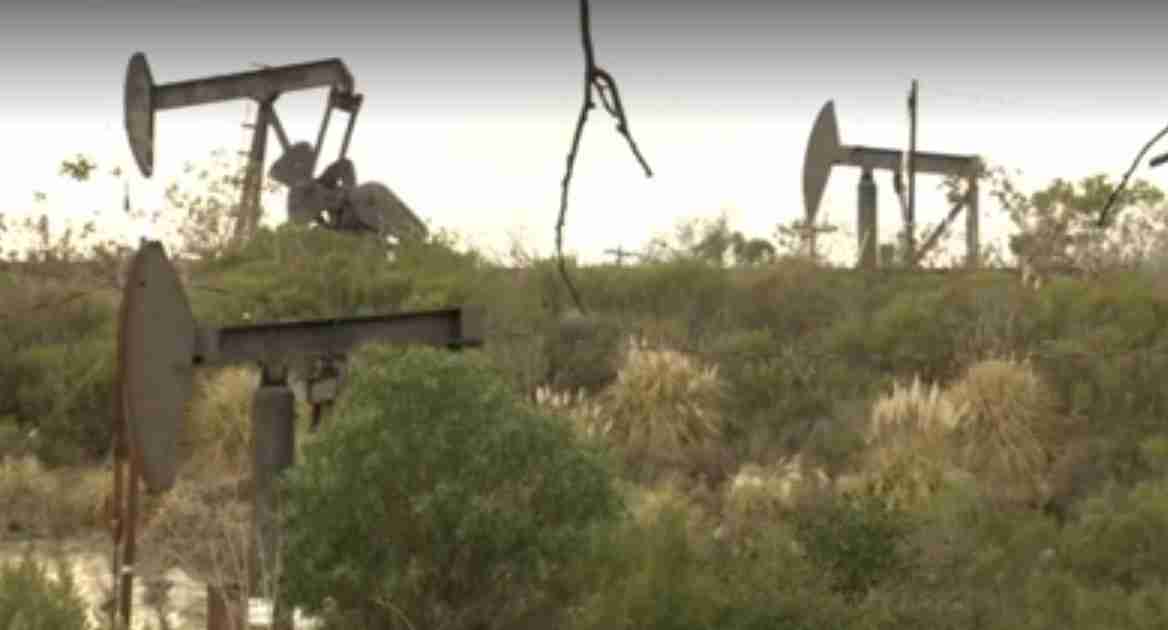
The Sable Offshore system — an offshore pipeline and linked wells near Santa Barbara — was taken offline after a major 2015 spill that produced heavy environmental damage. State regulators kept the infrastructure offline for safety and coastal‑protection reasons.
This year the Department of Energy and other federal officials moved to use emergency authorities under the Defense Production Act (DPA) to press for restarting Sable, arguing the restart would restore “a pipeline system vital to our national security and defense,” increase in‑state crude supply and reduce dependence on imports that transit risky sea lanes.
California’s response
Governor Gavin Newsom and state officials have sharply rejected the federal action. Newsom called the use of emergency powers “illegal” and a direct threat to state coastal protections, saying the federal move exploits international instability to reopen infrastructure closed after a major spill; the governor pledged to fight the order in court (California governor’s office).
State leaders stress long‑term plans to reduce fossil fuel reliance and protect coastlines, and they cite the 2015 environmental harm to beaches and wildlife as a central reason for keeping Sable offline. See the governor’s statement at the California governor’s office.
Independent analysis and unanswered questions
Outside analysts acknowledge parts of the administration’s claim — that California imports a large share of crude and that in‑state production has fallen — but they caution that the magnitude of any security gain from restarting Sable is not yet clear. Local academics and analysts are conducting numerical reviews of how many barrels per day Sable could add and whether that would materially reduce Middle East imports (UC Santa Barbara analysis / KEYT).
Critics note that energy markets and fuel logistics are complex: even if local crude supply rises, refined product flows and military fuel chains operate on national and global scales, so short‑term impacts on price and availability may be limited. The DOE’s fact sheet makes the national security case, but independent experts call for public quantification of trade‑offs between environmental risk and security gains.
The national security frame and broader policy debate
This dispute sits within a larger policy choice: whether the U.S. should maximize domestic hydrocarbon production to reduce import reliance, or accelerate a transition off fossil fuels for climate and long‑term security. The federal push also raises constitutional questions about when Washington can override state environmental rules in the name of national security (E&E News).
Supporters tie the approach to a broader Trump administration California oil policy that favors expanded drilling and pipelines to lower costs and reduce foreign leverage; critics call such framing political rhetoric and warn claims about peace and stability are not clearly backed by evidence (DOE fact sheet).
Implications for the world
- Global energy markets: Any U.S. action that raises domestic supply can affect global oil prices; a Sable restart would add barrels to the West Coast market and could reduce Middle East imports to California depending on volumes and refinery responses (E&E News).
- Geopolitics and chokepoints: Officials cite the Strait of Hormuz as a key risk; a modest shift away from oil transiting that chokepoint could reduce exposure to disruptions, but impact depends on global shipping and trading decisions.
- Climate and transition policy: International observers will watch whether immediate fuel security is prioritized over climate goals, especially given Sable’s spill history (California governor’s office).
- Legal precedent: Federal use of emergency powers to override state environmental decisions could set a domestic and international precedent about central authority in federations (E&E News).
- Military logistics: Allies will monitor claims that local fuel security affects readiness; independent verification is needed to assess how Sable would actually alter military fuel chains (Fox Business).
Sources
Reporting and documents cited in this article: Fox Business; VibeTrader; E&E News; U.S. Department of Energy fact sheet; California governor’s office; KEYT Santa Barbara reporting / UC Santa Barbara analysis.