Ivanpah’s towers shine — and kill: Inside the Mojave Desert plant at the center of a clean‑energy reckoning
Ivanpah Solar Electric Generating System, a 3,500‑acre Mojave Desert power‑tower plant, faces proposed closure of two units amid debate over high costs, operational limits, natural‑gas emissions and bird deaths caused by intense concentrated sunlight known as solar flux.
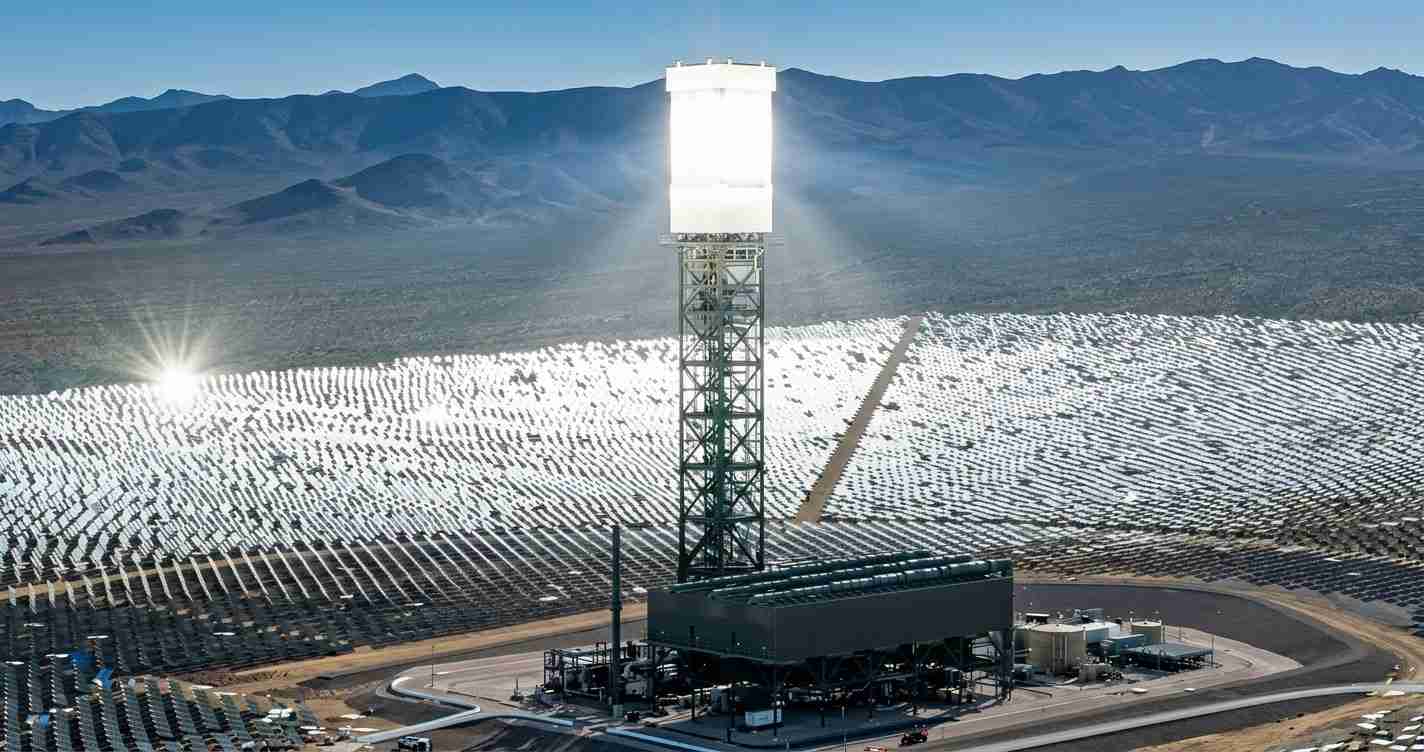
- Facility: Three power‑tower units on roughly 3,500–4,000 acres — Ivanpah Solar Power Facility and project documentation from Bechtel.
- Technology: About 170,000+ heliostats (roughly 350,000 mirrors) focus sunlight on three 450‑foot towers to make steam — details from the U.S. Department of Energy and Wikipedia.
- Wildlife impacts & emissions: Federal monitoring links concentrated sunlight to bird deaths; the plant also uses natural gas daily for startup, producing tens of thousands of metric tons of CO2 annually (Wikipedia).
- Financing & status: Built with federal backing and private investment; operators proposed shutting two units while California regulators weigh grid reliability (Environment & Energy Leader).
How Ivanpah works — and why it stood out
Ivanpah was designed as a showpiece of power‑tower solar technology. Hundreds of thousands of mirrors called heliostats track the sun and reflect light to receivers atop three central towers. The concentrated sunlight heats water to very high temperatures — about 550°C in the original design — producing steam that turns conventional turbines to generate electricity (U.S. Department of Energy).
When it opened in 2014, Ivanpah was the world’s largest solar thermal plant. The project promised utility‑scale clean power and jobs. Developers included BrightSource Energy and Bechtel; the DOE backed the project with a $1.6 billion loan guarantee (DOE).
Performance and daily realities
The three units were sized to produce a combined 386–392 megawatts. In practice, output fell short of initial design targets in early years, then improved to meet some contracted deliveries. The plant supplies electricity under long‑term contracts to utilities such as Pacific Gas & Electric and Southern California Edison (Wikipedia).
Operators rely on natural gas each morning to bring systems up to temperature before sunlight is sufficient — a reality that contributes tens of thousands of metric tons of CO2 annually and complicates claims the plant is wholly emissions‑free.
Solar flux and wildlife: a deadly intersection
“Solar flux” — concentrated beams of sunlight — creates zones of extreme heat and light that have been linked to large numbers of bird deaths and injuries near the towers.
Federal and independent monitoring documented birds flying through concentrated beams and suffering burns or being killed. Insects attracted to the bright towers draw insectivorous birds into risky flight paths; observers reported charred or singed birds near the towers. Plant operators say they monitor impacts and have tried mitigation; critics argue mortality remains significant and sustained (Wikipedia).
Financing, public money and political debate
Ivanpah’s development costs approached roughly $2.2 billion. Federal backing included a $1.6 billion loan guarantee and a reported $539 million Department of the Treasury grant covering about 30% of construction cost. Major private investors included NRG Energy and others (DOE; Wikipedia).
Opponents criticize taxpayer exposure and the plant’s relatively high cost per megawatt‑hour compared with newer solar and battery projects. Supporters counter that early, large projects helped scale the industry and argue for a diverse technology mix.
Closure plans and regulatory choices
In 2025, PG&E moved to terminate contracts for two of Ivanpah’s units, initiating planned closures beginning in 2026 pending regulatory approval. The California Public Utilities Commission has been cautious about forcing a full shutdown because of grid reliability concerns as more intermittent wind and solar come online. Southern California Edison has separately negotiated options for the remaining unit (Environment & Energy Leader; Wikipedia).
Why Ivanpah matters beyond the desert
Ivanpah is a test case for weighing the trade‑offs of large renewable projects:
- How to weigh direct environmental harm to wildlife against greenhouse gas reductions.
- Whether early, publicly backed large projects should be judged by today’s market and technical standards.
- How to regulate novel technologies that create new risks, such as solar flux.
Implications for the world
Economic impact: Decisions about contract terminations, buyouts and federal loans will be watched globally — outcomes may influence future public funding and investor appetite for large green projects (DOE).
Environmental consequence: The bird‑mortality record at Ivanpah has prompted calls for stronger wildlife safeguards in concentrated solar projects and longer‑term, species‑level monitoring (Wikipedia).
Policy and planning: The case highlights the need for flexible regulation that balances ecological protection with grid reliability and lifecycle emissions accounting.
Practical lessons
For planners and investors worldwide, Ivanpah suggests:
- Diversify technologies rather than placing all bets on a single large design.
- Factor wildlife risks into siting, design and budgeting for mitigation and monitoring.
- Include long‑term monitoring commitments in environmental reviews and contracts.
Reporting and sources
Reporting for this piece drew on project documentation, technical summaries and public reporting. Key sources cited:
- U.S. Department of Energy — Ivanpah
- Bechtel — Ivanpah project page
- Wikipedia — Ivanpah Solar Power Facility
- Environment & Energy Leader — coverage of shutdown plans
Bottom line: Ivanpah’s history and current status underline that renewable energy transitions bring technical, ecological and financial trade‑offs — and that early large projects help define how those trade‑offs are managed.