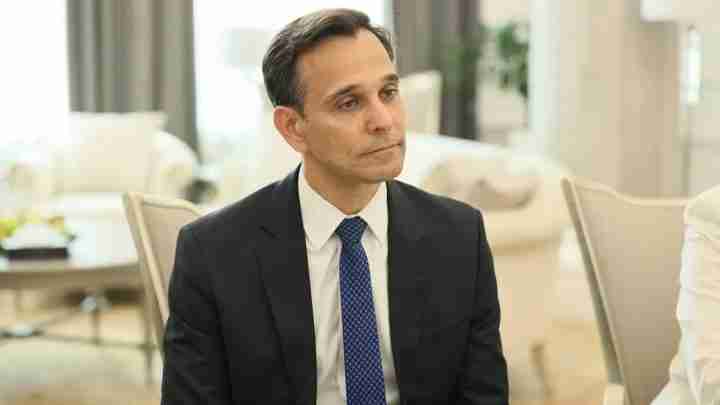
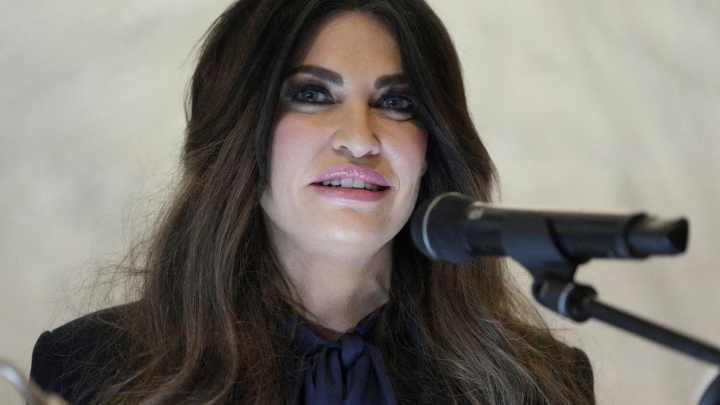
Arcadia mayor’s ex‑fiancé sentenced to 4 years for acting as covert Chinese agent; mayor declines to comment
Yaoning “Mike” Sun, a former campaign advisor to Arcadia Mayor Eileen Wang, was sentenced to 48 months in federal prison after pleading guilty to acting as an unregistered agent of the People’s Republic of China, raising questions about foreign influence in local politics.
- Sentence: Yaoning “Mike” Sun received 48 months in federal prison after pleading guilty to one count under the Foreign Agents Registration Act.
- Role: Prosecutors say Sun ran a local-targeted news site and followed PRC directives while advising a city council candidate who became mayor.
- Mayor: Media reporting identifies “Individual 1” in court papers as Arcadia Mayor Eileen Wang; she has not been charged and declined to comment at a council meeting.
- Sources: Coverage and official statements are drawn from the DOJ news release, the U.S. Attorney’s office for the Central District of California statement, and reporting by CBS Los Angeles.
Case summary and sentencing
Federal prosecutors say Yaoning “Mike” Sun operated from at least 2020 through January 2024 as a covert agent for the PRC, posting pro‑PRC content on a site aimed at the local Chinese‑American community and advising a political candidate while failing to register under the Foreign Agents Registration Act (FARA).
Sun pleaded guilty in October 2025 to one count of acting as an agent of a foreign government without notifying the attorney general. Last week, U.S. District Judge R. Gary Klausner sentenced him to 48 months in prison. Court filings note Sun lived in Chino Hills. The Department of Justice described his conduct as that of a “political operative” and a “covert agent.” (DOJ news release; U.S. Attorney’s office for the Central District of California statement.)
Background and alleged activity
Prosecutors say Sun received and executed directives from PRC government actors to post favorable content and influence local politics through a purported news website targeted to the local Chinese‑American community. He also served as a campaign advisor to an individual identified in filings as “Individual 1.” The public filings do not disclose the website’s name or every directive and contact involved, leaving gaps in the public record. (DOJ; CBS Los Angeles.)
Eileen Wang’s ties and public statements
Media reporting and timing in court documents have led outlets to identify Arcadia Mayor Eileen Wang as the person prosecutors refer to as “Individual 1.” Wang won a city council seat in November 2022 and later became mayor.
“To my fiancé, Mike Sun, who walked streets with me every single day, who is a real leader of me.”
—Eileen Wang, December 2022 city council meeting
After charges were filed, Wang publicly moved to distance herself and later said, “No. 1, he’s not my fiancé. Whoever wants to say he’s my former fiancé, please prove it.” She has not been accused of wrongdoing and declined to comment at Arcadia’s first council meeting after Sun’s sentencing. (CBS Los Angeles.)
Legal framework: what is FARA?
FARA — the Foreign Agents Registration Act — requires individuals acting as agents of foreign governments to register with the U.S. attorney general and disclose their relationships and activities. Acting as an agent without registering is a federal crime; prosecutors say Sun knowingly failed to register while carrying out PRC directives. (DOJ.)
Discrepancies and open questions
Reporting contains some inconsistencies: some outlets list Sun’s age as 55, while a related DOJ release lists him as 65; that discrepancy has not been publicly clarified. Public records do not include the website’s name or the full scope of directives and contacts, leaving open questions about the extent of the operation and whether others were aware of or involved. (CBS; DOJ.)
Local reaction and council dynamics
Arcadia officials held their first council meeting after the sentencing without any public comment from Mayor Wang about the verdict; her silence drew attention from residents and the press. Community responses are split between calls for transparency and caution against prematurely accusing local leaders when no charges have been filed against them. Activists and community groups have urged clearer vetting of campaign advisors and media partners.
Media and community outreach
Prosecutors said Sun targeted the local Chinese‑American community through community‑focused media — a tactic seen in other foreign influence cases. That pattern underscores concerns about funding transparency, the vulnerability of diaspora media, and the need for trusted community journalism and stronger disclosures around political messaging.
Sources and reporting
This article draws from official releases and local reporting, including the DOJ news release on the sentencing, the U.S. Attorney’s office for the Central District of California statement, reporting by CBS Los Angeles, and additional context from National Review.
Implications for the world
The Sun case highlights how foreign influence can reach down to local elections and community media. Key takeaways for policymakers, journalists, and community leaders include:
- Threat to local democracy: Outside actors can shape local contests with targeted messaging and community ties.
- Diaspora media vulnerability: Community outlets may be susceptible to covert influence; support for transparent, independent local journalism is vital.
- Legal and policy lessons: Countries with FARA‑style rules may need clearer enforcement and better cross‑border coordination to detect covert operations.
- Public trust: Links — however indirect — between local leaders and convicted operatives can erode social cohesion; transparent outreach is essential.
- Campaign vetting: Political teams should improve advisor vetting, disclosures, and oversight of behind‑the‑scenes operators.
As communities and officials assess this case, it serves as a reminder that national security and electoral integrity extend to town halls and local media, not just national capitals.