Homeowner Confronts CNN Reporter During Live Brantley County Wildfires Coverage
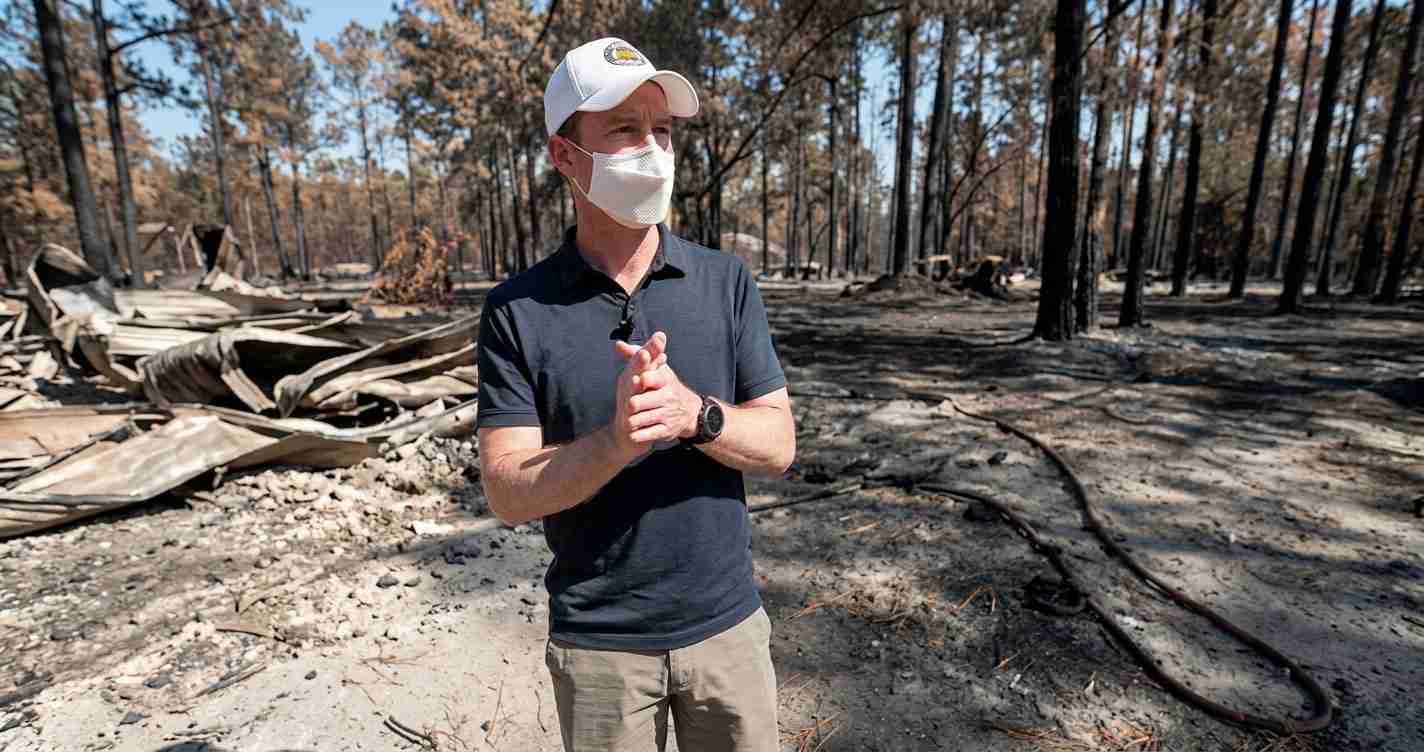
A homeowner in Brantley County, Georgia, angrily interrupted a live CNN report by meteorologist Derek Van Dam during drought-fueled wildfires, ordering the crew off her property as fires scorched more than 34,000 acres and destroyed dozens of homes.
Key takeaways
- Live interruption: A homeowner screamed at the CNN crew to leave, saying, “I don’t want nobody near my house! My dogs are out there. Get away, get away!”
- Calm response: Meteorologist Derek Van Dam de-escalated on camera and the crew exited the scene.
- Hazardous conditions: The fires had burned over 34,000 acres amid drought and shifting winds; crews reported poor air quality and nausea.
- Video and coverage: The clip circulated online and was reported by national outlets, including Fox News and Mediaite.
Live confrontation interrupts wildfire coverage
What happened: Derek Van Dam was reporting live from Brantley County when a homeowner suddenly approached the crew and shouted for them to leave. The exchange shifted the broadcast from a technical update on the blaze to a tense dispute over private property access.
“I don’t want nobody near my house! My dogs are out there. Get away, get away!”
On-camera response: Van Dam responded calmly: “You got it, you got it. We are OK. Yeah, we’re going to leave it here. OK? You got it.” The crew complied and ended the live shot shortly thereafter.
Video of the confrontation spread quickly; national outlets later ran the clip and recapped the brief, tense moment (Fox News, Mediaite). The original video is available as Video of the confrontation.
Fire conditions and the reporting challenge
Scale and speed: Officials reported the blazes had burned more than 34,000 acres and destroyed dozens of homes in southeastern Georgia, with some reports indicating at least 87 homes lost while figures were still being confirmed.
Environmental hazards: Drought, strong winds and sudden wind shifts complicated containment and reporting. Van Dam described a wind change that brought a “putrid chemical burning type smell”, causing nausea and lightheadedness; the crew donned masks on camera as a precaution (Mediaite).
Public safety measures: Local authorities issued mandatory evacuations and curfews in affected areas to protect residents and allow emergency responders to operate with fewer obstructions.
Coverage, public reaction and video circulation
The homeowner-versus-reporter moment attracted attention because it interrupted live coverage and highlighted the emotional toll on residents. The clip was shared widely on social media and picked up by national outlets, including Fox News, Mediaite, and other aggregators (ModernGhana).
In the CNN studio, co-anchor Pamela Brown reacted as the live feed cut away: “Let’s hope Derek gets to safety there.” The line underscored how journalists may also face danger while covering fast-moving disasters.
What remains unclear
Public reports have not identified the homeowner or the exact property involved. There is no public record in initial national coverage indicating whether law enforcement was called after the crew left. Reliable follow-up would require local reporting, law enforcement records, or statements from the homeowner.
Safety, access and the role of journalists
The encounter raises standard but important questions for disaster reporting: balancing the public interest in documenting damage and warning others with residents’ rights and distress. Key principles include:
- Prioritize safety: Keep distance from active fire lines, use protective gear when air quality worsens, and retreat when residents request media to leave.
- Seek consent where possible: When on private land, obtain permission or respect requests to vacate.
- Communicate clearly: Authorities and media should provide timely, accessible information to reduce friction and keep the focus on safety.
In this incident, Van Dam and his crew chose de-escalation and exit, prioritizing safety and the homeowner’s wishes in the moment (Mediaite).
Implications for The World
Economic: Large wildfires strain local economies via insurance claims, rebuilding costs, and potential drops in tax revenue. Transport and agriculture can be disrupted.
Political: Wildfires intensify debate over emergency funding, land management and climate policy; governments face pressure to invest in prevention, firefighting, and resilient infrastructure.
Social and cultural: The confrontation reflects the acute stress residents face—fear for family, pets and property can prompt clashes with media and officials. The homeowner’s insistence on privacy and protection of animals echoes common cultural responses worldwide.
Practical takeaways: Clear evacuation orders, safe zones for first responders and journalists, and accessible public guidance on returns can reduce friction. Media organizations should enforce safety protocols and seek consent when feasible.
Sources and further reading
- Fox News: Homeowner confronts CNN reporter live during wildfire report
- Video of the confrontation
- Mediaite coverage of the interruption
- ModernGhana reporting and video reference
Reporting compiled from Times Media Service and national media videos and accounts listed above.