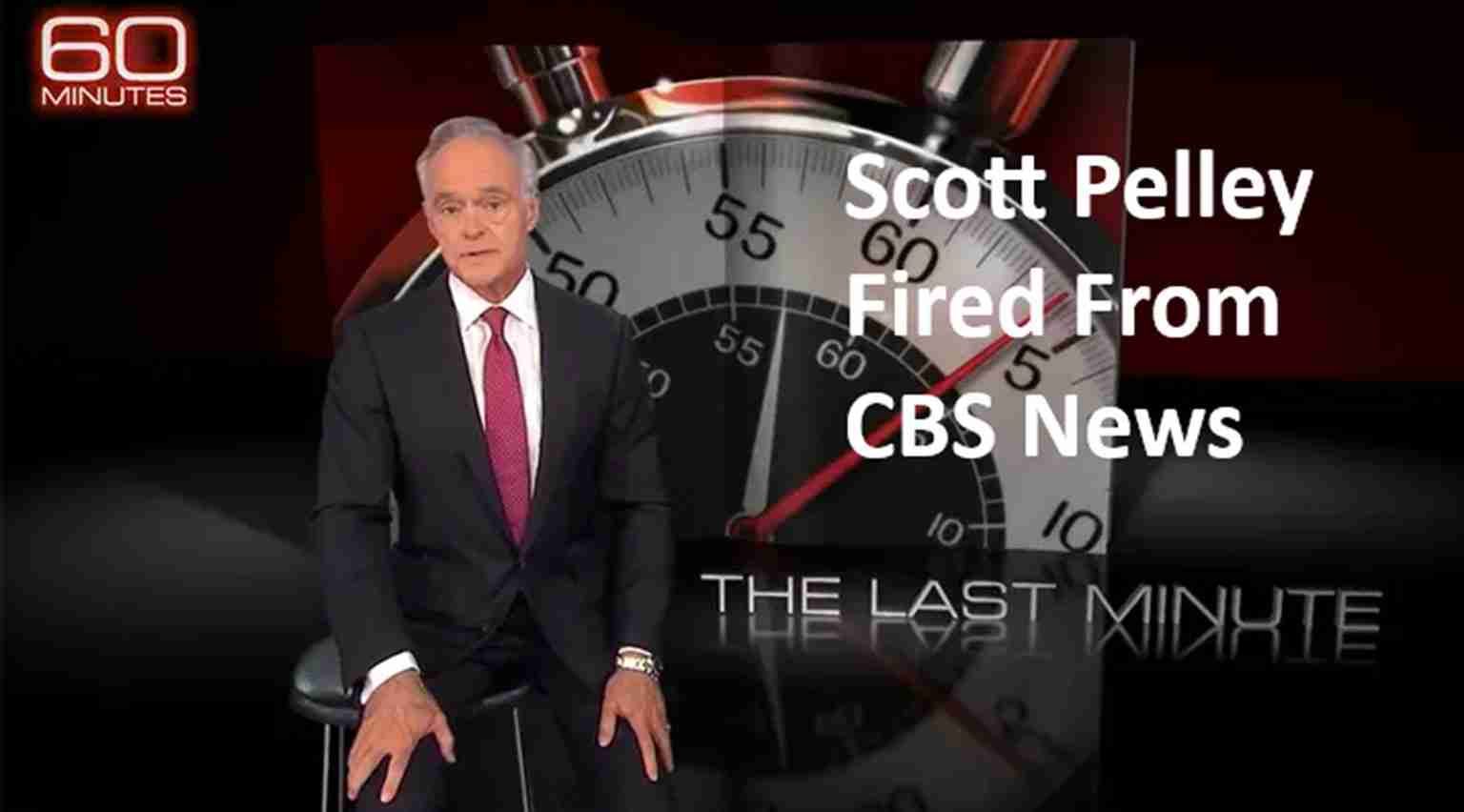
Scott Pelley 60 Minutes Fired Debunked — Separating Verified Reporting from a Viral “Stolen Valor” Narrative
Reports say Scott Pelley was fired from 60 Minutes after criticizing CBS News management, but several viral claims — invoking Bari Weiss, Nick Bilton and alleged combat claims — are unverified, appear fabricated and spread widely online.
Key takeaways
- Verified: Reporting shows Scott Pelley criticized CBS News leadership and was subsequently dismissed, as documented by the LA Times.
- Unverified: Claims that Bari Weiss is CBS News’s editor‑in‑chief, that Nick Bilton became 60 Minutes executive producer, or that Pelley claimed combat service are not supported by mainstream reporting.
- Context matters: CBS characterized the dispute as routine editorial disagreement and denied political interference, according to the LA Times.
Scott Pelley, the firing, and what is verified
Background: Scott Pelley is a veteran correspondent who joined CBS News in 1989 and served on 60 Minutes for decades. Contemporary reporting documents that he publicly criticized CBS News management in the wake of several staff departures.
Core verified elements:
- Long tenure: Pelley’s affiliation with CBS News and 60 Minutes dates back to 1989, as noted in reporting by the LA Times.
- Internal upheaval: The story includes the ouster of the show’s executive producer and at least two correspondents, which triggered Pelley’s public criticism.
- Dismissal: Multiple reports tie Pelley’s firing to escalating tensions after his criticisms; the LA Times is a primary contemporary source documenting those facts.
Claims not supported by credible sources
A range of specific assertions circulating online do not appear in mainstream coverage and lack corroboration. These include:
- Bari Weiss as editor‑in‑chief: There is no credible evidence in major reporting that Bari Weiss holds such a role or directed newsroom operations at CBS News. The LA Times makes no such attribution.
- Nick Bilton as executive producer: Viral posts naming Nick Bilton as 60 Minutes executive producer conflict with reporting that identified Tanya Simon as the executive producer who was ousted.
- Alleged combat claims: Quotations circulated online that purport to show Pelley claiming combat service in Afghanistan, Iraq and Ukraine are not corroborated by reputable outlets; while Pelley has reported from conflict zones, claiming combat service is a distinct and unverified assertion.
Social media backlash and “stolen valor” allegations
Viral amplification: Social threads and isolated posts can create the impression of broad consensus. In this case, searches of mainstream coverage reveal no documented, large‑scale stolen‑valor scandal tied to Pelley’s dismissal.
“The most reliable reporting ties the story to editorial clashes and staff firings, not to a widely reported stolen‑valor scandal.”
Highlight: Treat singular social posts and unnamed attributions with caution until confirmed by multiple reputable outlets.
The role of checking sources
How this mix of fact and fiction forms:
- Core factual event: Pelley’s firing and public criticism are reported by reputable outlets, most notably the LA Times.
- Unverified add‑ons: Names, quotes, and motivations added in social posts often lack supporting documentation and can be amplified without verification.
- Verification steps: Seek corroboration across major outlets (AP, Reuters, NYT, BBC), prefer direct sourcing, and treat single‑post assertions skeptically.
CBS response and editorial context
CBS position: According to reporting, CBS News rejected claims that political interference drove newsroom decisions and described the dispute as normal editorial back‑and‑forth that can occur within newsrooms.
That denial is presented as a central element of contemporary coverage in the LA Times, which does not attribute the denial to any outside figure.
Implications for the world
Economic impact
- Media trust and audience behavior: High‑profile departures can prompt audience shifts that affect advertising and subscription revenue, with downstream effects on journalism investment.
- Corporate oversight: Perceived editorial influence can cause regulators and advertisers to reassess ties with media companies.
Political consequences
- Polarization: Unverified claims added to an internal dispute can deepen political divides and feed skepticism about media independence.
- Policy debates: Allegations of editorial pressure—true or false—can prompt calls for transparency, probes, or new governance rules.
Social effects
- Trust in journalists: Mixing verified events with fabricated specifics erodes public confidence in reporting.
- Impact on veterans and war reporting: False combat claims can harm veterans and undermine legitimate conflict reporting; distinguishing reporting presence from combat service is crucial.
Cultural relevance
Different audiences interpret the episode through varied cultural lenses: some see it as a warning about online reputation shifts, others as an impetus for stronger media literacy programs.
Practical applications for readers
- Verify before sharing: Check multiple reputable outlets and official statements before forwarding explosive claims.
- Follow primary sources: Prioritize reporting with named sources, documents, or direct quotes.
- Support reliable journalism: Subscribing to established outlets helps sustain fact‑checking and investigative reporting that counters misinformation.
Bottom line
Reporting on Scott Pelley’s firing is anchored in contemporary coverage that documents his dismissal after public criticism of CBS News management; many sensational details circulating online — including the Bari Weiss attribution and alleged stolen‑valor claims — are not supported by major outlets and remain unverified. The LA Times is a primary source for the verified aspects of this story.