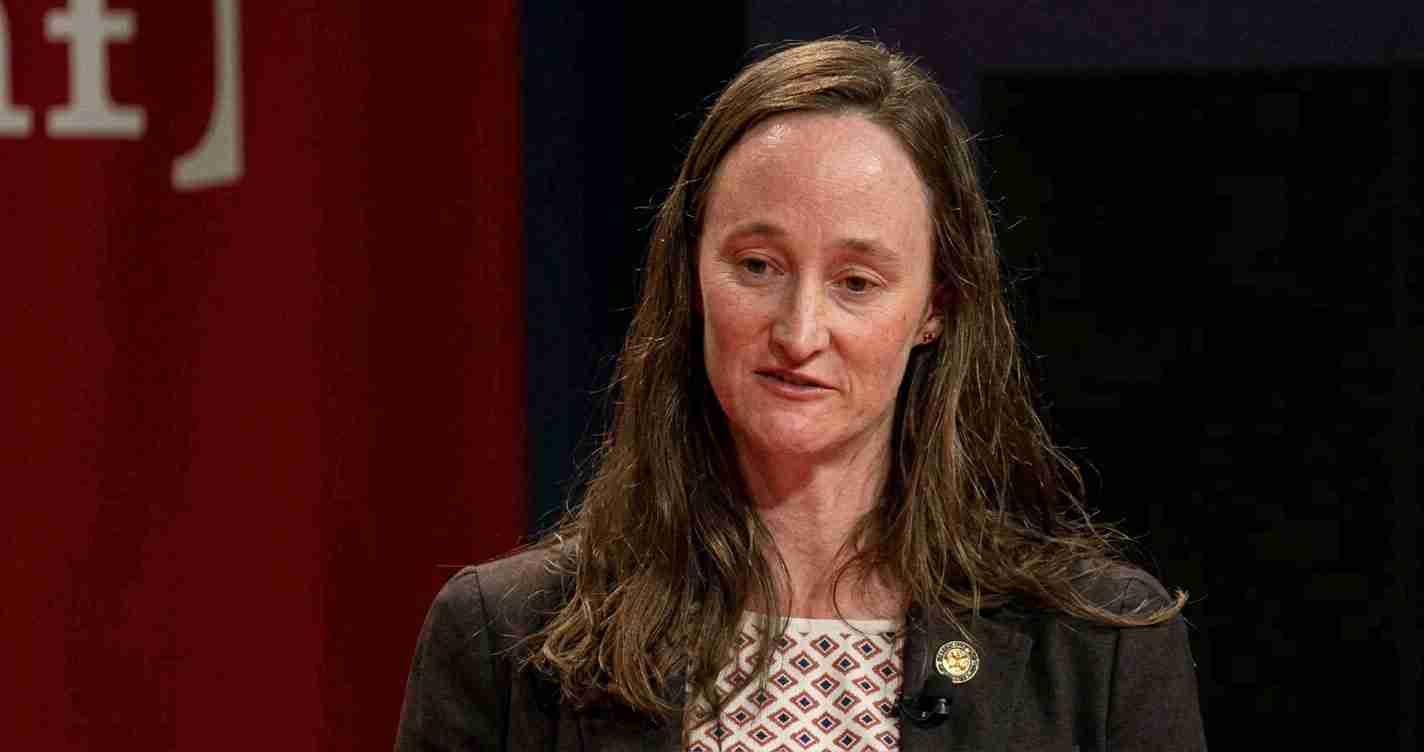
Washington Post Rebukes Elizabeth Warren for Blaming Trump in Monday Night Football Blackout
The Washington Post criticized Senator Elizabeth Warren after she attributed a Monday Night Football blackout to former President Trump — but the interruption resulted from a private carriage dispute between Disney and YouTube TV, a commercial negotiation rather than government action.
- Outage source: Disney-owned channels, including ESPN, went dark on YouTube TV due to a carriage negotiation.
- Warren’s claim: She linked the blackout to corporate consolidation and said Trump had “let them get away with it.”
- Post rebuttal: The Washington Post said the interruption stemmed from a private contract dispute, not specific Trump-era policy.
- Broader stakes: The episode highlights tensions between market negotiations, consumer protections, and calls for regulatory action.
The blackout: what happened and who was affected
What viewers saw: Many YouTube TV subscribers reported that Disney-owned channels such as ESPN and ABC became temporarily unavailable during a Monday Night Football broadcast, cutting off access for some fans and prompting a wave of social-media complaints.
Cause: The immediate breakdown traced to carriage negotiations between Disney — which controls ESPN and ABC — and YouTube TV. Industry reporting noted this was a private contractual dispute over fees and rights (AOL).
Carriage disputes are a regular feature of the television business: when distributor and content owner disagree on pricing, channels can be withheld until a deal is reached, leaving subscribers without programming temporarily.
“When deals stall, channels can go dark for subscribers,” observers noted, explaining these interruptions are typically business negotiations.
Elizabeth Warren’s claims: linking the outage to Trump
Senator Warren publicly framed the outage as symptomatic of *unchecked corporate concentration*, arguing that former President Trump had “let them get away with it,” and that lax oversight enabled consolidation allowing a few companies outsized leverage over consumer access (YouTube).
Her comments connected the immediate blackout to broader concerns about market power and political decisions affecting regulation of large firms — a common progressive critique of media and tech consolidation.
Washington Post editorial board pushes back
The Post’s central response was that the outage resulted from a private-sector contract dispute rather than direct government action or a specific Trump-era policy decision. The editorial board urged care before assigning political blame for what the paper described as a routine commercial bargaining breakdown (AOL).
The board emphasized two points:
- Factual caution: There was no clear evidence tying this specific blackout to deregulation or any concrete policy change.
- Precedent concerns: Immediate calls for government intervention in private deals could set a problematic pattern if used widely.
Explaining the Disney–YouTube TV dispute
At the core was a contract fight over carriage fees and licensing terms. Disney negotiates deals that dictate how streaming platforms pay to carry channels; YouTube TV must weigh those costs against subscriber revenue and competitive pressures.
When terms can’t be reconciled, channels can be withheld, and viewers lose access until an agreement is reached. Industry analysts stressed that such disputes are common in a shifting media landscape (AOL).
Commentary and public reaction
Two main reactions emerged:
- Supporters of Warren’s framing argued the incident illustrates how consolidation gives large owners leverage over access.
- Critics and many editorial writers said blaming a former president for a commercial dispute misreads the mechanics of carriage negotiations and risks confusing cause and effect.
On social media and in user-generated video commentary, many viewers expressed frustration about losing access to a marquee sporting event; others used the moment to debate whether policymakers should step in when large-scale content disruptions occur (YouTube, AOL).
Why the distinctions matter
Diagnosis shapes remedies: If the outage is primarily a private contract dispute, remedies usually include negotiation, arbitration, or market responses — not immediate regulatory mandates. If the problem stems from structural concentration and weak oversight, advocates argue for antitrust enforcement or new rules to protect consumers.
The Washington Post urged that the available evidence pointed toward a contract breakdown, and that government action was not an obvious or necessary remedy in this instance.
Implications for the World
Economic impact
As global audiences shift to streaming, carriage disputes between platform services and major media owners can quickly affect subscription and advertising revenue across borders. Broad sports blackouts highlight vulnerabilities in current distribution models.
Political consequences
Policymakers may face pressure to define when to intervene in disputes that disrupt public access to high-profile content. Political narratives can reframe private commercial events as matters of public policy, potentially prompting hearings or legislative responses.
Social effects
Interruptions to major sporting events generate public anger and can erode trust in platforms and content owners. In many countries, culturally important broadcasts spur calls for stronger consumer protections or alternative distribution rules.
Cultural relevance
The clash underscores tensions between commercial sports-rights models and expectations that key events be broadly accessible. Jurisdictions differ on listing events as nationally important, and this dispute feeds ongoing debates about access.
Practical applications for consumers
Viewers should be aware that carriage disputes can interrupt access; mitigating steps include monitoring provider notices, seeking credits when channels go dark, and considering multiple platforms. Policymakers may pursue clearer transparency and consumer-protection measures.