Hilton accuses Newsom of “fearmongering” over break‑glass plan as California’s top‑two primary looms
Republican Steve Hilton accused Gov. Gavin Newsom of “fearmongering” after Newsom warned of a “break the glass” contingency to prevent Democrats from being shut out under California’s top‑two primary, intensifying tensions in the crowded gubernatorial contest.
Key takeaways
- Newsom warned of a “break the glass” contingency to avoid Democrats being locked out of the November ballot under California’s top‑two primary — he provided no operational details. See Governor’s Office.
- Steve Hilton called the warning “fearmongering,” accusing Newsom of trying to engineer a Democrat‑vs‑Democrat November and urging GOP rival Chad Bianco to exit the race. Coverage includes Fox News and statements posted on X.
- Polling is fluid: some surveys place Hilton ahead or near the top with Democrat Xavier Becerra close behind; RealClearPolitics and Emerson provide current snapshots.
Newsom’s warning and the “break the glass” line
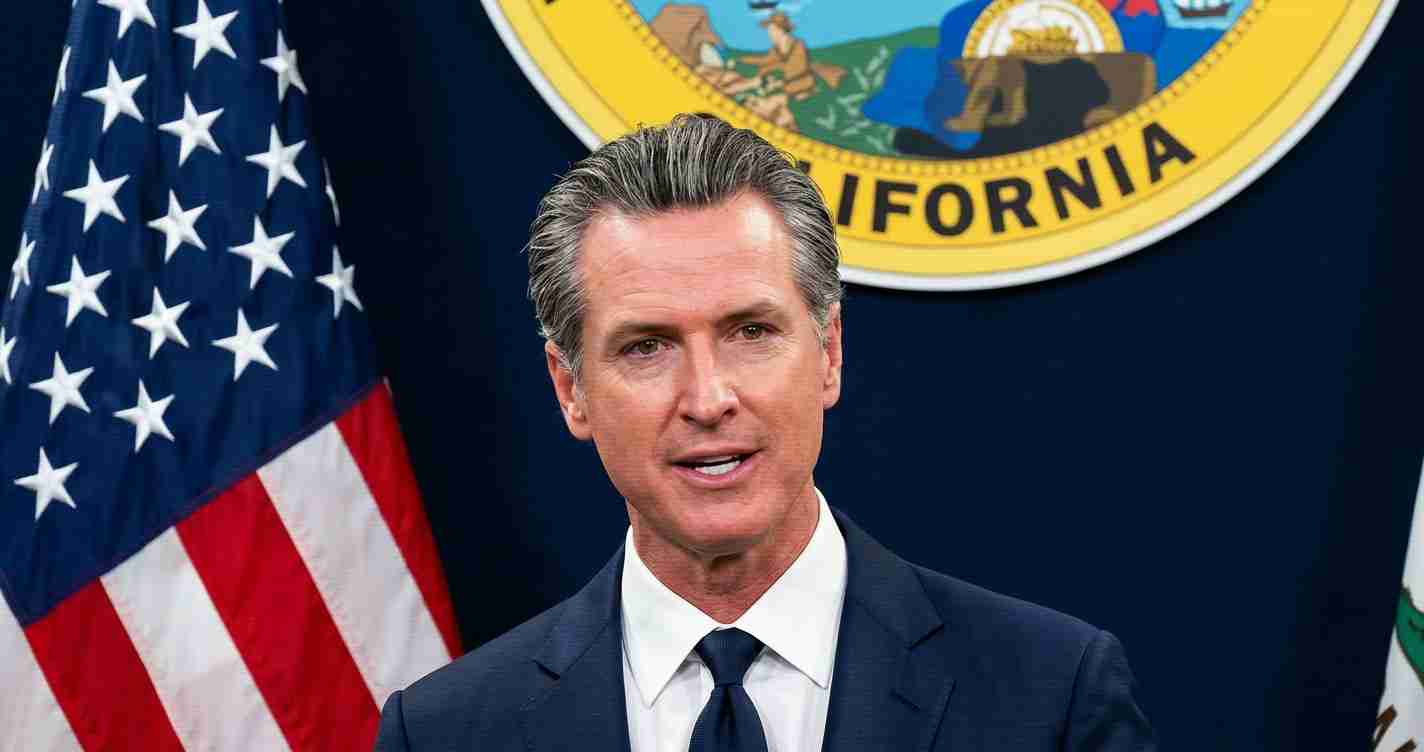
At a press conference last week, Gov. Gavin Newsom cautioned that California’s top‑two primary could produce a scenario in which one party is excluded from the November ballot if a crowded field splits votes. He said he had a contingency — a “break the glass” scenario — to ensure Democrats were not shut out, adding,
“many people understand what such a shutout would look like and we’re going to do everything to make sure that doesn’t happen. I’ll leave it there.”
The governor did not outline specific tactics; official materials are available from the Governor’s Office.
Democratic context and standard campaign planning
Democrats and campaign operatives characterize the comment as routine contingency planning. Political teams regularly model worst‑case scenarios under the top‑two system, shifting resources or persuading weaker hopefuls to step aside when necessary. Local reporting and analysis appeared in outlets including the Sacramento Bee and the Los Angeles Times, which framed the remark as prudent signalling rather than an admission of manipulation.
Hilton’s charge of “fearmongering”
Steve Hilton, a former conservative commentator and a GOP frontrunner in some polls, pushed back publicly. In a statement to Fox News Digital and a video posted on X, Hilton called Newsom’s framing “fearmongering,” accusing the governor of seeking to split Republican voters between Hilton and Chad Bianco to manufacture a Democrat‑vs‑Democrat November.
Hilton urged GOP rival Chad Bianco to exit the race to consolidate Republican votes, arguing Bianco lacked the statewide polling and fundraising to be competitive and that his persistence risked a split lane.
Polling picture and who’s where
The field is unusually large — more than 50 names could appear on the ballot — producing volatility in the polls. Some surveys place Hilton first, with Democrat Xavier Becerra close behind and Republican Chad Bianco trailing in many public polls and fundraising tallies. Aggregators and recent reports, such as RealClearPolitics and Emerson (with reporting on outlets like KTLA), illustrate the shifting landscape.
Election analysts warn that in a fragmented race, late consolidation or erosion can quickly reshape the top two. Richard Winger of Ballot Access News noted this is the first open governor’s contest in years without an obvious frontrunner, increasing anxiety about potential shutouts.
What a “contingency plan” might mean
There is no credible reporting that Newsom or Democrats plan to change law or manipulate ballots. Public reporting and standard campaign practice suggest any break the glass plan would include conventional tactics:
- Late‑stage coordination to encourage weaker candidates to pause or withdraw;
- Rapid reallocation of field and digital resources to boost turnout for priority candidates;
- Independent expenditure groups running targeted ads to lift a preferred Democrat or weaken a rival’s standing.
These measures are common in contests governed by the top‑two rule, where the top two vote‑getters — regardless of party — advance to November. See the California Secretary of State overview of the top‑two primary for background.
Competing narratives: strategy vs. manipulation
Hilton frames Newsom’s warning as partisan maneuvering — “fearmongering” designed to fracture Republican support and produce a Democrat‑only November. Democrats say the warning responds to structural risks, pointing to past examples where crowded fields yielded same‑party general elections for congressional and statewide contests. The debate reflects broader tensions about whether the top‑two system fosters competition or creates incentives that distort representation.
Legal and historical context
California adopted the top‑two primary after a 2010 referendum. The system has on multiple occasions produced November matchups between candidates of the same party, especially in heavily one‑party districts — precedents that feed both genuine procedural worries and political spin in tight, crowded races. See the California Secretary of State for details.
Implications for the world
Economic: California’s political trajectory matters globally. A volatile gubernatorial race can influence investor sentiment across sectors — tech, climate, trade and supply chains — because state policy ripples into global markets.
Political: Gov. Newsom’s national profile and possible 2028 consideration make this contest of interest abroad. How he handles the primary and whether the race becomes a referendum on his record will shape U.S. political narratives internationally.
Social and cultural: Policy choices on migration, housing and public safety have cross‑border influence. The rhetorical fight — whether a warning is prudent or manipulative — underscores larger democratic questions about campaign framing and discourse.
Practical applications for observers
For diplomats, global businesses and foreign governments, the race signals potential shifts in state policy priorities. Observers should track resource reallocations, independent expenditures, and late campaign consolidations as indicators of which candidates may reach November.
Sources and further reading
- Governor Gavin Newsom press materials and news
- California Secretary of State — Top‑Two Primary overview
- Fox News Digital coverage and Hilton quotes
- RealClearPolitics polling averages
- Emerson College / KTLA polling reports (KTLA)
- Ballot Access News (Richard Winger)
- Courthouse News Service reporting on the race
- Los Angeles Times coverage
- Sacramento Bee election reporting
Reporting for Times Media Service.