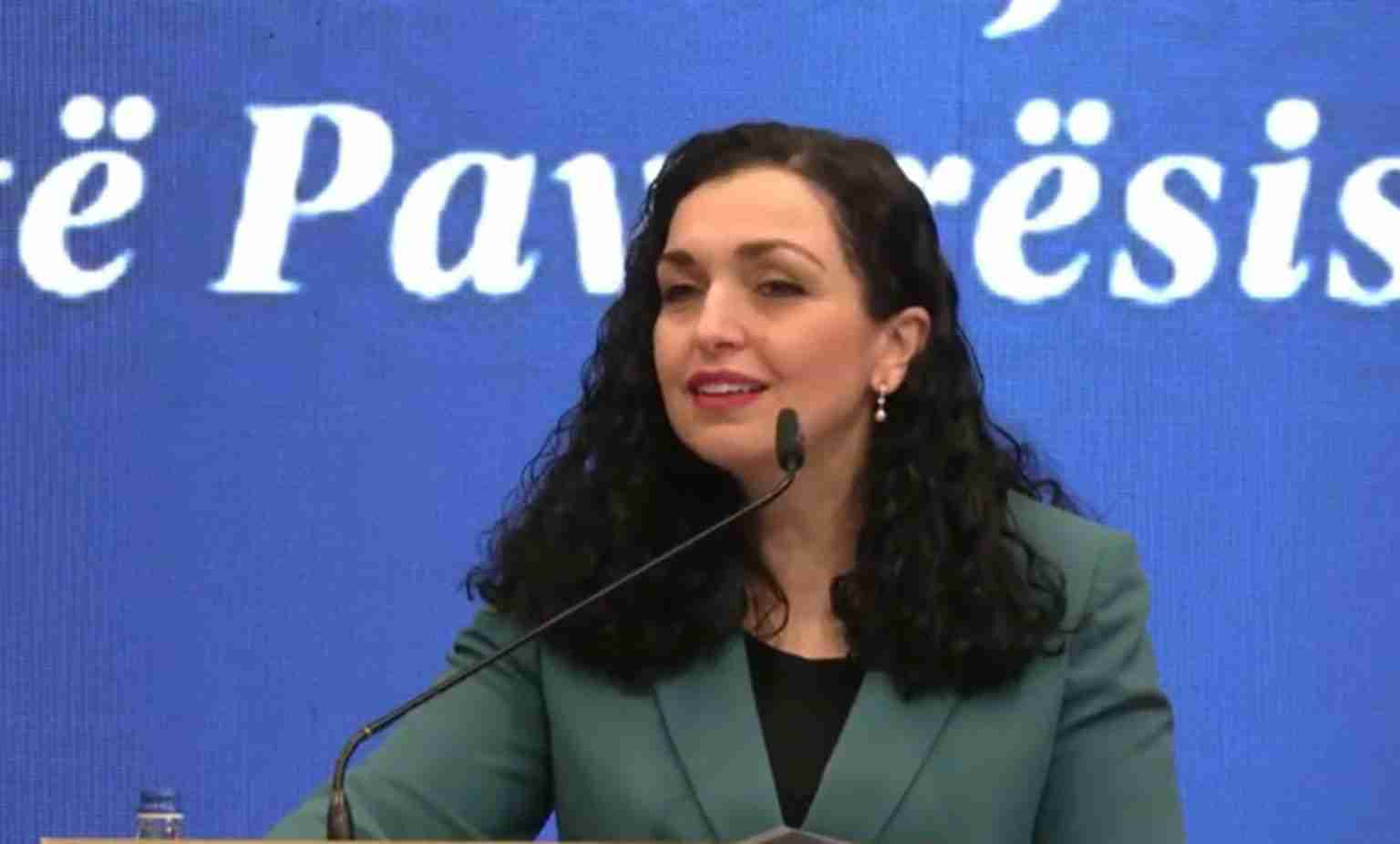
Kosovo constitutional crisis deepens as President Vjosa Osmani dissolves Parliament and calls snap vote
Kosovo plunged into a constitutional crisis after President Vjosa Osmani dissolved Parliament on March 6, 2026, calling snap elections within 45 days when lawmakers failed to elect a successor — a move that prompted legal challenges and intensified a year-long deadlock.
- Snap elections called: President Osmani dissolved the 120-seat Assembly on March 6 and ordered elections within 45 days; legal challenges are underway (European Interest; 2026 Kosovan presidential election).
- Parliamentary boycott triggered the crisis: An opposition boycott on March 5 prevented the quorum to elect a president, collapsing the first round (Wikipedia: 2026 Kosovan presidential election; WSOCTV).
- Deep divisions and legal fight: Prime Minister Albin Kurti’s Vetëvendosje calls the dissolution unconstitutional and has asked the Constitutional Court to intervene; opposition parties say they may accept early elections (EU Agenda; Fox News).
Key information
President Vjosa Osmani issued a decree on March 6 dissolving the 120-seat Assembly after lawmakers failed to meet the quorum needed to elect a new president by a midnight March 5 deadline — coverage and analysis available from European Interest and the Wikipedia summary of the 2026 presidential election.
The first round of the presidential vote collapsed after an opposition boycott, leaving Kosovo without a head of state and prompting the crisis; immediate reporting is available via Wikipedia and WSOCTV.
The dissolution triggers snap elections to be held within 45 days unless the Constitutional Court rules otherwise; the court has accepted a petition to review the case as reported by Balkanweb.
Background: a year of stalemate
Kosovo has been politically stuck for more than a year. Snap elections in February 2025 produced no clear majority and left the Assembly gridlocked, according to analysis by European Interest. A December 2025 vote saw Vetëvendosje win the most seats; a government formed in February 2026 relied on alliances with some ethnic minority representatives but still could not secure the quorum or cross-party support needed to elect a president.
How the crisis unfolded
Parliamentary rules required 80 MPs to attend a presidential vote. On March 5, opposition parties including LDK, PDK and AAK boycotted the session, preventing the quorum for the first round and blocking Vetëvendosje’s nominee, Foreign Minister Glauk Konjufca (Wikipedia; Fox News).
Osmani moved quickly: she proposed constitutional changes to allow direct presidential elections and submitted them for an Assembly vote, but the session failed to proceed. Vetëvendosje then filed a petition with the Constitutional Court seeking suspension of the 60-day deadline that the opposition says should govern the process (Wikipedia; Balkanweb).
On March 6, Osmani used presidential authority to dissolve Parliament and call snap elections. She described the situation as “completely avoidable” and framed the decree as a way to protect state interests and restore functioning institutions (European Interest; WSOCTV).
Legal disputes and constitutional questions
The move has prompted intense legal debate. Legal scholars and some former top jurists argue the president’s decision may be premature because a 60-day window begins after the first failed voting round, during which Parliament should try again to elect a president (Wikipedia).
Former Constitutional Court President Enver Hasani and other experts have accused Osmani of overstepping and “usurping” parliamentary powers.
Vetëvendosje argues the dissolution should be annulled and that the court must enforce MP attendance at the next round. The Constitutional Court has accepted a petition to review the case (K.068/26), but it has not announced a timetable for a ruling (Balkanweb; Wikipedia).
Political positions and domestic reactions
- President Osmani: She maintains she fulfilled her constitutional duty and argued quick elections are vital given a volatile global backdrop (WSOCTV).
- Vetëvendosje & PM Albin Kurti: They call the dissolution unconstitutional and seek court intervention to keep the parliamentary process alive (EU Agenda).
- Opposition parties: Despite boycotting the vote, some opposition leaders say they would accept early elections and have proposed dates as soon as April 5 (Fox News).
- Legal experts: Many warn that dissolving Parliament before the 60-day period may violate constitutional norms and deepen instability (Wikipedia).
Security questions: NATO, KFOR and regional risk
Kosovo’s security situation adds urgency. NATO’s Kosovo Force (KFOR) has patrolled the country since 1999; roughly 600 U.S. troops are part of the multinational presence and the KFOR commander stated in February the United States did not plan reductions at that time (reporting note: statement referenced in local coverage, see Kosovo Online; Fox News).
Osmani framed her decision in light of global conflicts and the need to keep NATO peacekeepers focused: “because the geopolitical situation is complex, it is important to finish this electoral process,” she warned (reported comments summarized in local coverage; WSOCTV).
Analysts say a prolonged crisis could test KFOR’s role and increase tensions between ethnic Albanian and Serb communities; Serbian authorities continue not to recognize Kosovo’s independence, and any instability risks reigniting old grievances (European Interest).
International notes and unverified claims
Some reports and public commentary have tied President Osmani to high-profile international actors and initiatives. Media accounts claimed she cultivated ties with figures in the United States and was praised by former US President Donald Trump; other claims said she accepted an invitation to join a “Board of Peace” and pledged resources for international missions. These specific claims were not corroborated in the reporting reviewed for this article and appear unverified in publicly available sources (Fox News).
Timeline (recent)
- February 2025: Snap elections produce no majority; stalemate begins (European Interest).
- December 2025: Vetëvendosje wins snap elections; government formed in February 2026 with minority partners (European Interest).
- March 5, 2026: First round of presidential voting fails due to opposition boycott (Wikipedia).
- March 6, 2026: Osmani dissolves Parliament and calls snap elections within 45 days (European Interest; WSOCTV).
Sources and reporting
Reporting for this article draws on multiple outlets and public records, including European Interest, the 2026 Kosovan presidential election summary, WSOCTV, Fox News, Balkanweb, Kosovo Online, and analysis collected in EU Agenda.
Implications for the World
- Security: Any lapse in governance could complicate KFOR’s mission and raise the risk of local clashes, drawing NATO allies’ attention (Fox News).
- Regional stability: Serbia-Kosovo tensions remain unresolved; domestic instability risks provoking moves in Belgrade or among Serb communities in northern Kosovo (European Interest).
- Diplomacy and EU integration: Kosovo’s EU path depends on stable governance; protracted legal fights or politicized rulings would complicate Brussels’ engagement (Balkanweb).
- International credibility: Unverified claims about foreign endorsements complicate engagement; partners will press for transparency and legal norms (Fox News).
What to watch next
- Constitutional Court rulings on the dissolution and election timing (Balkanweb).
- Whether the opposition maintains its boycott or returns to a new parliamentary session (Wikipedia).
- Steps by NATO and KFOR to reassure communities and prevent violence (Fox News).
- Any formal international offers to mediate or monitor the Kosovo snap elections 2026 (European Interest).
This is a developing story. Sources cited above provide the basis for this report and include documentation of the events, legal filings and public statements shaping the crisis.