
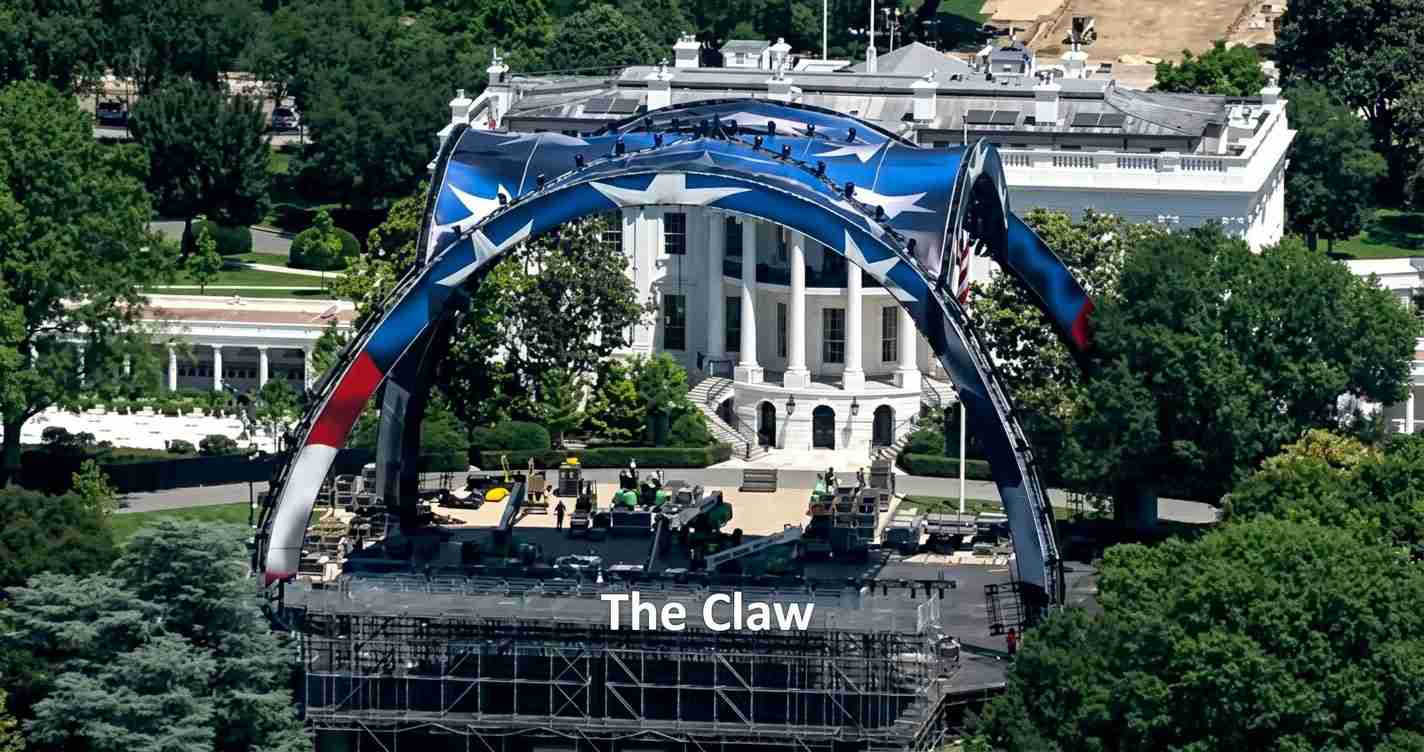
DOJ tells judge critics can “avert their gaze” as Trump White House UFC fight faces last‑minute legal challenge — UFC Freedom 250 White House at center of dispute
The Justice Department urged a federal judge to reject an emergency bid to stop the UFC “Freedom 250” on the White House South Lawn, arguing plaintiffs delayed and can “simply avert their gazes” as preparations and millions in sunk costs continue.
Key takeaways
- Event: UFC “Freedom 250” set for June 14 on the White House South Lawn, expected to seat about 4,000 and tied to President Trump’s 80th birthday and the U.S. semiquincentennial.
- Lawsuit: The Public Integrity Project filed for an emergency injunction against the National Park Service and Department of the Interior, arguing improper use of federal property and skipped environmental review.
- Government defense: DOJ and the White House argue the suit is untimely, note alleged sunk costs exceeding $60 million, and say critics can avoid the event rather than seek an injunction.
- Legal stakes: Case centers on standing, irreparable harm, timeliness, NEPA compliance and NPS permitting rules before U.S. District Judge Amit P. Mehta.
What the event is
UFC Freedom 250 White House is being presented as a full UFC card staged on the South Lawn, featuring an Octagon framed by a large steel canopy — reported as an 87–90‑foot‑tall arch nicknamed “the claw” — and a lighting grid. Temporary seating is planned for roughly 4,000 spectators, and the UFC has said it will repair damaged grass after the show.
Sources: YouTube coverage; YouTube coverage; TIME
How the match came about
UFC president Dana White and President Trump have a longstanding personal and public relationship. White confirmed the deal after a White House meeting, declaring “The White House fight is on.” The administration says the event was first announced by Mr. Trump in July 2025 and has been planned for months, with more than a dozen UFC planning visits to Washington for logistics and staging. TIME reported the promotion expects to lose about $30 million on the event, describing it as a prestige moment linked to national anniversary celebrations.
Sources: YouTube; YouTube; TIME
The White House UFC lawsuit: plaintiffs’ claims
The Public Integrity Project, on behalf of two Virginia residents, sued the National Park Service and the Department of the Interior seeking an emergency injunction to stop the June 14 event. The complaint alleges the arrangement is a “fundamentally private commercial corrupt use” of national monuments, citing preferential access tied to Mr. Trump’s friendship with Dana White. Plaintiffs contend federal permitting rules were ignored, NEPA environmental reviews were skipped, and an alleged semiquincentennial exception was used to circumvent standard process. They also argue the scale of the claw may have required specific congressional authorization.
Sources: YouTube; YouTube; Instagram reel
Administration and DOJ response
The Department of Justice filed forceful responses and urged U.S. District Judge Amit P. Mehta to reject the emergency request. DOJ lawyers say the challenge is untimely, point to visible preparations for weeks and allege sunk costs exceeding $60 million. The filings emphasize travel plans by attendees and fighters’ final weight cuts as evidence that stopping the event now would cause major disruption. DOJ attorneys wrote that plaintiffs are not personally compelled to witness the fight and suggested the complaint reflects political disagreement rather than a viable legal injury, stating critics could “simply avert their gazes for the weekend.”
A White House official labeled the lawsuit “obstructionist, baseless, and dilatory.”
Sources: CNN Facebook; YouTube
Legal arguments in play
At the preliminary-injunction stage the case turns on standing, irreparable harm, and timeliness. Legal experts observe emergency injunctions are difficult to obtain when large events are days away and significant preparations are underway. The administration is expected to press standing and laches arguments, asserting private citizens lack a concrete, redressable injury and that plaintiffs delayed too long. Plaintiffs must show both a clear legal violation of NPS rules or NEPA and that last-minute relief is necessary to avoid harms not remediable later. The court imposed a tight briefing schedule; plaintiffs must file a final brief by 9 p.m. Wednesday.
Sources: YouTube; CNN Facebook
Regulatory and ethical dimensions
Plaintiffs point to NPS regulations that restrict sporting events on federal parklands and argue organisers sidestepped permitting and NEPA procedures. They also raise potential conflict‑of‑interest concerns tied to the president’s relationship with the promoter and to an alleged stock purchase in TKO Group Holdings, UFC’s parent company — a claim the administration disputes and which has not been adjudicated. The dispute highlights how rules governing public space and ethics reviews are tested when administrations host large, commercial-style events on grounds traditionally reserved for official ceremonies.
Sources: YouTube; YouTube; Instagram
Broader context: sport, politics and spectacle
Observers say the event sits at the crossroads of sport, politics and presidential pageantry. Supporters portray the match as a patriotic spectacle tied to America’s 250th anniversary; critics call it commercialization of an iconic federal space and a blurring of private interests and public authority. TIME’s reporting underscores the long history between Dana White and Mr. Trump and frames the fight as both symbolic and personal.
What happens next
Judge Amit P. Mehta has not yet ruled on the emergency request. If plaintiffs cannot show a high likelihood of success and irreparable harm, courts are unlikely to block the event at the last minute. Nevertheless, the lawsuit demonstrates how administrative process, ethics and policy questions can quickly move into the courts when high‑profile events intersect with public interests.
Source: CNN Facebook; YouTube
Implications for The World
- Political optics and norms: International observers may view the dispute as part of a broader debate over how modern presidencies use official space and how private relationships shape public events. TIME contextualizes those concerns.
- Rule of law and administrative process: The case highlights how NEPA and NPS permitting rules can become flashpoints with global attention when high-visibility events are contested.
- Diplomacy and image: A major sporting event on the White House lawn is an unconventional backdrop for diplomacy; allies and media will watch how U.S. institutions balance spectacle, legal process and ethics.
- Practical implications for global audiences: Tourists, foreign media and international rights holders tracking the event may face sudden changes if courts intervene.
Reporting and sources
Reporting on the White House UFC lawsuit is ongoing. For filings and further coverage, see primary sources and reporting below:



