
Trump administration calls last‑minute “UFC Freedom 250” lawsuit an attempt to “spoil the event”; DOJ urges judge to reject challenge
Lede: A federal emergency suit seeks to stop “UFC Freedom 250” on the White House South Lawn, alleging improper use of federal parkland, missing NEPA review and lack of congressional authorization; the DOJ calls the bid untimely and politically motivated.
Key takeaways
- Event: UFC Freedom 250 is planned for June 14 on the White House South Lawn with temporary seating and large rigging.
- Plaintiffs: Two Virginia residents, represented by the Public Integrity Project, filed an emergency injunction to halt the event.
- Defendants & response: The suit names the U.S. Department of the Interior and the National Park Service; the DOJ calls the filing eleventh‑hour and urges the court to reject it, saying plaintiffs could “avert their gazes.” Administration officials say over $60 million has been spent.
Main story
What the event is
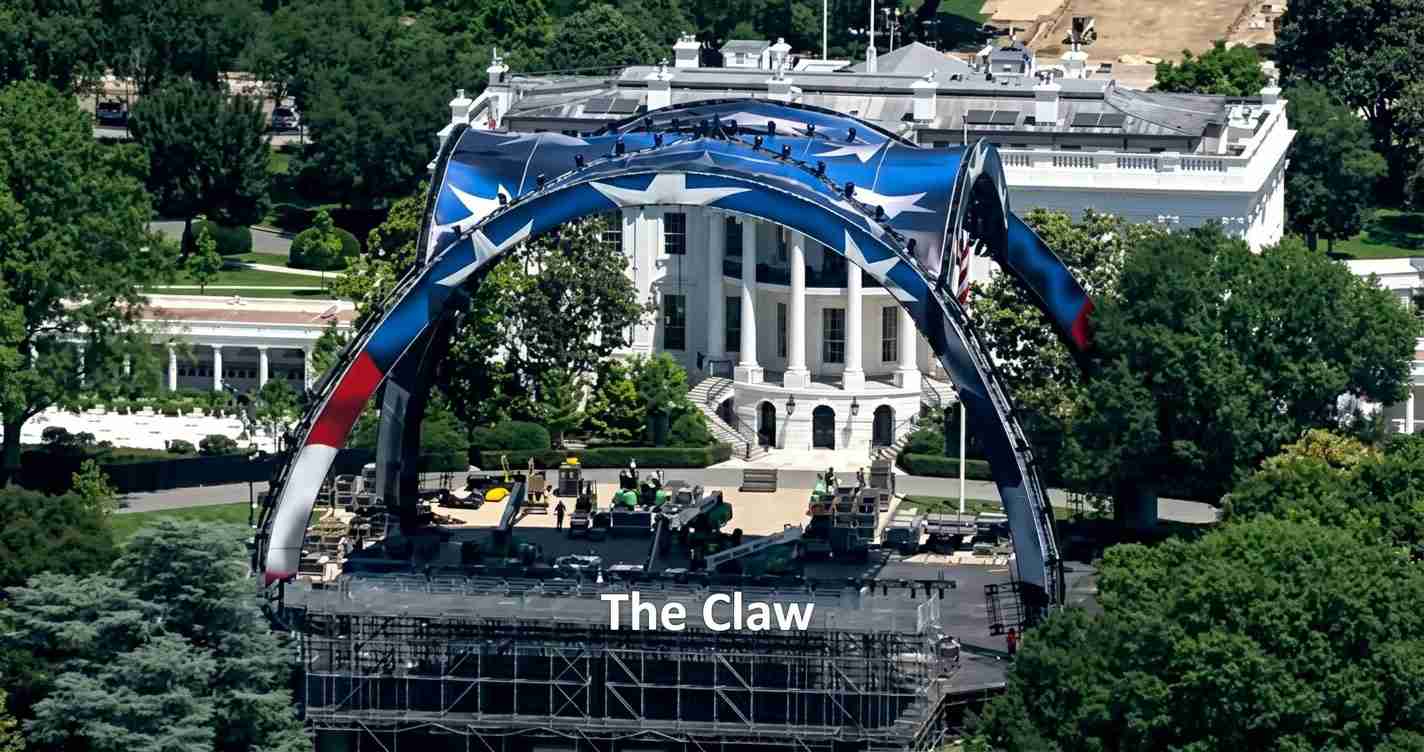
The Trump White House coordinated with UFC officials to stage a major fight card billed as “UFC Freedom 250” on the South Lawn for June 14 — flagged as both Flag Day and President Trump’s 80th birthday and tied to the nation’s 250th anniversary celebrations. Dana White confirmed the deal and described the match as a high‑profile patriotic spectacle. Organizers plan temporary seating, extensive lighting and an 87–90‑foot steel “claw” structure for production needs.
Card and production details
Reporting indicates the headline bout is expected to feature Justin Gaethje vs. Ilia Topuria. UFC production teams have made numerous planning visits to Washington to coordinate logistics and security; organizers say the unusual lighting canopy and staging are to support broadcast scale beyond typical events. UFC executives have committed to cover any damages to the South Lawn caused by installation and teardown. Source reporting includes an interview where production specifics and planning visits are detailed: Dana White interview.
The UFC White House lawsuit: claims and legal theories
The complaint, filed with an emergency application for a preliminary injunction, names the Interior Department and the National Park Service as defendants. Plaintiffs assert that the event and its structures:
- Violate rules governing federal parklands and NPS regulations that bar certain sporting uses on the National Mall and related federal grounds (ESPN reporting).
- Were approved without required environmental review under NEPA for what plaintiffs call a “major federal action” (ESPN reporting).
- May exceed congressional authority because of the tall “claw” installation and major construction without explicit authorization (ESPN reporting).
- Misuse special semiquincentennial authority, asserting the match does not qualify under temporary rules for 250th‑anniversary events (ESPN reporting).
- Raise ethics and conflict‑of‑interest concerns tied to the president’s relationship with UFC CEO Dana White and potential personal financial benefit from holdings in TKO Group (YouTube report, DOJ briefing clip).
Administration and DOJ response
DOJ attorneys and White House officials have responded sharply, filing briefs that argue the suit is untimely and politically motivated. The government emphasizes reliance interests — more than $60 million allegedly spent and thousands of attendees already traveling — and warns that an emergency injunction would cause heavy harms to organizers, fighters and the public. The DOJ filing also challenges plaintiffs’ standing and criticizes the request as an attempt to use emergency relief to impose “idiosyncratic preferences.” Reported clips of the brief include the phrase that plaintiffs could simply “avert their gazes.” See primary coverage and DOJ excerpts: DOJ clip, ESPN reporting.
How the plaintiffs frame the harm
The two Virginia residents, via the Public Integrity Project, say they suffer both as users of public parkland and as citizens harmed by allegedly unlawful government action. Their lawyers state that converting a civic space into a private commercial spectacle, failing to secure environmental review, and ignoring permitting rules disfigures the South Lawn and risks permanent damage unless installation is halted and reversed. Plaintiffs also underscore ethics concerns around access and potential private gain associated with the event (ESPN, YouTube coverage).
Legal and practical outlook
Legal analysts say the injunction faces high hurdles: courts rarely cancel large, complex events at the last minute without clear statutory violations and evident irreparable harm. Challenges include proving standing for individual plaintiffs and meeting procedural requirements on an accelerated timeline. If a judge orders an injunction, an appeal would be likely, potentially moving the dispute into higher courts even as preparations continue. Judges traditionally weigh government reliance interests when significant sums and logistical commitments exist (analysis clip, ESPN).
Broader context and precedent
The dispute reflects longstanding debates over commercial uses of the White House footprint, the reach of NEPA and NPS rules, and whether special anniversary authorities can justify private spectacles on federal land. It raises ethics questions about private ties to political leaders and whether such relationships should limit commercial activity on state venues. Observers note the episode follows a pattern of blending political pageantry and commercial spectacle that has sparked scrutiny in earlier disputes (Time interview, ESPN).
Implications for the world
Economic: A White House spectacle draws global media attention and potential commercial spillovers; broadcasters, advertisers and sponsors tied to the UFC could incur costs or losses if canceled. Organizers have described the match as a prestige, loss‑leader event (Time, ESPN).
Political: International audiences may view the dispute as a test of U.S. institutional checks and the rule of law when executive venues host private events; courts’ responses will be watched for willingness to intervene in politically charged, time‑sensitive conflicts.
Social & cultural: The fight highlights tensions over national symbols and who controls civic spaces. The selection of a mixed‑martial‑arts card as a semiquincentennial spectacle spotlights cultural divides about national identity and the balance between pageantry and commercial entertainment (Time).
Practical applications: Governments and event planners globally will watch whether U.S. courts block an event already underway. A plaintiff win could reinforce strict permitting, NEPA review and congressional oversight; a government win could encourage faster, flexible permitting but spur calls for clearer rules to prevent last‑minute litigation (ESPN).
Source links for reference
- https://www.espn.com/mma/story/_/id/48993111/lawsuit-seeks-shut-ufc-white-house
- https://time.com/article/2026/05/26/dana-white-ufc-white-house-fight-interview/
- https://www.youtube.com/watch?v=ZexDhFa00-E
- https://www.youtube.com/watch?v=tDht9LfNw1k
- https://www.facebook.com/cnn/posts/two-virginia-residents-have-filed-a-lawsuit-to-halt-next-weeks-ufc-fight-on-the-/1381347530524561/
- https://www.instagram.com/reel/DZWMgqSDiS1/
- https://www.facebook.com/groups/WrestlingMMAForum/posts/27217375794592857/



