McEnroe’s Pickleball Put‑Downs and Paychecks: The Tennis Great’s Public Love‑Hate with a Fast‑Growing Sport
John McEnroe publicly derides pickleball’s sound, spectacle and TV appeal, yet routinely accepts high‑paying exhibition appearances — a contradiction that spotlights money, media and turf battles between tennis traditionalists and a booming, accessible athletic newcomer now.
Key takeaways
- Contradiction: McEnroe criticizes pickleball’s look and broadcast appeal while taking large fees to appear in events.
- Debate: His comments fueled a wider Tennis vs pickleball argument about participation, courts and culture.
- Money and media: Rising paydays and TV interest complicate traditionalist critiques and local planning decisions.
What McEnroe is saying — and where it comes from
Plainspoken and theatrical, McEnroe has repeatedly been blunt about pickleball in interviews and TV spots. He has said he is “not a convert to pickleball” and — in a widely quoted line —
“I think it sucks.”
He has also mocked repeated claims that pickleball is the fastest‑growing sport, saying he can only roll his eyes when he hears it.
Those quips and critiques have circulated widely in sports coverage and fan forums, including reporting by The Dink and the Miami Herald, where his emphasis on aesthetics and broadcast appeal is highlighted.
The Bouchard exchange and the “sell‑out” charge
On an alternate French Open broadcast, The MacZone, McEnroe and his brother Patrick interviewed tennis‑turned‑pickleball player Genie Bouchard. McEnroe mocked the sport even as Bouchard noted he’d played it. He admitted to playing a few weekends for large paydays and framed those appearances as performances rather than a conversion — feeding a narrative that he is both critic and paid participant.
Reporting and clips of the segment have been cited in coverage and on sites such as The Dink and the Miami Herald, which note how appearance fees shape the conversation.
Money on the table: exhibitions and the Pickleball Slam
High‑profile exhibitions have offered significant purses and TV exposure. One example, The Pickleball Slam, was a made‑for‑television event that attracted veteran tennis stars and large paydays — intensifying the irony of stars critiquing a sport while cashing checks to appear.
Coverage of those events, including analysis on The Dink, emphasizes how financial incentives complicate public criticisms.
What McEnroe admits he likes
McEnroe has not dismissed pickleball entirely. He has said it can be fun, social and an “equalizer” for players who lack top‑level athleticism. He’s also acknowledged that some people discover tennis after trying pickleball — a point that undercuts absolute dismissal and hints at a potential bridge between the sports.
How fans and the sports world respond
Reactions split along familiar lines: traditionalist tennis fans often echo McEnroe’s complaints about sound and spectacle; pickleball fans and promoters stress accessibility and growth. Critics call McEnroe’s tone gatekeeping, while others view his barbs as consistent with his “Bad Boy” persona — and entertain audiences.
Viral clips and fan threads track the exchange, including references to his theatrics at events and debates hosted on forums such as the Tennis Warehouse thread and video clips discussed on YouTube. See the fan forum discussion and the Pat McAfee interview clip for context.
Tennis courts, community politics and the turf war
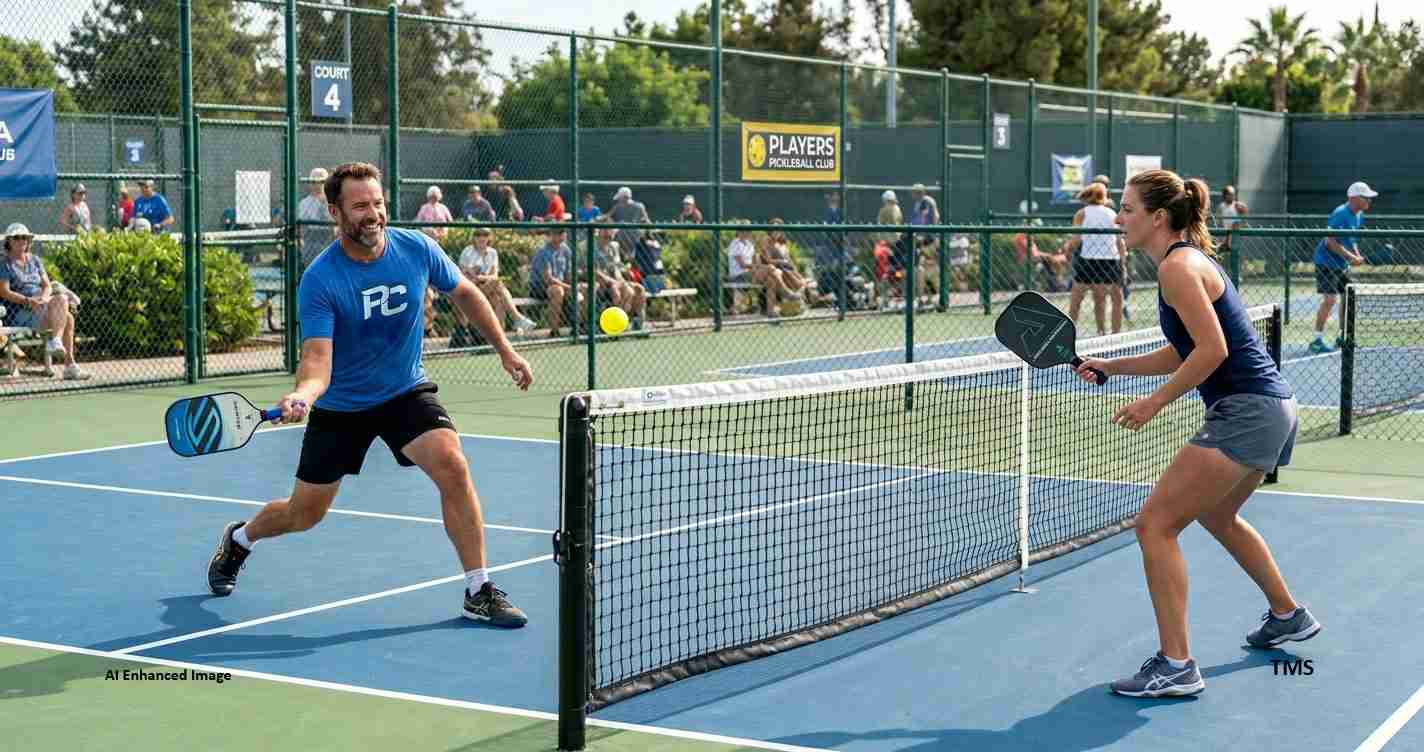
A central, practical flashpoint is courts: cities and clubs face mounting requests to convert underused tennis courts into multiuse or pickleball courts. For some tennis purists, conversions represent a loss of heritage and playing space; for municipal planners, adding pickleball lines can meet local demand and broaden participation.
Solutions include shared scheduling, dedicated pickleball facilities, or multi‑court complexes to reduce conflict — strategies local leaders should weigh alongside long‑term maintenance costs.
Broadcasting and the question of spectacle
McEnroe questions whether pickleball makes for lasting, mass‑market TV. Promoters counter with rising viewership for marquee events and celebrity matchups. Skeptics point to the game’s pace, sound and close‑net exchanges as potential limits for long broadcasts compared with tennis’ full‑court drama.
Implications for the World
Economic impact: Pickleball’s rise creates new paydays and commercial opportunities for retired athletes, broadcasters and promoters, reshaping career options and dividing sponsorship and media investment.
Political consequences: Local governments must decide how to allocate public space and budgets for courts, often prompting community debates and sometimes contentious local politics.
Social effects: The sport broadens access to racket sports and can boost physical activity across ages, while also raising tensions where tennis has deep traditions.
Cultural relevance: The debate reflects shifts in sport taste, spectacle and nostalgia; voices like McEnroe’s embody the old guard’s skepticism even as new games gain traction.
Practical applications: Clubs and planners can reduce conflict through scheduling, investment in dedicated facilities and policies that balance demand and preservation of tennis infrastructure.
Reporting and sources
This account draws on reporting and clips of McEnroe’s media appearances, coverage of high‑profile pickleball events and commentaries on the tennis‑pickleball debate. See reporting and video for context and direct quotes:
- The Dink — profiles and reporting on McEnroe’s comments and appearances.
- Miami Herald — column and coverage of McEnroe’s remarks and the sport’s growth.
- Pat McAfee interview clip referencing McEnroe’s views.
- Viral pickleball incident clip and McEnroe theatrics.
- Fan forum discussion tracking reactions and threads.
Reporting note
Note: McEnroe’s public stance mixes sincere critique and performance. His comments have become a touchstone in the wider Tennis vs pickleball debate — one that touches on money, media, public space and evolving ideas about what sport looks and sounds like going forward.