Three Bay County beaches under health advisory after tests find high enterococci levels
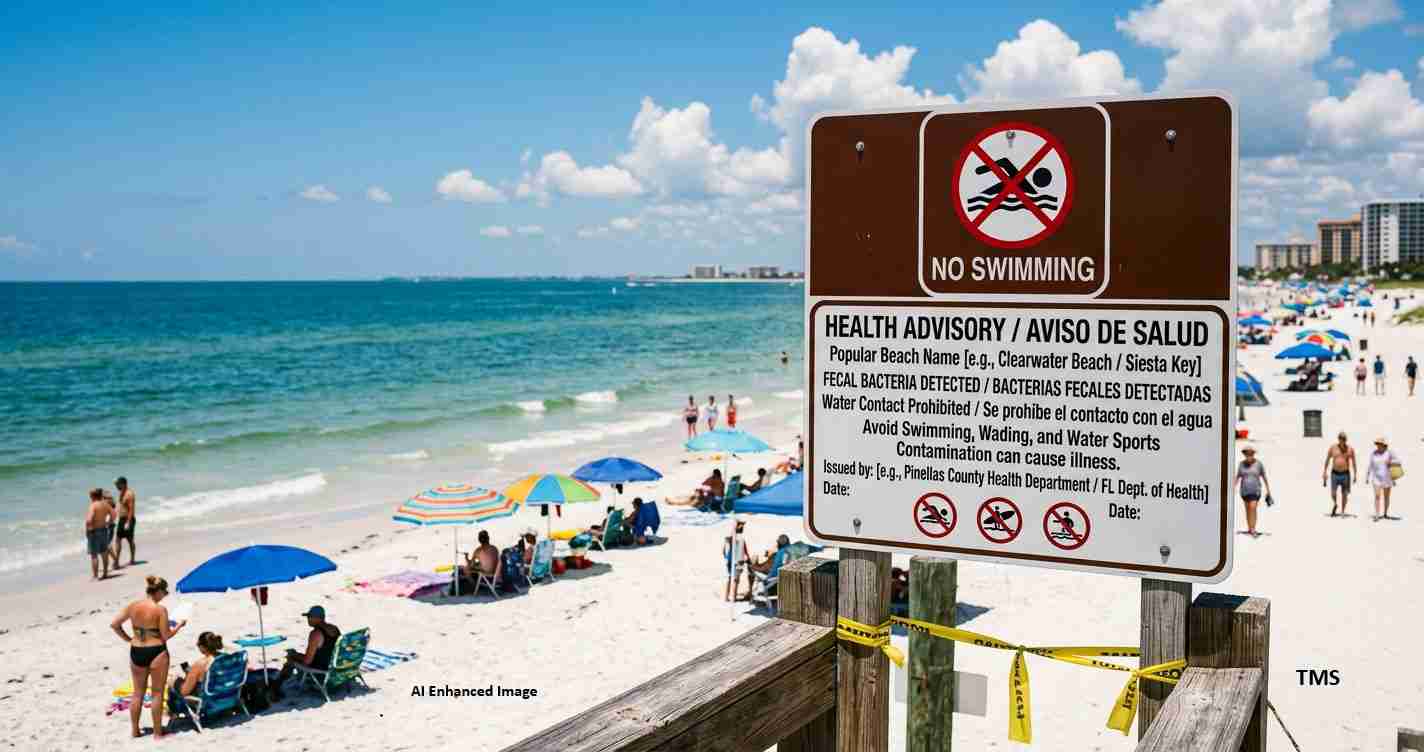
Three popular Bay County beaches—Laguna Beach, Beach Drive and Carl Gray Park—are under a health advisory after tests detected elevated enterococci levels; officials warn against swimming or water contact until follow-up testing shows bacteria levels are within safety limits.
Key takeaways
- Beaches affected: Laguna Beach, Beach Drive and Carl Gray Park (Panama City Beach area).
- Status: Health advisories issued; beaches remain open for walking, sunbathing and other dry‑shore activities.
- Risk: Elevated enterococci, an indicator of fecal contamination that can increase illness risk from water contact.
- Advice: Avoid swimming, wading or otherwise entering the water at the three sites until follow-up tests confirm safety.
Main content
What happened: tests, advisories and local guidance
Bay County health officials issued advisories on Tuesday after routine sampling detected enterococci levels above state and federal thresholds for recreational waters. The Florida Department of Health in Bay County says the advisory warns the public of increased risk from water contact but does not close the shoreline or park access. People may continue to use the beaches for walking, sunbathing and other dry‑shore activities, but are urged not to swim, wade, or otherwise enter the water at the three named sites until testing shows levels have returned to acceptable standards.
What enterococci are and why they matter
Enterococci are bacteria that live in the intestines of warm‑blooded animals and are commonly found in fecal matter. Public health and environmental agencies use enterococci counts as an indicator of potential fecal contamination because high counts raise the chance that pathogens capable of causing illness are present. For background, see the U.S. Environmental Protection Agency guidance.
How enterococci reach the nearshore zone
Multiple routes push fecal bacteria into surf zones. Stormwater runoff is common: heavy rain washes animal waste, raw sewage overflows, failing septic systems and other contaminants from streets, yards and natural areas into storm drains and coastal waters. Bay County has seen excess rainfall recently and flash flooding has been a concern — conditions that make runoff spikes more likely. Local officials cite these dynamics when explaining sudden rises in bacterial counts.
Health risks from swimming in contaminated water
The Florida Department of Health in Bay County notes that elevated enterococci levels increase the risk of swimming‑related illnesses. Common effects include gastrointestinal symptoms (nausea, vomiting, stomach pain, diarrhea), ear, nose and throat infections, skin rashes, and wound infections if bacteria enter cuts or abrasions. Most otherwise healthy people who become ill experience mild, short‑lived symptoms; risk is higher for those with open wounds, weakened immune systems, or chronic conditions.
Why the beaches are still open
An advisory signals elevated risk but is not the same as a formal closure under Florida practice. The advisory warns people to avoid water contact while leaving shore access intact for non‑water recreation. Full closures are reserved for more severe hazards or extraordinary contamination events. The county continues to monitor the affected sites and will update the advisory status after follow‑up sampling shows whether enterococci levels have fallen below state and federal criteria.
Monitoring and how long the advisory may last
Advisories remain in effect until testing shows bacteria counts meet safety criteria. Many Florida beaches are sampled weekly or biweekly, with extra sampling after heavy rain or abnormal results. County health officials will conduct follow‑up tests on the affected beaches and lift the advisory only when results show enterococci levels have returned to acceptable levels. Current advisory status and sampling results are posted on the county’s beach safety page.
What officials are telling the public
Health authorities advise people to “shore it” — remain on the beach — if they have open cuts, a weakened immune system, or chronic health issues. They recommend avoiding swallowing water, rinsing off with fresh water after any incidental contact, and seeking medical advice if symptoms appear after exposure. The county emphasizes that an advisory does not guarantee illness, but elevated bacteria increase the chance of infection; follow county guidance for precautions.
Other coastal health concerns to watch
Bay County officials note additional risks monitored separately from enterococci: Vibrio vulnificus, a naturally occurring bacterium in warm, brackish water that can cause serious wound infections, and algal blooms (including red tide) that affect swimmers and people with respiratory problems. These distinct issues add context to how officials manage and communicate coastal health risks.
How to stay informed
To follow updates for Laguna Beach, Beach Drive and Carl Gray Park, check the Florida Department of Health in Bay County Beach Safety / Water Programs page. For technical background on bacterial indicators and beach quality, consult the U.S. EPA guidance on enterococci and E. coli.
Implications for the World
Though local in scope, the advisory touches on global themes: public health surveillance, tourism impacts, climate resilience and coastal management. Routine testing and transparent advisories protect people and build trust; tourism can be affected when visitors avoid water contact; heavy rainfall and runoff link to infrastructure and climate challenges; and microbial indicators remain central to environmental monitoring standards worldwide.
Practical takeaways for travelers and coastal residents
- Check local health department pages before entering the water.
- People with open wounds, chronic illnesses, or weak immune systems should avoid water contact when advisories are posted.
- Local officials should maintain monitoring, communicate results promptly, and consider infrastructure upgrades where runoff and sewage systems are problematic.
Reporting and sources
This report is based on information and guidance from the Florida Department of Health in Bay County (Beach Safety / Water Programs) and U.S. Environmental Protection Agency materials on enterococci.
Note: Beaches remain open for non-water activities; avoid water contact at Laguna Beach, Beach Drive and Carl Gray Park until follow-up testing clears the sites.