Le’Veon Moss retires four days after signing with Miami Dolphins, raising questions about injuries and NIL money
Le’Veon Moss, a 23-year-old Texas A&M running back, retired from the NFL on May 12, 2026, four days after signing with the Miami Dolphins, prompting questions about his past injuries and possible NIL‑related financial security.
Key takeaways
- Quick exit: Moss signed as an undrafted free agent on May 8, 2026, then was placed on the reserve/retired list on May 12, 2026, per the Miami Dolphins.
- Medical red flags: He suffered a torn ACL and MCL in 2024 and an ankle injury in 2025, widely cited as the primary reason he went undrafted.
- Financial questions: Reporting indicates roughly $258,000 in guarantees on his UDFA deal that teams can seek to recoup if a player retires immediately.
- NIL context: Speculation exists that NIL earnings could provide a financial cushion, though there is no public record confirming Moss’s NIL income.
Main content
The signing, the retirement and what is known
Transaction timeline: Moss signed with the Miami Dolphins as an undrafted free agent on May 8 and was placed on the reserve/retired list on May 12, 2026.
No public statement has come from Moss, his agent, or the team explaining the move. There are no verified reports of a new injury sustained at Dolphins rookie minicamp; instead, journalists point to his college medical history — notably the ACL/MCL tear in 2024 and an ankle injury in 2025 — as the likeliest drivers of the decision.
“The Dolphins announced the roster move and provided a recap of his college career, but offered no explanation beyond the transaction,” per team materials and media reporting.
College career, draft profile and medical red flags
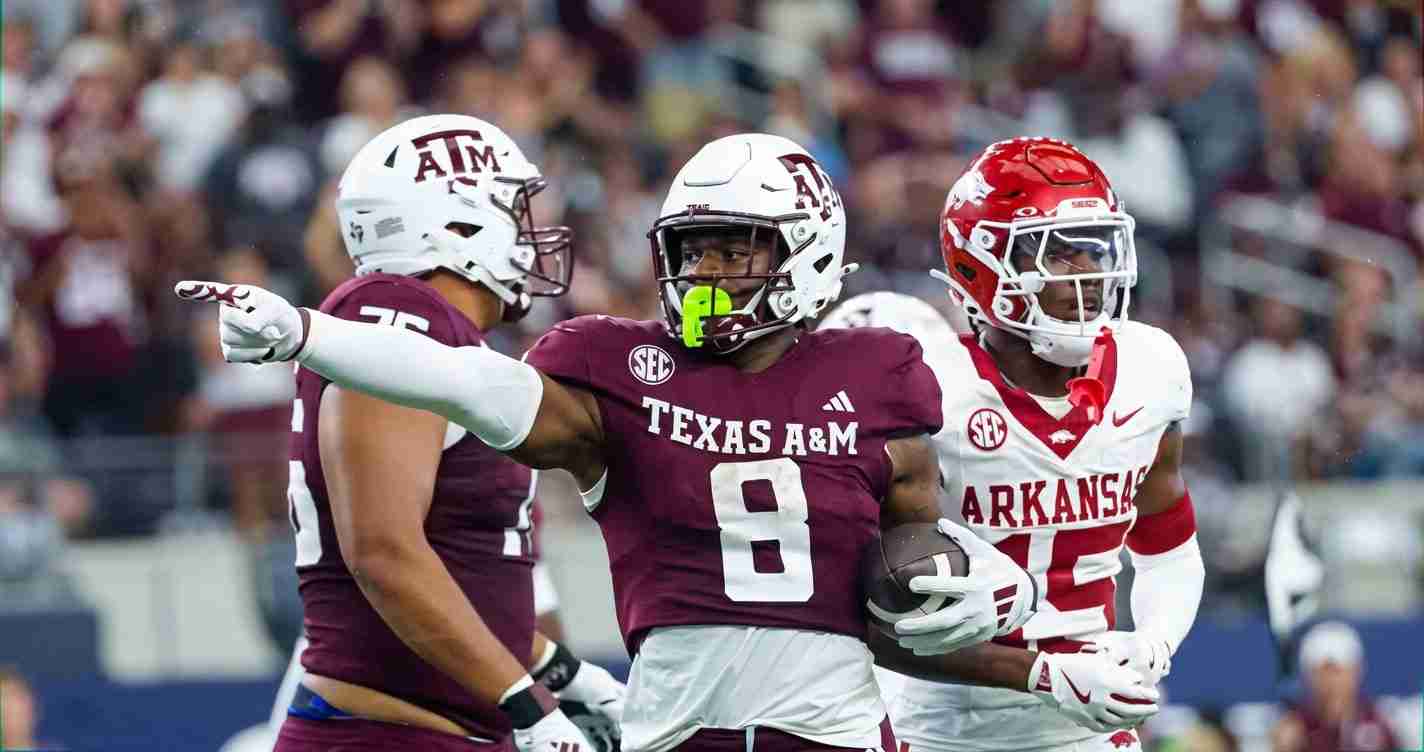
Moss emerged at Texas A&M as a strong finishing back with burst, balance and contact toughness. Across 32 games he had 321 carries for 1,767 yards (5.5 YPC) and 22 rushing TDs, plus 24 catches for 236 yards, and earned All‑SEC second team honors in 2024, per Texas A&M athletics.
Scouts praised his tools but repeatedly flagged his medicals. A torn ACL and MCL in 2024 and a 2025 ankle injury interrupted his production and almost certainly contributed to him going undrafted, according to scouting reports and film breakdowns.
Why the Dolphins looked like a good fit
Miami entered the 2026 offseason with openings and room for competition at running back. For an undrafted signing like Moss, the Dolphins’ roster profile — including a need for depth behind starter De’Von Achane — created a plausible path to meaningful snaps, as reported by team previews and analysts.
Guaranteed money and the repayment question
Barry Jackson of the Miami Herald reported Moss’s UDFA contract included roughly $258,000 in guarantees. Standard NFL contract terms and the collective bargaining framework allow teams to seek repayment of unearned guarantees when a player retires immediately.
UDFA guarantees typically combine small signing bonuses and roster guarantees that vest only if the player remains with the team; when retirement happens quickly, teams often have contractual recourse.
NIL, financial cushion and modern choices for college stars
Since 2021, Name, Image and Likeness deals have created new revenue streams for college athletes. Texas A&M players operate in a robust NIL market, and some observers have argued that meaningful NIL earnings can reduce pressure to accept low‑security NFL paths.
There is no public record of how much Moss earned from NIL or whether NIL income influenced his decision; any suggestion that NIL played a role remains speculative without confirmation from Moss or his representatives.
Why injuries remain the most likely cause
Running backs rely on lower‑body health. An ACL and MCL tear can reduce explosiveness and raise re‑injury risk; combined with an ankle issue and limited recent game reps, those medical realities often lead players and teams to reassess NFL prospects.
Given the documented injury history and lack of alternate explanations, most reporting and expert commentary point to medical concerns as the primary factor in Moss’s abrupt retirement — while acknowledging that other personal or off‑field reasons cannot be ruled out.
What Moss’s departure means for the Dolphins’ rebuild
For Miami, the sudden loss of a competition candidate at running back is an early offseason wrinkle. UDFAs are cost‑effective ways to add competition; Moss’s retirement means the Dolphins will continue seeking depth and may accelerate other evaluations or signings.
Implications for The World
Economic impact: Moss’s case highlights how NIL has altered athlete incomes and career calculus. Sports economists and league officials will watch whether NIL‑era athletes increasingly prioritize health and local earnings over uncertain pro careers.
Political consequences: The episode underscores tensions between amateur protections and professional labor markets, prompting policymakers and regulators to consider athlete compensation, healthcare, and post‑career support.
Social and cultural effects: The decision spotlights athlete welfare and may shift public expectations about duty of care in contact sports, especially in nations where sport is a path to social mobility.
Practical applications: Agents, colleges, and teams may respond by improving medical transparency, contract clarity on guarantees and repayment, and financial education for college athletes.