Viral bodycam shows Lake Worth Beach traffic stop — deputy cites woman for phone in “right hand” though she lacks one; citation later dismissed
A Palm Beach County deputy stopped adaptive athlete Kathleen Thomas in Lake Worth Beach after alleging she used a phone with her right hand — a limb she does not have; the $116 citation was later dismissed following review.
Key takeaways
- Kathleen Thomas, 36, an adaptive athlete and influencer, was cited for texting while driving by a Palm Beach County deputy; she posted the bodycam clip that went viral. CBS News and CBS12
- The stop occurred in February on North Dixie Highway in Lake Worth Beach; Thomas showed her right forearm ends at the elbow, making the alleged action physically impossible.
- The $116 citation under Florida’s wireless-communications law was entered and later dismissed at the deputy’s request after statutory and citation-software review.
Main report
Bodycam exchange and public reaction
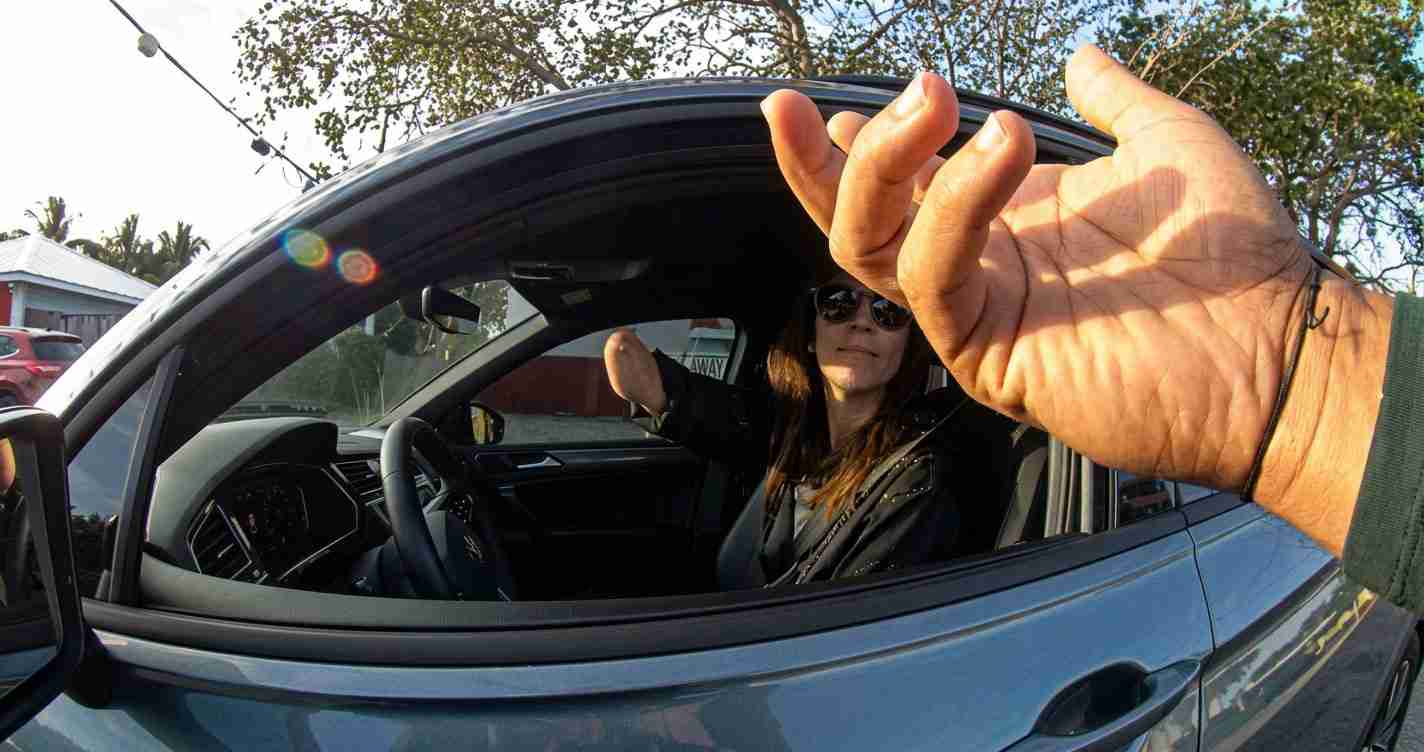
Body camera footage, posted by Thomas and shared widely, captured a dissonant exchange in which the deputy repeatedly said he had seen Thomas manipulate a cellphone with her right hand. Thomas rolled down her window and emphatically showed her right forearm, which ends at the elbow, and repeatedly laughed at the claim.
On the recording the deputy asks, Hand to God, you did not have your phone in your hand?
Thomas responded with a raised right arm, Hand to God.
The deputy continued pressing, saying he thought he “saw” her hand. The clip’s tone — a mixture of disbelief and incredulous laughter — helped it amass millions of views and wide criticism online.
Disability advocates stressed the clip highlighted everyday misunderstandings faced by people with limb differences and urged better training and awareness for officers to avoid similar incidents.
Sheriff’s office response and legal posture
Teri Barbera, a Palm Beach County Sheriff’s Office spokesperson, said the deputy stopped Thomas based on a real-time observation. After reviewing Florida statutes and the way the office’s citation software labels violations, the office determined the citation should be dismissed. Barbera cited differences between Florida Statutes 316.305 and 316.306 as relevant to how violations are categorized and enforced.
The office emphasized that officers must act on what they observe in real time and that motorists retain the right to contest citations through the judicial process.
Court records and the deputy’s role
Public records reviewed by local reporters show a $116 ticket was entered into the system and later dismissed. According to local reporting, the dismissal occurred at the request of the deputy who issued the ticket after additional statutory review clarified how the alleged violation should have been labeled in the citation software. The sheriff’s office reiterated the deputy acted on a visual observation at the scene.
Legal context: Florida laws cited
Barbera referenced Florida Statutes 316.305 and 316.306 in explaining the dismissal. In brief, those statutes address prohibited uses of wireless communication devices while driving and definitions relevant to enforcement. Officials said ambiguity between statutory wording and the citation-software categories contributed to the decision to dismiss the charge.
Local setting and background
The stop took place on North Dixie Highway, a busy corridor in Lake Worth Beach, a coastal city in Palm Beach County. Thomas, who has a public profile as an adaptive athlete and social media influencer, was driving when she was pulled over. Local outlets described the video as awkward and painful to watch for many viewers as it spread on TikTok and other platforms.
Why the clip resonated
Several factors contributed to the clip’s virality:
- Visual contrast: a driver visibly showing the absence of a right hand while an officer insists otherwise.
- Tone: Thomas’s laughter and the deputy’s repeated insistence created a jarring dynamic.
- Broader themes: questions about policing accuracy, split-second observations, and everyday barriers faced by people with limb differences.
Implications for the world
Economic impact
Direct financial effects were minor: the $116 citation was dismissed and did not generate fines. However, the case underscores potential costs to police agencies from liability, training, and software audits when enforcement actions are later questioned.
Political consequences
The episode feeds broader debates about policing standards, transparency, and accountability. Viral bodycam footage in many countries can quickly become a political flashpoint and prompt policy reviews of training, camera use, and correction mechanisms for erroneous enforcement.
Social effects
The clip raised global awareness of the daily realities faced by people with limb differences and highlighted how social media can amplify individual accounts to prompt public scrutiny and calls for reform.
Cultural relevance
The exchange touches on cultural expectations of authority and the willingness of the public to challenge official actions. It may prompt conversations about how assumptions influence policing and interactions with citizens.
Practical applications for drivers and police worldwide
- For drivers: keep any legal dashcam or bodycam footage accessible when permitted; review citations carefully and consider contesting if evidence shows an error.
- For police agencies: enhance training to recognize disabilities, audit citation-software mappings to statutes, and consider post-stop reviews when recordings raise questions.
Reporting and sources
This report is based on public reporting by CBS News and local CBS12, which reviewed bodycam footage and court records and quoted Palm Beach County Sheriff’s Office spokesperson Teri Barbera.