As global electricity demand surges, concerns grow over grid stability and the devastating effects of local attacks or nuclear EMPs – Experts Warn of Risks from Attacks and Nuclear EMP
 Worldwide power grid stability
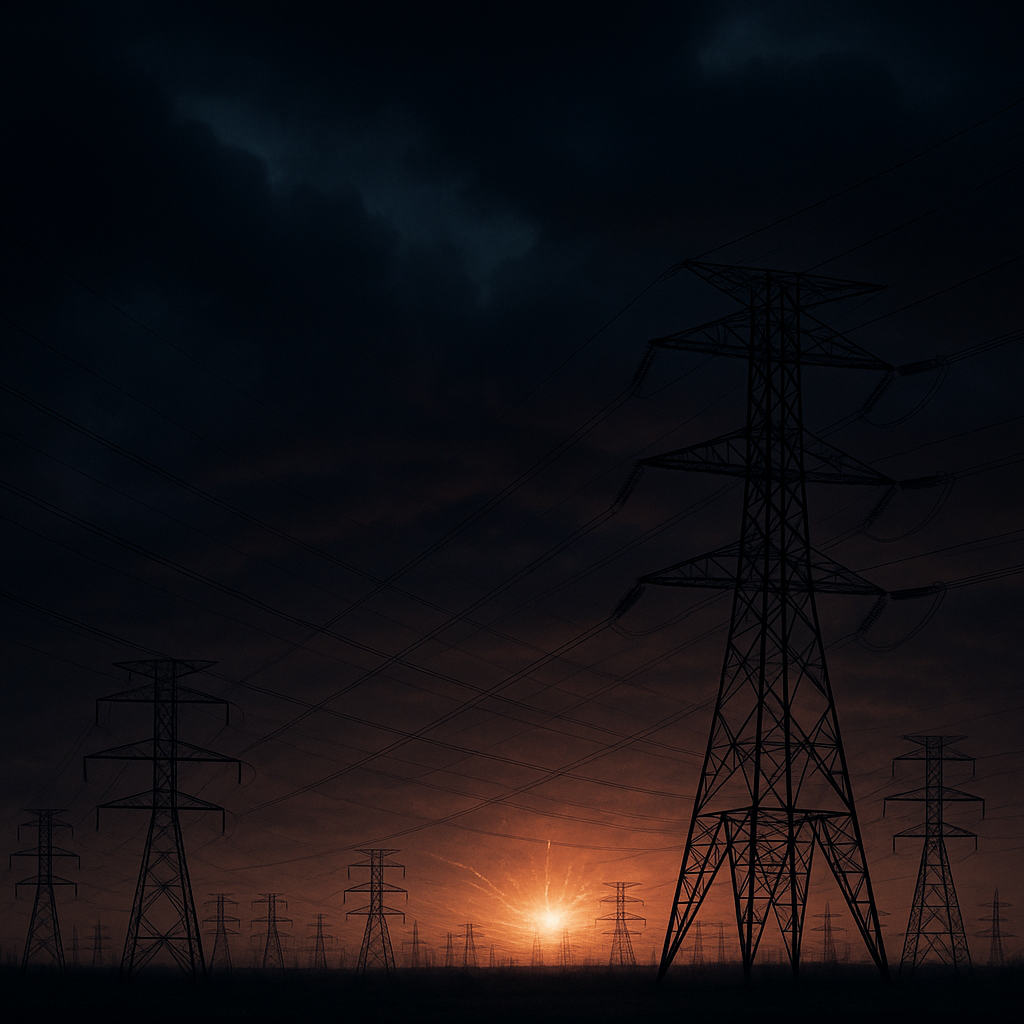
World (Times Media Service) – As the world’s reliance on electricity intensifies, experts are sounding the alarm about the stability of our worldwide power grid and the catastrophic consequences that could follow a targeted attack or a nuclear electromagnetic pulse (EMP) event.
The Importance of Grid Stability in a Modern World
Grid stability is the backbone of our modern society. It ensures that electricity flows smoothly from power plants to homes, businesses, and critical infrastructure. If the grid loses balance, blackouts can happen quickly. Hospitals, water treatment plants, and factories all depend on a steady supply of power to function safely and efficiently.
Rising Global Demand and Aging Infrastructure
Electricity demand is rising worldwide. More electric vehicles, data centers, and renewable energy sources are being added every year. However, many parts of the grid rely on equipment that is decades old. This aging infrastructure is more likely to fail under stress, making grid stability harder to maintain.
Local Attacks: A Growing Threat to Power Grid Security
Physical and cyberattacks on the grid have increased sharply. In the United States alone, physical attacks on substations jumped by 71% in just one year. These attacks can range from vandalism to sophisticated hacking attempts. A successful local attack can cut power to thousands or even millions, disrupting hospitals, water systems, and businesses. If attackers target key points, outages can spread quickly, causing cascading failures across regions.
Nuclear EMP: Catastrophic Consequences for the Grid
A nuclear EMP is a burst of electromagnetic energy from a nuclear explosion high in the atmosphere. This event can damage or destroy electronic equipment over a vast area. The greatest risk is to large transformers and control systems, which are difficult to replace. If enough equipment is destroyed, the grid could collapse, leading to blackouts that last weeks or even months. Essential services like water, food, healthcare, and emergency response would be severely impacted, putting millions at risk.
How Can We Protect the Power Grid?
Experts recommend urgent action to strengthen grid stability. Upgrading old equipment, building smarter grids, and adding backup systems like batteries and microgrids are key steps. Improving both physical and cyber security at substations is essential. Training operators to respond quickly to attacks or failures can help limit damage. Investing in new technologies to detect and stop threats before they cause major outages is also critical.
Why Grid Stability Matters for Everyone
A secure and stable power grid is vital for national security, economic prosperity, and daily life. Without it, everything from emergency services to basic comforts is at risk. As threats grow and electricity use increases, investing in grid stability is not just wise—it is necessary for the safety and freedom of people everywhere.
Alexander Murphy / Science and Tech Writer (Times Media Service)
amurphy@timesmediaservice.com