Anti-ICE agitators clash with federal officers outside Portland facility; two arrests tied to protests, interstate detentions raise questions
Federal officers detained multiple demonstrators outside the ICE facility in South Portland on Oct. 11, 2025, after clashes between anti-ICE protesters and counter-demonstrators; two arrests were linked to the protests and later interstate transfers prompted scrutiny.
Key takeaways
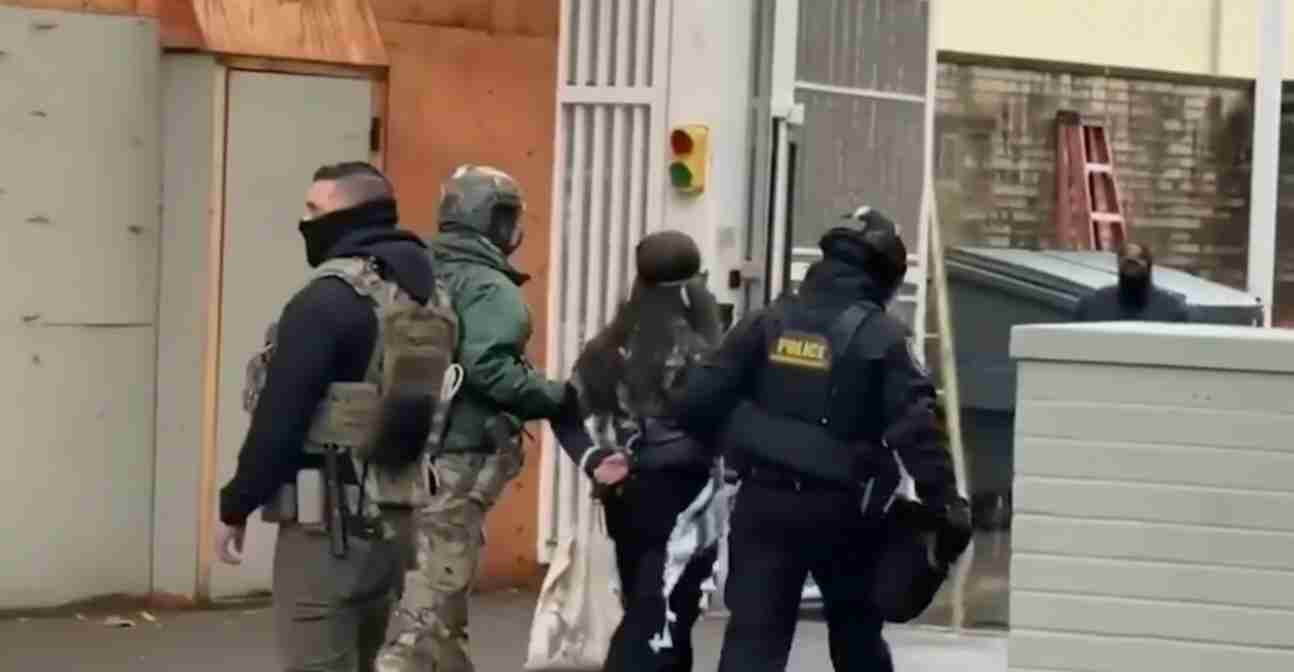
- Multiple detentions: Department of Homeland Security officers detained several people in the facility driveway; video footage documents the scene.
- Confirmed arrests: The Portland Police Bureau confirmed two arrests were connected to protests at the ICE facility, indicating local-federal coordination — reporting by Oregon Public Broadcasting.
- Interstate transfer concerns: Clark County, Washington, officials questioned why arrestees from Portland were transported to their jail and asked whether protocols were followed.
- Unclear legal basis: Officials have not publicly disclosed charges, custody agreements or the legal rationale for moving detainees across state lines.
What happened
Video shared on social platforms and aired by local outlets shows a tense scene outside the ICE facility in South Portland on the evening of Oct. 11. Demonstrators opposing Immigration and Customs Enforcement gathered along South Macadam Avenue, and counter-demonstrators were also present. The recordings show federal officers moving into the facility driveway and detaining people there. The footage indicates at least three people were detained by Department of Homeland Security officers before 7 p.m. that night — see the video footage.
Arrests, transfers and Clark County questions
Portland Police Bureau later confirmed that two arrests were linked to protests at the ICE facility. The bureau’s public comments did not provide full details about charges or identities of those arrested, but the acknowledgement suggests some level of cooperation or concurrent action by local police alongside federal personnel — reporting by Oregon Public Broadcasting.
Clark County officials said they were not initially informed about why people arrested in Portland were transported to the Clark County jail. That lack of notification raised concerns about jurisdiction, custody agreements and the legal basis for interstate detention of protest-related arrestees. Portland and federal officials have not publicly detailed the grounds for those transfers as of the latest reporting.
Law enforcement coordination and legal questions
The Oct. 11 incident illustrates the complex mix of local and federal roles in managing protests. Federal officers from the Department of Homeland Security detained individuals in the facility driveway while the Portland Police Bureau acknowledged arrests connected to the protests. What remains unclear is the scope of authority, decision-making chains and whether detainees were processed under state or federal charges.
Key legal questions: What statute or authority justified the arrests? Were detainees subject to state or federal charges? Under what conditions can an arrested person be transported across state lines?
Civil liberties advocates and legal experts often raise these questions when federal officers detain protesters. Clark County’s concerns about being used as an out-of-state holding site for Portland arrestees added scrutiny to the transfers and prompted calls for clearer disclosure from the agencies involved — see reporting by Oregon Public Broadcasting and related video footage.
Context: protests, National Guard dispute and broader tensions
The Oct. 11 clashes occurred against a backdrop of heightened activism tied to legal disputes over the deployment of the National Guard in Portland. A recent restraining order limiting Guard deployment and ongoing debates about federal intervention have contributed to increased demonstrations and a visible federal presence at protest sites. Observers say that increased federal resources around protest locations helped intensify attention and confrontation at the ICE facility.
Portland has been a focal point for sustained anti-ICE protests that draw national attention. The Oct. 11 event renewed scrutiny of how authorities balance public safety and the constitutional right to protest.
Media coverage and evidence
Local television stations, independent journalists and social media users captured footage of the clash and the arrests. The visual record circulated widely, forming the basis for reporting and public questions from officials about the arrests and the transfers. See the video footage and in-depth coverage by Oregon Public Broadcasting.
What remains unclear
Officials have not disclosed the full list of charges, the legal grounds for interstate transfers, or detailed coordination agreements between federal, state and local agencies. It is not clear whether the people detained by DHS before 7 p.m. are the same individuals Portland police later cited as arrested in connection with the protests. No severe injuries or fatalities have been reported in available coverage.
Implications for the World
Economic impact
Large protests and heavy law enforcement responses can affect local commerce when shops near protest sites close for safety. For global observers, federal resource use and the costs of interstate detention may strain municipal budgets and influence perceptions of stability for tourism and investment.
Political consequences
The clash underscores how immigration policy and protest policing resonate beyond local politics. Moves that appear to sidestep local norms — such as cross-border detention transfers — can prompt diplomatic scrutiny and feed broader debates about federal power versus local authority.
Social effects
When arrests and transfers raise transparency questions, community trust in law enforcement can erode. That can harden public attitudes, increase polarization and spur legal challenges or calls for independent oversight.
Cultural relevance
Public demonstrations remain central to democratic expression. The Portland events show cultural clashes where immigration, national security and civil rights intersect — an example international audiences may find familiar in their own contexts.
Practical applications
Lessons for authorities and organizers: Clear communication about custody decisions, advance coordination with neighboring counties or states, and public disclosure of legal rationales for interstate transfers can reduce confusion. Independent documentation and timely public reporting support fact-based accountability.